
China Top 10 Powder Metallurgy Gear Manufacturers?

Time:2026-11-19 Author:Mason
0%

China’s powder metallurgy sector serves automotive, appliance, power-tool, and industrial equipment makers. This guide examines ten manufacturers associated with Powder Metallurgy Gears, with attention to production capability, engineering support, and application fit. The goal is not to declare one supplier best for every buyer. Gear performance depends on the design, operating load, material, and production requirements.

A useful comparison looks beyond catalog photos. Buyers should ask about tooth accuracy, density consistency, material grades, sintering controls, sizing, and any finishing operations. A supplier’s ability to review drawings and discuss tolerances can matter as much as its listed equipment. Ask for relevant quality documents, sample parts, and clear details about inspection methods. Small differences count. A few microns may affect fit, noise, or wear in a compact gear assembly.

The manufacturers in this overview are presented as candidates for further evaluation, not as independently audited endorsements. Company capabilities and product ranges can change, so confirm current details directly before making sourcing decisions. Request comparable quotations and technical answers from each shortlisted supplier. A polished website is not proof of consistent production. Neither is a low price. That part is easy to forget. This list also has limits: public information may not reveal actual process controls or performance under your operating conditions. Use it as a starting point, then assess samples and documentation against your own requirements.
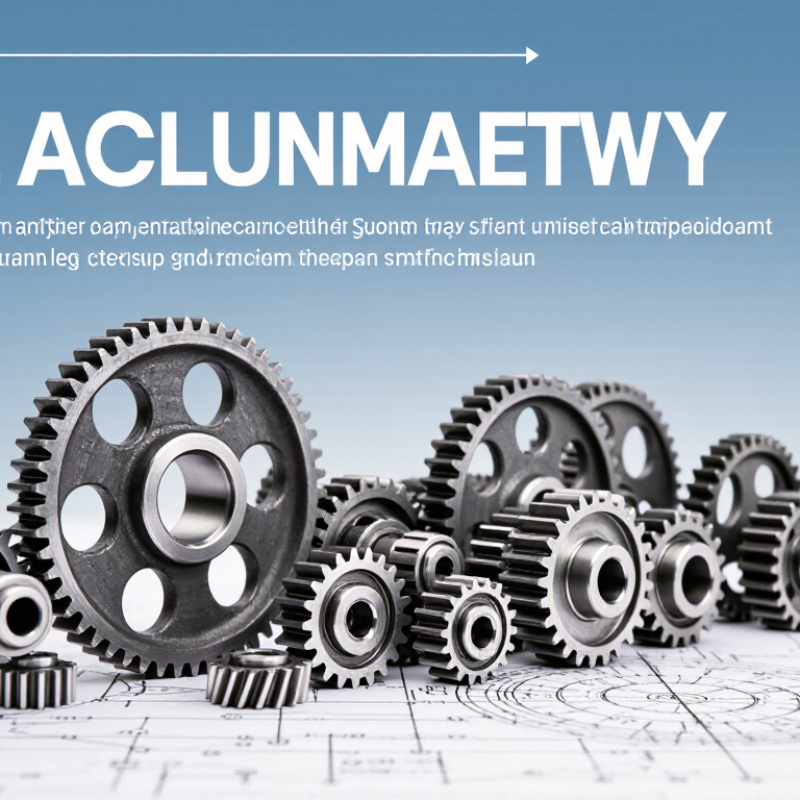
China Top 10 Powder Metallurgy Gear Manufacturers?

China’s Powder Metallurgy Gear Industry at a Glance

China’s powder metallurgy gear industry sits at the intersection of precision manufacturing and large-scale vehicle production. The China Association of Automobile Manufacturers reported 31.28 million vehicles produced in China in 2024. The International Energy Agency’s Global EV Outlook 2025 also notes that China accounted for more than 70% of global electric-car production in 2024. These figures show the scale of the potential customer base, not powder metallurgy gear shipments.

Powder metallurgy gears are valued for repeatable dimensions, efficient material use, and suitability for high-volume production. They appear in compact drives, pumps, seat mechanisms, and selected transmission or actuator assemblies.

A small tooth profile can matter. So can noise.

Manufacturers typically control powder composition, compaction pressure, sintering temperature, and finishing steps to meet strength and tolerance requirements. The process is not automatically cheaper; tooling, post-processing, and inspection can change the economics.

Public reports do not provide a consistent, China-only count of powder metallurgy gear output or market share.

That gap deserves attention.

Vehicle production data should not be treated as a direct measure of gear demand, especially as electric drivetrains change component layouts. For buyers, useful comparisons include density, tooth accuracy, fatigue performance, batch consistency, and total machining requirements. A polished sample is not enough. Production records matter.

How to Evaluate Powder Metallurgy Gear Manufacturers

Choosing a powder metallurgy gear manufacturer takes more than comparing quoted prices. Ask how the team controls powder composition, compaction pressure, sintering temperature, and post-processing. Small changes matter. Request tolerance data for bore size, tooth profile, runout, and hardness across several production lots. A sample part may look excellent, but repeatability protects assembly performance. Check whether inspection records link each batch to its material and process settings.

Discuss the gear’s actual duty: torque, speed, noise limits, lubrication, and expected operating cycles. Ask for test methods and results, not just claims about strength. Real conditions differ. Review how the manufacturer handles porosity variation, dimensional drift, and corrective actions. A capable team should explain where powder metallurgy fits—and where another process might work better. That answer may be less tidy than a sales pitch.

When feasible, observe calibration, cleanliness, and operator checks on the production floor. Compare lead times, tooling terms, and engineering-change capacity, too. An audit cannot reveal everything: specifications may be incomplete, and buyers can overlook their own load assumptions. A measured pilot run can expose gaps before full production.

Ten Notable Powder Metallurgy Gear Manufacturers in China

Ten Notable Powder Metallurgy Gear Manufacturers in China should be assessed by process control, engineering depth, and production consistency—not name recognition alone. Powder metallurgy forms gears by compacting metal powder and sintering it, often reducing machining and material waste. Grand View Research estimated the global powder metallurgy market at about US$2.9 billion in 2023 and projected 7.2% annual growth from 2024 to 2030. This is global market context, not a China-only gear sales figure.

For a useful comparison, examine whether manufacturers can provide gear drawings, dimensional inspection records, material specifications, and batch traceability. Ask about tooth accuracy, density uniformity, hardness, and noise testing. These details matter in compact drives, where a small variation in tooth profile can affect smoothness and service life. Capacity also matters: a supplier suited to prototypes may not maintain stable tolerances across large production runs. Ten candidates should be compared against the same application and inspection requirements.

A ranking can still mislead. Public information may not reveal actual defect rates, process stability, or delivery performance, and “high precision” means little without a stated measurement method. Request sample parts and inspection data before drawing conclusions. Check the limits, too. Sintered gears can suit many applications, but some designs may need secondary sizing or machining to meet tighter tolerances.

Comparing Manufacturers by Products, Processes, and Capabilities

China Top 10 Powder Metallurgy Gear Manufacturers?
Comparing Manufacturers by Products, Processes, and Capabilities

A useful comparison starts with the gear itself, not a supplier’s sales claims. Check whether manufacturers produce spur, helical, or custom-shaped gears, and ask about practical limits on diameter, tooth geometry, and annual volume. A small pump gear and a high-load transmission gear do not share the same requirements. Details matter.

Process capability can affect strength, noise, and consistency. Ask how powder selection, compaction, sintering, sizing, and any secondary machining are controlled. Request sample inspection data for tooth dimensions, density, and hardness. A supplier should explain which measurements are taken during production and which are checked only at final inspection. That gap matters.

Compare equipment, engineering support, and quality records alongside price. Can the team review a drawing, recommend design adjustments, and provide traceable batch documentation? Ask how it handles tooling changes and repeat orders; a promising sample is not proof of stable production. A polished catalog can still leave questions. This comparison is useful, but not perfect: capabilities vary by gear design, material, and production scale, so verify each claim against the specific part you need.

How to Select a Manufacturer for Your Gear Application

Choosing a powder metallurgy gear manufacturer starts with the duty cycle, not a sales catalogue. Define torque, speed, shock loads, operating temperature, lubrication, and target service life. Then compare these needs with the proposed material, density, tooth accuracy, and heat-treatment route. Small details matter. A gear running quietly on a test bench may behave differently under repeated load or poor lubrication.

MarketsandMarkets estimated the global powder metallurgy market at about USD 7.7 billion in 2023, with a forecast of USD 10.6 billion by 2028. This broad market figure is not specific to gears, but it signals a mature, competitive supply base. Ask manufacturers for capability data tied to your application: dimensional inspection results, density consistency, fatigue or wear testing, and process-control records. Request prototype gears and test them under representative loads. A polished sample can still hide variation between production batches.

Tips: Share a clear drawing and annual-volume estimate. Ask how tooling costs, tolerances, and inspection plans change with volume. Check material documentation against MPIF Standard 35, and confirm who owns corrective actions when parts fall outside specification. Be cautious of promises without test evidence.

FAQS

What are powder metallurgy gears used for?

They appear in compact drives, pumps, seat mechanisms, and selected actuator assemblies. Small tooth details can affect noise and smoothness.

Why do manufacturers use powder metallurgy for gears?

It can support repeatable dimensions, efficient material use, and high-volume production. It is not always cheaper.

Does China’s vehicle output show powder metallurgy gear demand?

No. China produced 31.28 million vehicles in 2024, but that figure does not measure gear shipments or demand.

What manufacturing details should buyers ask about?

Ask about powder composition, compaction pressure, sintering temperature, and finishing steps. Small changes matter.

Which inspection records are useful?

Request measurements for bore size, tooth profile, runout, and hardness across several production lots. One polished sample is not enough.

What application details should buyers share?

Explain torque, speed, noise limits, lubrication, and expected operating cycles. Vague load assumptions can cause trouble.

How can buyers assess a supplier’s consistency?

Review batch traceability, test methods, and corrective actions. A measured pilot run can reveal gaps, though it cannot prove everything.

Are powder metallurgy gears suitable for every design?

No. Some applications need secondary sizing or machining for tighter tolerances. The best process depends on the actual requirements.

Conclusion

This article offers a practical overview of China’s powder metallurgy gear industry, explaining how these components are produced and where they are commonly used. It outlines key factors for evaluating manufacturers, including material selection, manufacturing processes, dimensional accuracy, quality control, production capacity, customization, and technical support. The goal is to help readers understand what distinguishes capable suppliers without relying on brand rankings alone.

The article also presents ten notable manufacturer profiles and compares their products, processes, and capabilities to show how supplier strengths can vary. It concludes with guidance for matching a manufacturer to a specific gear application, taking account of performance requirements, operating conditions, order volume, budget, and delivery expectations. By considering these criteria together, buyers can make a more informed choice when sourcing Powder Metallurgy Gears.

Mason

Mason

Mason is a seasoned marketing professional with a deep expertise in the company's offerings and a passion for driving brand awareness. With a strong background in digital marketing strategies, he has an innate ability to connect with diverse audiences and effectively communicate product benefits.......