
Top 10 Powder Metallurgy Components Manufacturers?

Time:2026-11-19 Author:Ethan
0%

Powder Metallurgy Components are used in automotive systems, power tools, appliances, and industrial equipment. Their appeal is practical: manufacturers can produce repeatable shapes with less material waste than some machining routes. But performance depends on more than the forming process. Powder selection, compaction pressure, sintering conditions, and finishing can all affect density, strength, and dimensional accuracy. Small details matter.

This guide introduces ten manufacturers associated with powder metallurgy components and outlines the capabilities buyers may want to compare. A ranked list can offer a useful starting point, but it cannot capture every project’s requirements. No ranking is perfect. A supplier suited to high-volume automotive gears may not fit a low-volume, custom design. Buyers should review each company’s published process range, material options, quality systems, production capacity, and experience with similar parts. Ask about tolerances, testing methods, secondary operations, and how design changes are managed. These checks help distinguish a strong technical match from a familiar name.

The manufacturers featured here should be viewed as candidates for further evaluation, not as an endorsement or guarantee of results. Company capabilities and product offerings can change, so confirm details directly before making a sourcing decision. A careful comparison takes time. It is worth it.
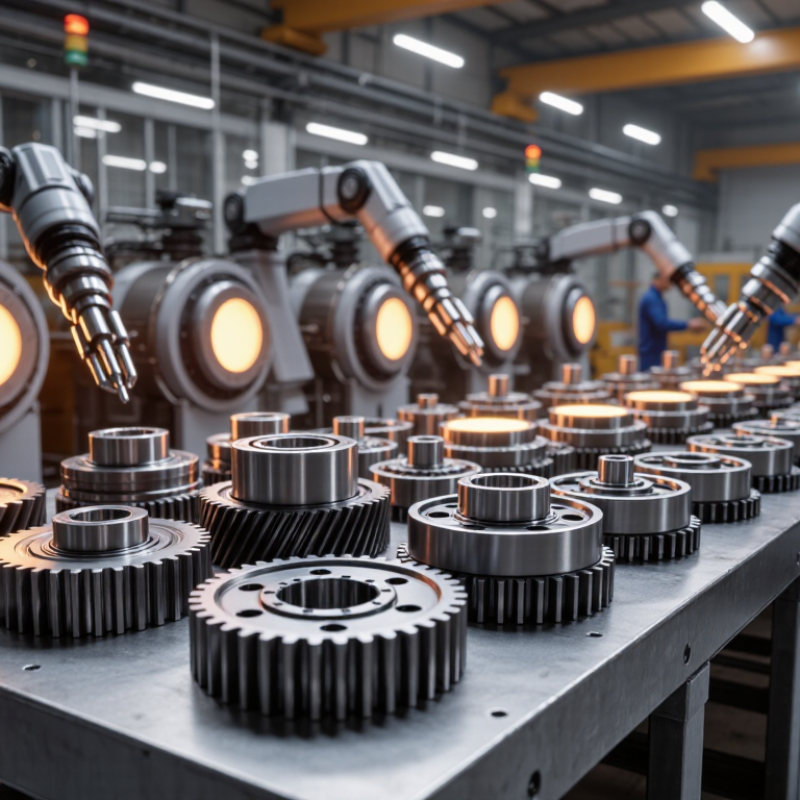
Top 10 Powder Metallurgy Components Manufacturers?

What Powder Metallurgy Components Are and How They Are Made

Powder metallurgy components are parts shaped from metal powders rather than cut from solid stock. Common examples include gears, sprockets, bushings, and structural components. Their appeal is practical: complex shapes can be produced in high volumes, often with little machining.

Production starts with a controlled powder blend. Iron, copper, or stainless-steel powders may be mixed with alloying elements and a small amount of lubricant. A press then compacts the blend inside a precision die, forming a fragile “green” part. Heat bonds the particles in a furnace below the main metal’s melting point. This step is called sintering. Some parts receive sizing, machining, or heat treatment afterward. Details matter: powder size, pressing pressure, and furnace atmosphere can all affect strength and dimensions.

The Metal Powder Industries Federation’s technical guidance notes that powder metallurgy can achieve material utilization approaching 97%, though actual results depend on the part and process. That is efficient, not automatic. A poorly designed component may still need extra machining. Grand View Research’s 2023 industry report valued the global powder metallurgy market at about US$2.4 billion in 2022, reflecting broad use across manufacturing. Market size does not tell us whether every application is a good fit. That judgment takes testing.

Criteria for Evaluating Powder Metallurgy Component Manufacturers

Choosing a powder metallurgy component manufacturer starts with process capability, not a polished catalogue. Ask how the supplier controls powder composition, particle size, compaction pressure, and sintering temperature. These variables affect density, strength, and dimensional consistency. Details matter. Request sample inspection data, including measurements from critical features such as bore diameter, flatness, and tooth profile. Check whether the supplier can explain variation between lots, rather than only showing a single successful part.

Evaluate quality controls across the full production route. Reliable manufacturers document material batches, furnace conditions, inspection results, and any secondary machining or heat treatment. Ask what happens when a part falls outside tolerance, and how corrective actions are verified. Test the parts. For demanding applications, confirm that testing matches real service conditions, such as repeated loading, wear, or exposure to heat. Production capacity and lead time also matter, but low quoted cost can hide extra inspection, tooling, or finishing expenses. A site visit may reveal practical details that a capability sheet misses. Still, one visit is only a snapshot; compare records over time and speak with technical staff who understand the component’s function.

Profiles of 10 Leading Powder Metallurgy Component Manufacturers

Grand View Research’s Powder Metallurgy Market report estimated the global market at about US$2.9 billion in 2023. It projects a 7.2% compound annual growth rate from 2024 to 2030. These figures describe market revenue, not a verified ranking of individual manufacturers. That distinction matters.

A name-free look at ten leading manufacturer profiles reveals different strengths. One focuses on automotive gears; another makes structural hubs. A third produces soft-magnetic cores, while a fourth specializes in stainless-steel parts. A fifth uses powder forging for connecting rods. A sixth targets miniature, close-tolerance components. A seventh supplies porous filters. An eighth makes wear-resistant cutting inserts. A ninth combines pressing with secondary machining. A tenth develops application-specific parts with customer input.

Compare more than advertised capacity. Ask about dimensional tolerances, tooling life, material traceability, and the machining needed after pressing. A gear may look consistent on a drawing, yet density variation can affect noise and wear. This comparison is imperfect: broad process labels hide differences in scrap rates and inspection methods. Review sample-part data and production controls before judging a supplier’s fit.

How the Top Manufacturers Compare by Process and Industry

A useful comparison of powder metallurgy manufacturers starts with process fit, not a ranked name. Press-and-sinter suits repeatable, high-volume parts such as small gears and structural components. Metal injection molding handles tiny, intricate shapes, but tooling and debinding add cost and control steps. Hot isostatic pressing can reduce internal porosity in demanding parts. Metal-powder additive manufacturing supports complex, lower-volume designs, though build time and finishing can limit throughput.

The market signals why these differences matter. Grand View Research estimated the global powder metallurgy market at USD 2.9 billion in 2023 and projected an 11.4% compound annual growth rate through 2030. Its report points to expanding demand, but a market forecast cannot show which supplier will meet a specific tolerance or delivery schedule. The Wohlers Report 2024 valued the broader additive manufacturing industry at USD 20.0 billion in 2023; that figure includes more than metal-powder production. Different scope, different meaning.

For automotive programs, compare tool life, dimensional consistency, and annual capacity. For medical or aerospace work, ask how the manufacturer verifies density, surface finish, and lot traceability. Request sample inspection data, not just a process brochure. Small details matter. A supplier may offer several processes, yet lack equal depth in each. The comparison is imperfect, especially when public reports group unlike technologies together.

Emerging Trends in Powder Metallurgy Component Manufacturing

Powder metallurgy component manufacturing is moving toward connected production, hybrid processes, and closer material control. Press sensors can track force, temperature, and cycle variation as parts form. That matters. Small shifts in compaction may affect density, dimensions, or later machining needs. Some manufacturers combine pressing and sintering with additive methods for complex features or faster tooling changes. These options can expand design possibilities, but they do not automatically reduce costs. Change is measurable, though interpreting the data still takes experience.

Tips: Ask suppliers how they verify powder consistency, part density, and dimensional repeatability. Request sample inspection records and discuss how process changes are approved. A dashboard alone is not proof of stable production.

Automation and simulation are helping teams spot process variation earlier. Better models can guide die design and reduce trial runs, yet real shop-floor results may differ from predictions. Material batches, tool wear, and operator adjustments still matter. Digital records are useful only when measurements are reliable and teams review them regularly. There is room for improvement: smaller manufacturers may lack the time or equipment to capture every useful data point. A practical trend is gradual adoption, starting with a few critical checks rather than trying to digitize everything at once.

FAQS

What are powder metallurgy components?

They are parts made by shaping metal powders instead of cutting them from solid stock. Gears, bushings, and sprockets are common examples.

How are these components made?

Metal powders are blended, pressed inside a die, and heated below the metal’s melting point. The heating step bonds the particles. It is called sintering.

What does a green part mean?

It is the fragile shape formed after pressing, before sintering. Handle it carefully.

What affects the strength and dimensions of a part?

Powder size, pressing pressure, and furnace conditions all matter. Small process shifts can change density or dimensions.

Do powder metallurgy parts always need extra machining?

No. Many need little machining, but some require sizing, finishing, or heat treatment. A complex design can still need extra work.

How should buyers assess a manufacturer’s quality controls?

Ask for batch records, furnace data, and inspection results. Check measurements such as bore diameter, flatness, and tooth profile.

Why request inspection records from multiple production lots?

One successful sample shows only a snapshot. Comparing lots can reveal variation over time. One sample is not enough.

Can sensors and simulation guarantee consistent production?

No. Sensors can track force and cycle changes, while simulations can guide die design. Actual results may still differ.

What should buyers ask about newer production methods?

Ask how powder consistency, part density, and repeatable dimensions are verified. A dashboard alone proves little. Check the measurements.

Conclusion

This article introduces Powder Metallurgy Components, explaining how metal powders are shaped and processed into precise parts for a range of applications. It outlines the main criteria for evaluating manufacturers, including production capabilities, material options, quality control, engineering support, consistency, and the ability to meet different performance requirements. The profiles of ten leading manufacturers offer a structured way to understand the field without focusing on any single company.

The article also compares manufacturers by their processes and the industries they serve, highlighting how production methods can influence component design, durability, precision, and cost. Finally, it explores emerging trends such as improved process control, greater design flexibility, and more efficient use of materials. Together, these topics provide readers with a practical overview of how to assess suppliers and understand the changing landscape of powder metallurgy manufacturing.

Ethan

Ethan

Ethan is a seasoned marketing professional with a deep expertise in our company's innovative product line. With a passion for sharing knowledge and insights, he takes the lead in regularly updating our corporate blog, where he explores industry trends, product features, and effective marketing......