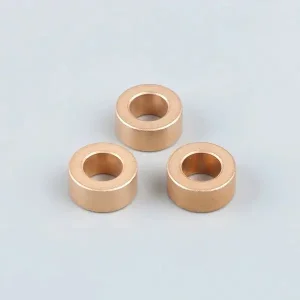
Featured Precision Molded Components & Tooling
Explore our high-precision OEM products across powder metallurgy, titanium MIM, aluminum die casting, and custom metal injection molding.





Executive Technical Whitepaper: The Evolution of China’s Aluminum Mold & High-Precision Tooling Ecosystem
An engineering analysis of modern aluminum tooling, metal injection molding (MIM), powder metallurgy (PM), and high-pressure die casting (HPDC) manufacturing paradigms.
In modern industrial engineering, procurement directors and hardware architects face continuous pressure to shorten development lifecycles, minimize tool fabrication costs, and enhance thermal and mechanical performance. As a cornerstone of global industrial output, China’s aluminum mold suppliers and die casting factories have undergone a fundamental technological transition. Moving beyond low-cost, high-volume commodity manufacturing, top-tier Chinese manufacturing centers—particularly located in industrial hubs like Ningbo, Zhejiang—now deploy state-of-the-art Design for Manufacturability (DFM) algorithms, 5-axis high-speed CNC machining, automated thermal debinding sintering, and complex multi-cavity tooling systems.
Aluminum Molds vs. Tool Steel Molds: A Engineering Paradigm Shift
Historically, tool steel (e.g., H13, NAK80, S136) was the default medium for injection molding and die casting dies due to its high hardness and extreme wear tolerance. However, for prototype validation, bridge manufacturing, medium-volume runs, and lightweight part forming, aluminum tooling has emerged as a superior economic and technical solution. The high thermal diffusivity of specialized aluminum grades ensures rapid heat extraction during part cooling—which typically constitutes 60% to 70% of the entire molding cycle time.
| Engineering Attribute | Specialized Aircraft Aluminum Molds (7075-T6 / QC-10) | Conventional Tool Steel Molds (H13 / P20) | Technical Impact & Operational Gain |
|---|---|---|---|
| Thermal Conductivity | 130 – 160 W/m·K | 24 – 32 W/m·K | ~5x faster heat dissipation, drastically cutting cycle time. |
| Machining & Fabrication Speed | 3x to 4x faster CNC removal rates | Baseline machining speed | Tooling lead times reduced from 8 weeks to 15–20 days. |
| Mold Weight & Handling | ~2.8 g/cm³ (Lightweight) | ~7.8 g/cm³ (Heavy) | Reduced wear on press platens, safer and faster tool setups. |
| Cycle Life Expectancy | 100,000 to 500,000 cycles | 1,000,000+ cycles | Ideal for agile production, low-to-medium volumes, and prototypes. |
| Initial Tooling Investment | 30% to 50% Lower Initial Capital Cost | High Initial Tooling Cost | Accelerates ROI and reduces upfront financial risk for OEMs. |
Integrated Manufacturing Ecosystem: Synergizing MIM, Powder Metallurgy & Die Casting
At Ningbo Jiehuang Chiyang Electronic Tech Co., Ltd. (JHMIM), tooling excellence extends beyond simple aluminum mold cutting. Modern hardware solutions often demand complex hybrid manufacturing pathways. By bridging Metal Injection Molding (MIM), Powder Metallurgy (PM), Aluminum/Zinc Die Casting, and 5-axis CNC Precision Machining, engineers can match component geometries with the exact optimal process.
- Metal Injection Molding (MIM): Combines the design freedom of plastic injection molding with the structural integrity of wrought metals. Ideal for ultra-complex parts under 100 grams, such as 17-4PH scalpels, titanium watch cases, and intricate automotive actuators.
- Powder Metallurgy (Sintered Metals): Employs high-tonnage compaction (up to 1,000 tons / 10,000 kN presses) to produce high-density spur gears, bronze sleeve bearings, timing pulleys, and structural hardware with minimal secondary machining.
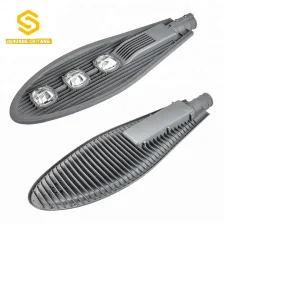
- High-Pressure & Low-Pressure Aluminum Die Casting: Designed for thin-wall, high-strength structural enclosures, LED street light housings, EV battery modules, and lightweight automotive components using ADC12, A380, and AlSi10Mg alloys.
Engineered for Rigor: Production Scale & Quality Systems
Operating out of a 28,000 m² state-of-the-art manufacturing campus in Ningbo, China, JHMIM delivers certified engineering performance to global Fortune 500 OEMs.
IATF 16949 & ISO 9001 Certification
Our quality management infrastructure guarantees automotive-grade lot traceability, advanced statistical process control (SPC), zero-defect protocols, and full PPAP documentation for global buyers.
Advanced Metrology & CMM Inspection
Equipped with imported Japanese coordinate measuring machines (CMM), optical spectrum analyzers, digital torque testers, and salt-spray corrosion chambers to verify 100% of critical dimensions.
In-House Tooling & DFM Simulation
Our 30+ senior toolmakers and R&D engineers conduct comprehensive moldflow and thermal gradient simulations before cutting metal, reducing design iterations and eliminating sink mark risks.
Macro-Industry Solutions & Global Sourcing Trends
How leading automotive, electronics, medical, and industrial enterprises leverage Chinese precision mold suppliers to gain competitive advantage.
1. Automotive Lightweighting & EV Integration
As electric vehicles demand extended battery range, weight reduction is essential. High-pressure aluminum die casting molds permit ultra-thin wall thicknesses (down to 1.2mm) while ensuring structural stiffness. Integrated cooling channels engineered directly into aluminum battery housings and motor brackets maximize thermal management efficiency.
2. Miniaturization in Consumer Wearables & Smart Devices
Modern smartwatches, AR glasses, and premium mobile electronics require micro-components with exceptional aesthetic finish and strength. Titanium Metal Injection Molding (TiMIM) and high-precision zinc die casting tools produce ultra-small bezels, hinges, and structural watch cases with post-sintering densities exceeding 98%.
3. Surgical & Medical Device Innovation
Surgical instruments, endoscopic grippers, and scalpel handles demand biocompatible materials, corrosion resistance, and zero surface porosity. MIM 17-4PH and 316L stainless steel processes bypass costly multi-axis machining, producing complex ergonomic handles in high volume with repeatable precision.
Localized Application Scenarios & Engineering Case Matrix
Practical implementation of custom aluminum molds, powder metallurgy gears, and die-cast housings across diverse operational environments.
Global Outdoor & Garden Tool Power Transmission
High-torque planetary gears and sintered bronze bearings applied in commercial lawn mowers and power tools. High-density compaction preserves tooth geometry under severe shock loads, reducing wear rates by 40% compared to traditional hobbed steel gears.
Architectural & Municipal Smart Lighting Housings
Low-pressure aluminum die casting molds designed for weatherproof, heavy-duty LED street light enclosures. High thermal dissipation prevents LED driver overheating, delivering IP67 weather resistance and extended outdoor product lifespans.
Variable Engine Timing & Automotive Lock Systems
Complex PA6T plastic injection molded parts integrated with sintered metal hardware inserts. Mass-produced under IATF 16949 control to supply automotive OEMs with zero-defect assembly guarantees.
Global Procurement Guide: Optimizing Total Cost of Ownership (TCO) in China Sourcing
When selecting a China aluminum molds supplier or die casting factory, global buyers must look beyond the initial unit quote. Total Cost of Ownership (TCO) encompasses tooling longevity, DFM risk mitigation, shipping lead times, quality assurance overhead, and intellectual property security.
- Rigorous NDA & IP Protection Protocols: Leading factories like JHMIM enforce strict internal data segregation, secure file transfer protocols, and standard NDA agreements prior to reviewing proprietary CAD/STEP drawings.
- Comprehensive 2D & 3D Drawing Evaluation: Providing 3D STEP files allows moldmakers to compute part volume, mass center, and parting line feasibility, while 2D PDF drawings establish critical tolerances (ISO 2768-m or DIN 1688 standards), surface roughness (Ra values), and heat treatment specs.
- Prototype Verification via Metal 3D Printing: To mitigate tooling modification costs, JHMIM provides in-house metal 3D printing (SLM/DMLS) to produce physical prototypes for fit-and-function testing prior to cutting final mold cavities.
- Transparent 48-Hour Quotation Frameworks: Clear breakdown of NRE tooling costs, cavity counts, steel/aluminum substrate certifications, expected cycle times, and tiered piece-price volume discounts.
Technical FAQ: Frequently Asked Sourcing & Engineering Questions
Direct answers from our senior tooling specialists and powder metallurgy engineering team.
What is the typical lifecycle of a custom aluminum die casting mold?
Depending on the alloy grade (e.g., 7075-T6 vs. QC-10) and casting temperatures, specialized aluminum tooling typically yields 100,000 to 500,000 cycles. For ultra-high volume continuous casting beyond 1 million units, we recommend hardened H13 tool steel inserts for critical wearing zones.
How fast can JHMIM complete tooling and deliver first sample parts (T1)?
Standard aluminum mold tooling and initial sample production (T1) are completed within 20 to 30 days. Rapid prototyping via metal 3D printing can be completed in as few as 5 to 7 business days for early design validation.
What are your standard Minimum Order Quantities (MOQ)?
Our operational MOQs are optimized per process: 2,000 pcs for Metal Injection Molding (MIM) parts, 2,000 pcs for Aluminum/Zinc Die Castings, 2,000 pcs for CNC machined parts, and 5,000 pcs for Powder Metallurgy (PM) sintered components.
How do you manage linear shrinkage in Metal Injection Molding (MIM)?
MIM parts undergo predictable linear shrinkage of 15% to 22% during thermal debinding and sintering. Our tooling engineers utilize specialized CAD scaling factors based on binder ratio formulations, ensuring final sintered dimensions match tight print tolerances (±0.3% to ±0.5%).
Can you sign our corporate Non-Disclosure Agreement (NDA)?
Yes. We routinely execute bilateral NDAs with international buyers before receiving sensitive engineering drawings. All digital files are stored on secure servers with restricted project team access.
What surface treatment finishes do you provide in-house or locally?
We provide comprehensive surface finishing, including anodizing (Type II & Type III Hardcoat), PVD coating, electroplating (nickel, chrome, gold), bead blasting, electropolishing, passivation, and custom heat treatment (carburizing, quenching, tempering).
Additional Custom OEM Capabilities & Products
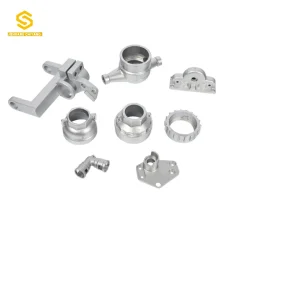
Review our specialized sintered bearings, MIM components, and low-pressure aluminum die castings.