
Explore our specialized metal injection molding, powder metallurgy, and high-pressure die casting solutions engineered for global automotive, industrial, and technology leaders.

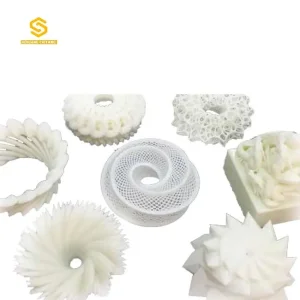





How modern Chinese die-casting ecosystems combine advanced metallurgy, automated high-pressure casting (HPDC), and cross-process Metal Injection Molding (MIM) to redefine total cost of ownership (TCO) for global original equipment manufacturers.
High-Pressure Die Casting (HPDC) Evolution
High-Pressure Die Casting (HPDC) has transformed from a basic structural formation method into a hyper-precise engineering standard capable of producing complex net-shape components with ultra-thin walls (down to 0.8mm). Modern factories in China utilize fully automated cold and hot chamber die-casting cells ranging from 160 tons to over 4,500 tons. By integrating vacuum-assisted casting technology, real-time thermal monitoring, and automated robot ladling, suppliers ensure minimal gas porosity, high internal density, and exceptional mechanical strength across aluminum (A380, ADC12, AlSi10Mg) and zinc (Zamak 3, Zamak 5) alloys.
Hybrid Synergy: Die-Casting & Powder Metallurgy (MIM/PM)
One of the single greatest structural advantages of tier-1 Chinese casting partners is the multi-disciplinary integration of Die-Casting, Metal Injection Molding (MIM), and Sintered Powder Metallurgy (PM) under one roof. When global engineering procurement teams encounter multi-component assemblies, a single process is rarely optimal. Small, geometrically intricate mechanisms (under 100g) with internal splines or undercuts benefit from MIM, whereas structural enclosures, motor housings, and heat sinks excel in die-casting. A single vendor with holistic design-for-manufacturability (DFM) expertise drastically simplifies supply chain management and lowers overall tooling risk.
The Yangtze River Delta industrial belt—headquartered in Ningbo and surrounding manufacturing hubs—offers unparalleled supply chain concentration. Understanding how raw material proximity, tooling density, and localized secondary finishing create sustainable economic advantages.
Upstream Raw Material Integration
Direct integration with primary and recycled aluminum smelters reduces alloy acquisition lead times and material price volatility. Proprietary ingot blending ensures consistent melt quality, low chemical impurities, and optimized grain structures tailored for ductile die castings and high-thermal-conductivity applications.
Tooling & Mold Design Velocity
Chinese toolmakers utilize advanced H13, Dievar, and SKD61 mold steels alongside high-speed 5-axis CNC machining centers and EDM wire cutting. Coupled with MAGMASOFT® and Flow-3D mold filling simulation software, tooling modifications and prototype mold sampling occur in days rather than months.
Secondary Operations Cluster
Within a 30-minute radius of primary casting plants lie specialized facilities for precision CNC trimming, shot blasting, ceramic tumbling, anodizing, powder coating, electroplating (e-coat), and passivation. This dense cluster eliminates domestic transport delays and ensures strict quality containment.
| Strategic Evaluation Vector | China Ecosystem (Tier-1 Die-Casting Supplier) | Western Europe / North America Domestic | Southeast Asia / Emerging Regions |
|---|---|---|---|
| Tooling Cost (T1 Die Molds) | 30% - 50% Lower | Baseline High Cost | 20% - 30% Lower |
| Mold Manufacturing Lead Time | 25 to 35 Days | 65 to 90 Days | 45 to 60 Days |
| Supply Chain Ecosystem Density | Ultra-High (Smelting, Tooling, CNC, Plating within 50km) | Fragmented / Regional Freight Dependent | Developing / High Import Dependency |
| Cross-Process Flexibility (HPDC + MIM + PM) | Fully Integrated In-House Solutions | Siloed Process Specialty Vendors | Limited MIM/PM Hybrid Capabilities |
| Annual Production Scalability | Rapid Expansion (Automated Press Cells) | Moderate / Labor Constrained | Variable / Infrastructure Constrained |
Achieving zero-defect die-cast components requires meticulous alloy selection and adherence to strict Design for Manufacturability (DFM) protocols. Review key metal specifications and geometry recommendations below.
Aluminum Alloys (HPDC)
ADC12 / A380: The primary workhorse alloys for structural integrity, offering excellent castability, high mechanical strength, and pressure tightness. Ideal for automotive engine covers, electronic housings, and gearboxes.
AlSi10Mg / Silafont-36: Low-copper, high-ductility alloys specifically formulated for structural automotive crash components, requiring post-casting thermal treatment (T6/T7) or welding.
A360: Formulated for superior corrosion resistance and fluidity, perfect for maritime hardware and fluid control valve bodies.
Zinc & Magnesium Alloys
Zamak 3 & Zamak 5 (Zinc): Ideal for high-precision, thin-walled micro components requiring extremely tight tolerances (±0.02mm), high impact strength, and pristine surface finishes suitable for electroplating or chrome painting.
AZ91D & AM60B (Magnesium): Ultra-lightweight non-ferrous options offering 33% weight reduction over aluminum while providing exceptional damping capacity and EMI/RFI shielding for handheld electronics and automotive interiors.
Design For Manufacturability (DFM) Golden Rules for Die-Casting
Maintain consistent wall sections (1.5mm–3.5mm for aluminum; 0.8mm–2.0mm for zinc) to prevent thermal sinks, shrinkage porosity, and differential cooling warping.
Provide a minimum draft angle of 1.0° to 2.0° on internal cores and 0.5° to 1.0° on outer walls to facilitate smooth part ejection without drag marks.
Avoid sharp internal corners. Incorporating generous fillets (R ≥ 1.5mm) drastically lowers die stress concentration, prolongs tool life, and improves metal flow during cavity injection.
Procuring components overseas requires bulletproof regulatory compliance, transparent quality documentation, and localized logistics buffer solutions to guarantee zero line stops for Western OEMs.
Quality Management Certifications
Certified operating systems under IATF 16949:2016 (Automotive Quality System) and ISO 9001:2015. Full PPAP (Production Part Approval Process) Level 3 documentation, including IMDS registration, Control Plans, PFMEA, and Gauge R&R studies provided prior to mass production clearance.
Environmental & Chemical Compliance
Strict adherence to global chemical standards including EU RoHS 3 (Directive 2015/863), REACH SVHC, and Conflict Mineral Reporting (CMRT). Heavy metal spectroscopic testing (XRF analysis) is conducted on every ingot batch to guarantee zero contamination.
Local Warehousing & Buffer Stock
To eliminate geopolitical and shipping container bottleneck risks, leading Chinese suppliers partner with global logistics hubs in North America and Europe to offer Vendor-Managed Inventory (VMI), consignment stock, and 30-day safety stock buffers delivered directly under DDP terms.
Discover how advanced pressure die casting and MIM components solve critical engineering challenges across diverse high-tech manufacturing sectors.
Automotive & Electric Vehicles (EV)
Die-cast aluminum electric drive motor housings, battery management system (BMS) enclosures, inverter heat sinks, steering knuckle brackets, and MIM stainless steel door latch mechanisms. Demands high pressure tightness and structural crash safety.
5G & Industrial AI Hardware
Ultra-thin aluminum base station radiator heat sinks, optical transceiver shells, and server cooling distribution blocks. Engineered for maximum thermal dissipation coefficient (150-180 W/m·K) and low RF impedance.
Medical Instruments & Surgical Robotics
Precision MIM 17-4PH and 316L endoscopic surgical claw jaws, titanium biopsy tools, and die-cast zinc chassis for portable diagnostic monitors. Requires biocompatibility, high surface smoothness, and autoclavable corrosion resistance.
Consumer Electronics & Smart Devices
Complex foldable smartphone hinges produced via high-strength MIM titanium, laptop chassis frames, camera rings, and smart lock deadbolt mechanisms. Focuses on cosmetic perfection, anodized aesthetics, and high tactile strength.
Industrial Hydraulics & Power Tools
Heavy-duty sintered powder metallurgy planetary gears, hydraulic pump end plates, pneumatic cylinder bodies, and die-cast aluminum power tool gearbox housings capable of enduring extreme cyclic vibration and high mechanical wear.
The global die-casting industry is undergoing rapid technical evolution. Here are the four primary technological pillars driving the next decade of manufacturing excellence in China.
1. Gigacasting / Integrated Structural Castings
Driven by the electric vehicle revolution, ultra-large die-casting presses (6,000T to 12,000T) consolidate dozens of stamped sheet metal parts into single integrated underbody castings. This drastically reduces vehicle weight, eliminates hundreds of robotic weld joints, and simplifies vehicle assembly lines.
2. Advanced Vacuum-Assisted Casting (High Vacuum)
By pulling mold cavity pressure down below 30 mbar prior to shot injection, gas entrapment is virtually eliminated. This enables structural die-cast aluminum parts to undergo traditional T6 heat treatment and welding without surface blistering, achieving yield strengths exceeding 180 MPa.
3. AI-Driven Real-Time Quality Control & Digital Twins
Integration of IoT sensors across shot sleeves, hydraulic tie bars, and mold thermal cameras feeds real-time data into AI algorithms. Automatic parameter adjustments prevent flash, cold shuts, and porosity defects before parts leave the die cell, coupled with 100% automated inline X-ray inspection.
4. Sustainable Green Alloys & Low-Carbon Circularity
Transitioning toward 100% recycled primary-grade aluminum ingots produced via renewable hydroelectric power reduces the embedded carbon footprint per kilogram of die-cast metal by up to 70%, aligning directly with European Scope 3 carbon neutrality mandates.
Detailed answers to technical, commercial, and quality questions frequently raised by overseas procurement managers and design engineers.
Browse our complete range of powder metallurgy gears, die-cast assemblies, MIM components, and custom-engineered mechanical solutions.

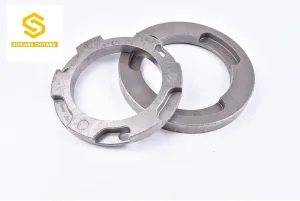

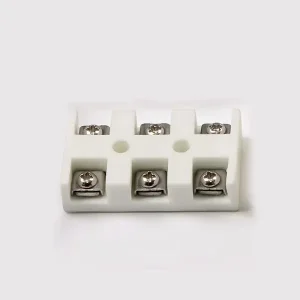



Accelerate Your Project with DFM Engineering Support
Send us your 2D PDF drawings and 3D STEP/IGES CAD models today. Our senior metallurgy and die-casting mold engineers will deliver a comprehensive manufacturability report (DFM) and a transparent quotation within 48 hours.
Request Instant Engineering Quotation →