
Featured Precision Metal Components Showcase (Batch A)
ISO 9001 / IATF 16949 Certified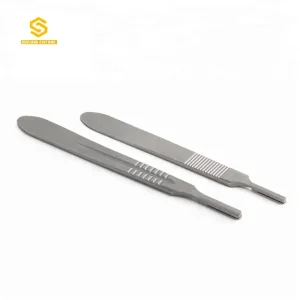
China Cheap Price Custom OEM MIM Metal Titanium Insert Fold Injection Molding Parts Supplier
View Specifications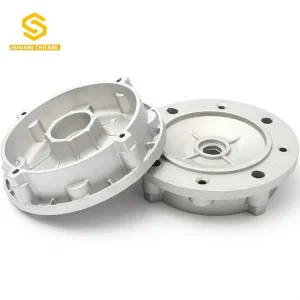
Die Casting Zinc Alloy & Aluminum Alloy Precision Electroplated Nickel Castings
View Specifications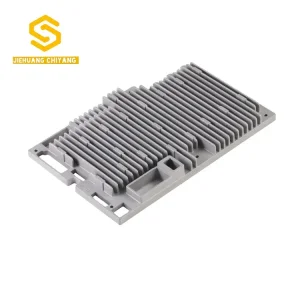
China Rapid Delivery Custom Stainless Steel Die Casting Parts Metal Work
View Specifications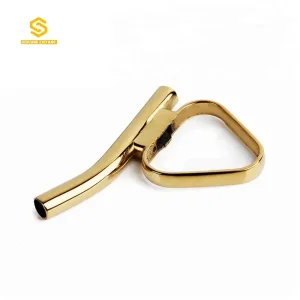
China Metal MIM Precision Parts for Earphone & Wearable Components
View Specifications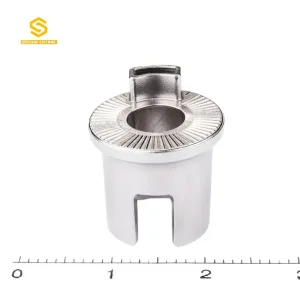
High Precision OEM/ODM Powder Injection Molding Micro Engineering Components
View Specifications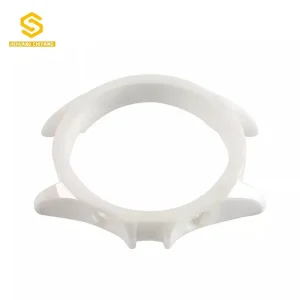
Customized Ceramic Injection Molding Watch Case for High-End Accessories
View Specifications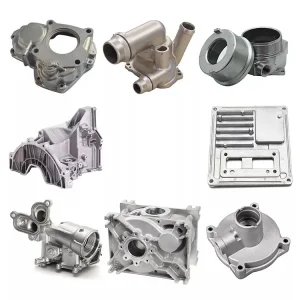
Custom Metal Brass & Zinc Die Casting Mould Parts Anodized Aluminum Components
View Specifications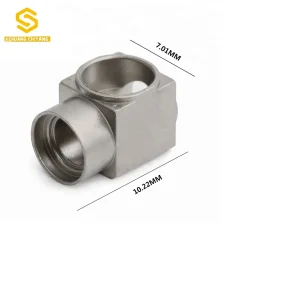
High Precision Custom Small Metal Structural Parts via MIM Process
View SpecificationsExecutive Overview: The Structural Transformation of Contemporary Chinese Die Casting & Powder Metallurgy
The global manufacturing footprint for precision metal components has underwent a paradigm shift over the last decade. Historically recognized primarily as a hub for high-volume, cost-optimized die casting, China’s contemporary diecast manufacturers and suppliers have evolved into advanced cyber-physical engineering facilities. Integrating high-pressure die casting (HPDC), metal injection molding (MIM), sintered powder metallurgy (PM), and multi-axis CNC finishing, contemporary Chinese suppliers now deliver aerospace- and medical-grade precision metal geometries to global Tier-1 OEMs across North America, Europe, and Asia-Pacific.
Modern industrial buyers face growing friction: rising assembly complexity, aggressive light-weighting requirements in Electric Vehicles (EVs), strict thermal dissipation demands in 5G micro-infrastructure, and miniaturization limits of traditional CNC subtraction. Contemporary Chinese manufacturing ecosystems, led by innovative technology providers such as Ningbo Jiehuang Chiyang Electronic Tech Co., Ltd. (JHMIM), address these frictions through net-shape forming methodologies that eliminate secondary machining operations while dramatically lowering Total Cost of Ownership (TCO).
Global Industrial Landscape: Supply Chain Resilience & Technical Convergence
Economic Efficiency & Material Yield
Traditional CNC subtractive machining wastes between 40% to 75% of raw alloy stock when generating intricate geometries. Contemporary Chinese metal forming technologies—specifically MIM and precision die casting—achieve material utilization rates exceeding 95% to 98%. This near-net-shape capability insulates buyers from volatile raw material spot prices for nickel, titanium, and copper.
Process Convergence Dynamics
Single-process foundries are quickly becoming obsolete. Contemporary Chinese manufacturers combine cold-chamber die casting, vacuum-assisted aluminum high-pressure die casting, gas/water-atomized powder injection molding, and ceramic injection molding (CIM) under one unified roof. This multi-disciplinary infrastructure enables engineers to select the optimal route based on part mass, wall thickness, and mechanical loads.
ESG & Decarbonized Metallurgy
With stringent global scope 1-3 carbon tracking regulations (e.g., EU CBAM), contemporary suppliers in Ningbo and Shenzhen are integrating closed-loop alloy recycling, solar-assisted electric sintering furnaces, and eco-friendly catalytic solvent debinding systems to slash embedded manufacturing carbon footprints by up to 38%.
Deep Engineering Analysis: Benchmarking Forming Technologies
Selecting the appropriate manufacturing technology requires balancing unit cost, tooling investment, dimensional tolerance, and structural performance. Below is a comprehensive engineering decision matrix published by JHMIM senior metallurgists.
| Manufacturing Process | Optimal Part Mass | Min Wall Thickness | Dimensional Tolerance | Density (% of Theoretical) | Recommended Annual Volume |
|---|---|---|---|---|---|
| Metal Injection Molding (MIM) | 0.1g - 100g (Max 286g) | 0.30 mm | ±0.03 mm to ±0.05 mm | 96.5% - 99.2% | 2,000 to > 1,000,000 pcs |
| High-Pressure Aluminum Die Casting | 50g - 15,000g | 1.20 mm | ±0.05 mm to ±0.15 mm | 92.0% - 95.0% (Cast) | 2,000 to > 500,000 pcs |
| Zinc Alloy Precision Die Casting | 5g - 2,500g | 0.60 mm | ±0.02 mm to ±0.08 mm | 98.0% - 99.5% (Cast) | 5,000 to > 1,000,000 pcs |
| Press & Sinter Powder Metallurgy (PM) | 5g - 1,500g | 1.50 mm | ±0.04 mm to ±0.10 mm | 85.0% - 92.0% (Porosity Control) | 5,000 to > 500,000 pcs |
| Multi-Axis CNC Machining (Bar Stock) | 1g - 50,000g | 0.50 mm | ±0.005 mm to ±0.02 mm | 100% (Wrought) | 1 to 2,000 pcs (Low Volume) |
Metals & Alloy System Metallurgy
- Austenitic & Martensitic Stainless Steels: 316L, 17-4PH, 420, 440C for extreme corrosion resistance and wear hardness up to 52 HRC after heat treatment.
- Titanium Alloys (TiMIM): Ti-6Al-4V (Grade 5) and Commercially Pure Titanium for biomedical implants and aerospace weight reduction.
- Structural Powders & Bronze: Sintered iron-nickel (Fe-Ni-C), sintered bronze bushes for oil-impregnated self-lubricating bearings.
- Cast Aluminum & Zinc Formulations: ADC12, A380, Zamak 3, Zamak 5 offering high fluid flow for complex heat sink fins and thin-wall electronic enclosures.
Rheological & Thermodynamic Simulation
Before cutting high-grade tool steel (H13, NAK80), contemporary Chinese suppliers deploy advanced mold flow and thermal equilibrium software (e.g., MAGMA, Moldex3D). Simulation models detect potential void formation, weld line locations, thermal stress cracking, and anisotropic shrinkage during the sintering phase. This digital-twin approach guarantees first-article inspection (FAI) approval rates exceeding 99%.
Sector-Specific Industrial Applications & Real-World Use Cases
China’s contemporary diecast and MIM manufacturers serve critical component requirements across four dominant global technology sectors:
Automotive & EV Power
IATF 16949 certified components including Variable Valve Timing (VVT) rotors, electric steering lock cams, turbocharger vanes, and high-pressure aluminum battery housing modules.
Medical & Surgical Tools
Biocompatible 17-4PH and Ti-6Al-4V endoscopic grasper jaws, surgical stapler hinges, dental tool heads, and lightweight titanium scalpel handles demanding 100% surface integrity.
Consumer Electronics
Ultra-compact foldable smartphone display hinges, smartwatch ceramic/metal bezels, micro earphone acoustic housings, and electroplated nickel structural brackets.
Industrial Hardware & Power
High-torque planetary gearsets, window actuation gearboxes, sintered bronze self-lubricating bushes, and corrosion-resistant stainless steel mini ball valve assemblies.
Localization Support, Quality Metrology & International Compliance
Multi-Tier Quality Control Framework
To satisfy stringent European and North American quality audits, top-tier Chinese manufacturers operate ISO 9001 and IATF 16949 certified quality management systems. Quality control is enforced across every physical touchpoint:
- Raw Material Validation: ICP-OES chemical analysis and gas-pycnometer powder density checks prior to compounding.
- In-Process Control (IPQC): Real-time automated optical inspection (AOI) during green part molding and casting injection.
- Metrology Suite: ZEISS 3D Coordinate Measuring Machines (CMM), Keyence laser profile meters, and X-ray computed tomography (CT) for non-destructive internal porosity analysis.
- Traceability: Full lot-level MES tracking with material certifications, hardness charts, and salt-spray corrosion reports attached to every shipment.
Seamless Global OEM Localization Support
Transitioning production to China requires robust localized project governance. Contemporary suppliers eliminate traditional overseas sourcing risks through tailored service protocols:
- Non-Disclosure Agreement (NDA) Guarantees: Strict intellectual property protection enforced under local and international jurisdiction prior to CAD disclosure.
- Free DFM Engineering Review: Detailed Design for Manufacturability feedback within 24–48 hours, highlighting draft angles, radii optimization, and wall thickness uniformity.
- Rapid Prototyping Options: Direct Metal Laser Sintering (DMLS) 3D printing for functional prototypes before committing to hard production tooling.
- Flexible Incoterms & Door-to-Door Logistics: Complete support for DDP, FOB Ningbo/Shanghai, CIF, and air/ocean freight consolidation with transparent customs handling.
Technology Roadmap: China's Next Decade of Precision Metallurgy (2025–2035)
The future of contemporary die casting and powder metallurgy lies in smart automation, micro-alloying innovation, and hybrid manufacturing platforms.
Implementation of real-time cavity pressure sensors linked with neural-network feedback loops to adjust die injection velocity and thermal cooling in micro-seconds, driving scrap rates down below 0.1%.
Scaling tool-less Binder Jetting (BJT) additive manufacturing alongside high-capacity continuous sintering furnaces. This allows zero-tooling cost production for medium-volume runs while maintaining MIM-level material density.
Commercialization of nanostructure-enhanced aluminum alloys and titanium-matrix composites offering tensile strengths exceeding 750 MPa while reducing net component weight by an additional 25%.
Featured Precision Metal Components Showcase (Batch B)
Custom OEM/ODM Manufacturing
China Custom Precision High Pressure Die Casting Aluminum Alloy Structural Parts
View Specifications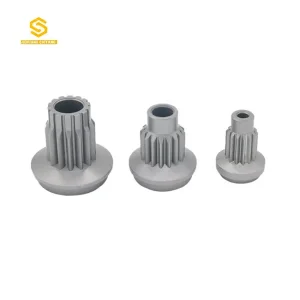
Customized Powder Metallurgy Stainless Steel MIM Window Gear & Drive Components
View Specifications
Sintered Bronze Bush PM Copper Powdered Metallurgy Bearings & Metal Gears
View Specifications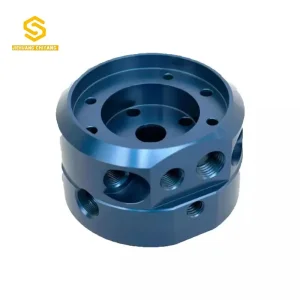
Precision Aluminium Alloy Die Casting with Post CNC Machining Finishing
View Specifications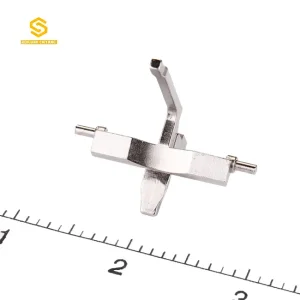
High Density Low-Alloy Steel & Titanium MIM Electronic Hardware Components
View Specifications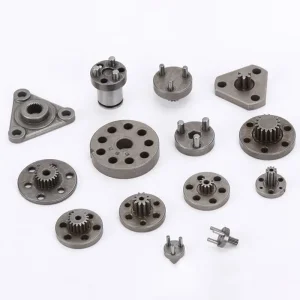
Gas and Water Atomized Metal Injection Moulding Powders (MIM Feedstock)
View Specifications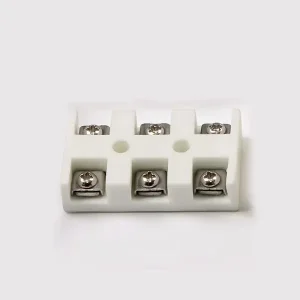
Wholesale High Temperature Porcelain Ceramic Terminal Block Connectors
View Specifications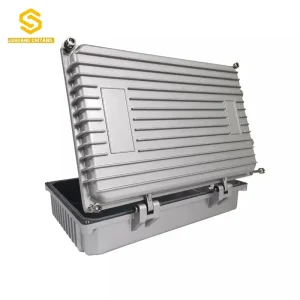
China OEM Precision Aluminium Pressure Die Casting Enclosure Housing
View SpecificationsFrequently Asked Questions: Technical Procurement & DFM Verification
Direct answers to crucial technical inquiries encountered during OEM supplier evaluation.
What parameters dictate whether a component should be produced via MIM vs. Die Casting?
The primary decision parameters are part mass, alloy requirements, and operating stress. Metal Injection Molding (MIM) is optimal for small, highly complex geometries weighing under 100 grams (up to 286g max at JHMIM) requiring steel, stainless steel, or titanium strength. Die casting is preferred for larger lightweight aluminum or zinc housing components exceeding 50 grams where high thermal conductivity and thin-wall enclosures are required.
How do Chinese manufacturers control volumetric shrinkage during MIM sintering?
MIM components undergo approximately 15% to 22% volumetric linear shrinkage during thermal debinding and sintering. Precision is maintained through custom feedstock compounding (precise metal powder to binder ratios), CAD mold scaling algorithms, dynamic thermal profiling inside high-vacuum sintering furnaces, and ceramic setter plate tooling designed to prevent sagging.
What is the standard lead time for die casting tooling and sample validation?
Standard tooling design, mold steel machining (H13/NAK80), and T1 initial sample production require approximately 25 to 35 calendar days. For urgent engineering projects, rapid metal 3D printing (DMLS) prototypes can be dispatched within 5 business days to verify dimensional fit before tooling commitment.
What Minimum Order Quantity (MOQ) applies to custom OEM orders?
Standard production MOQs are 2,000 pieces for MIM and CNC machined components, 2,000 pieces for aluminum die casting, and 5,000 pieces for high-speed press & sinter powder metallurgy parts. Prototype trial runs are supported under customized engineering agreements.
Are proprietary project CAD files protected under international IP laws?
Yes. Formal Non-Disclosure Agreements (NDAs) are signed prior to drawing submission. Complete digital files are stored in isolated encrypted servers with role-based access restricted solely to assigned project R&D engineers.
What secondary finishing options are handled in-house?
Full turn-key finishing options are integrated, including CNC precision milling, tapping, centerless grinding, thermal heat treatment (quenching, carburizing), magnetic polishing, electroplating (nickel, chrome, gold), PVD coating, anodizing, and passivation.
Why are 2D PDF drawings required alongside 3D STEP files for quotation?
The 3D STEP model defines absolute spatial surface geometry, whereas the 2D PDF drawing specifies mandatory geometric dimensioning and tolerancing (GD&T), critical dimensions, material grades, surface roughness (Ra), heat treatment specs, and inspection acceptance criteria.
How does JHMIM assure product longevity and warranty compliance?
All manufactured lots are covered by a full 1-year product quality warranty. Shipments include complete First Article Inspection (FAI) dimensional reports, metallographic grain structure photos, chemical spectrographic certificates, and continuous salt-spray corrosion test logs.
Ready to Optimize Your Precision Metal Components?
Submit your 2D/3D engineering drawings today. Receive an engineer-verified Design for Manufacturability (DFM) review and a transparent, itemized quotation within 48 hours.