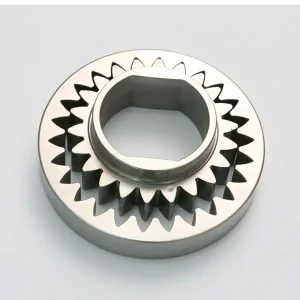
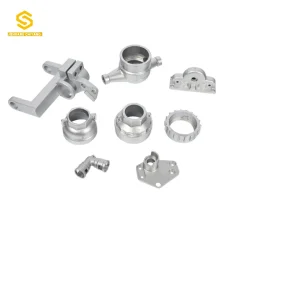
Explore our precision-engineered aluminum mold inserts, die-cast alloys, powder metallurgy gears, and high-complexity MIM structural parts engineered for rigorous industrial applications.


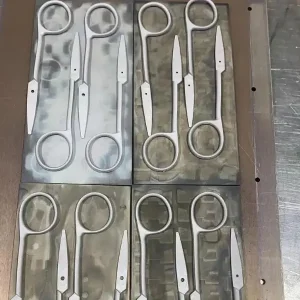





In modern high-precision plastic injection molding and rapid manufacturing, the global supply chain has undergone a fundamental architectural shift. Traditionally, steel alloys such as P20, NAK80, and H13 dominated the mold manufacturing ecosystem. However, recent breakthroughs in high-strength aircraft-grade aluminum metallurgy—specifically engineered grades like QC-10, Alumold® 500, and 7075-T651—have positioned China injection mold aluminum suppliers as pivotal strategic partners for global Original Equipment Manufacturers (OEMs).
Global enterprise buyers in North America, Europe, and Asia-Pacific are increasingly pivoting toward high-grade aluminum tooling for prototype validation, bridge production, and medium-volume serial manufacturing runs (ranging from 10,000 to 250,000 cycles). The engineering economics are clear: aluminum molds offer a thermal conductivity rate up to 3 to 4 times higher than traditional tooling steels. This dramatically accelerates heat dissipation during the injection molding cooling phase, reducing overall mold cycle times by 20% to 45%.
Furthermore, high-speed 5-axis CNC machining of aluminum tooling blocks requires significantly lower spindle torque and cutting power, enabling mold makers to cut cavity features, complex cooling channels, and fine ejector pin geometries up to 50% faster. This translates into drastically reduced NRE (Non-Recurring Engineering) tooling costs and shrinks prototype lead times from 8–10 weeks down to just 10–15 calendar days.
Why are international procurement managers placing specialized mold fabrication orders directly with Ningbo and Pearl River Delta manufacturing hubs in China? The competitive advantage extends far beyond basic labor cost differentials.
From raw forged aluminum billet suppliers (Alcoa, Constellium, and domestic high-purity aluminum smelters) to secondary surface treatments (Type III hard-coat anodizing, PTFE impregnation, and chemical nickel plating), Chinese manufacturing clusters contain all tier-2 suppliers within a 30-minute radius. This minimizes transit bottlenecks.
Top-tier Chinese injection mold aluminum suppliers operate automated high-speed CNC centers (Makino, GF Machining Solutions, Hermle) paired with Moldflow® simulation software. Engineering teams perform complete DFM (Design for Manufacturability) analysis to catch volumetric shrinkage, warpage, and air traps prior to steel or aluminum cutting.
While Western tooling shops frequently face multi-month backlogs, leading Chinese mold suppliers maintain 24/7 dual-shift manufacturing workflows. Prototype aluminum tooling and T1 sample parts can be shipped worldwide via DHL/FedEx air freight within 10 to 14 days from drawing release.
Selecting the optimal tooling material requires balancing shot capacity, cycle speed, surface finish requirements, and resin chemistry. Below is an engineering comparison matrix curated by our metallurgical engineering group:
| Material Grade | Hardness (HB / HRC) | Thermal Conductivity (W/m·K) | Machinability Index | Typical Mold Life (Cycles) | Recommended Applications |
|---|---|---|---|---|---|
| Alloy 7075-T6 / T651 | 150 HB (~30 HRC) | 130 - 150 | 100% (Excellent) | 50,000 - 100,000 | Rapid prototypes, bridge tooling, low-volume housing parts |
| QC-10 (Mold Alloy) | 160 HB (~33 HRC) | 160 | 110% (Superior) | 100,000 - 250,000 | Medium-volume production, deep core/cavity automotive tools |
| Alumold® 500 | 170 HB (~35 HRC) | 155 | 105% (Superior) | 150,000 - 300,000+ | High-precision electronic enclosures, medical diagnostic housings |
| P20 Tool Steel (Pre-hardened) | 30 - 32 HRC | 29 - 34 | 45% (Moderate) | 500,000+ | High-volume standard commodity plastics (ABS, PP, PS) |
| H13 Tool Steel (Hardened) | 48 - 52 HRC | 24 - 28 | 25% (Difficult) | 1,000,000+ | High-volume glass-filled resins, abrasive materials, die casting |
To mitigate localized wear caused by abrasive resins (e.g., 30% glass-filled Nylon PA66) or aggressive thermal cycling, advanced Chinese mold suppliers apply high-performance surface conversion treatments:
- Type III Hard-Anodizing (MIL-A-8625): Creates a 50-micron ceramic oxide layer yielding surface hardness upwards of 60–65 HRC, shielding core shut-offs and parting lines from flashing.
- Electroless Nickel-PTFE Plating: Delivers an extremely low coefficient of friction (0.05), perfect for deep-cavity ribs, thin-wall bosses, and thread ejectors where traditional liquid mold releases are prohibited.
- PVD Physical Vapor Deposition: Low-temperature Titanium Nitride (TiN) or DLC (Diamond-Like Carbon) coatings applied at temperatures below 120°C prevent metallurgical annealing or dimensional distortion of the aluminum substrate.
Precision injection mold aluminum components and specialized aluminum tooling serve critical functions across diverse engineering sectors:
Rapid prototyping of EV battery module brackets, HVAC air ducts, dashboard trim bezels, and lighting enclosures. Fast aluminum tooling cycles allow Tier-1 automotive suppliers to pass stringent crash testing and fitment validations months ahead of mass production.
Short-run production of biocompatible housings for blood analyzers, handheld surgical devices, and microfluidic cassette prototypes. Cleanroom-compatible aluminum molds maintain tight tolerances (+/- 0.02mm) with zero risk of ferrous particle contamination.
Molds for AR/VR headset frames, smart home device covers, drone structural arms, and wearable device chassis. High thermal conductivity prevents sink marks on cosmetic exterior surfaces while accommodating complex internal snap-fit geometries.
Custom aluminum fixtures, powder metallurgy sizing tools, and insert-molding assemblies. Combines light weight with high structural rigidity for continuous robotic end-of-arm tooling (EOAT) and automated assembly jigs.
When sourcing injection mold aluminum tooling or precision components internationally, establishing strict quality assurance and engineering compliance protocols is essential. We recommend global procurement directors evaluate suppliers against the following 5 key metrics:
Verify that the factory holds active quality certification with documented traceability covering raw material spectral analysis, heat treatment logs, and CMM (Coordinate Measuring Machine) full-dimension inspection reports.
A reliable manufacturer must provide a comprehensive Design for Manufacturability review prior to cutting metal, detailing draft angles, wall thickness uniformity, gate locations, ejector pin placements, and expected shrinkage rates.
Ensure your supplier operates dedicated injection molding machines on-site (ranging from 50 to 1200 tons clamping force) to execute thorough T1 testing, sample production, and Cpk statistical process capability verification.
Work exclusively with suppliers offering enforceable Non-Disclosure Agreements (NDAs), encrypted CAD file transfer systems, and isolated network infrastructure to fully protect sensitive OEM product designs.
As global manufacturing accelerates toward Industry 4.0 and sustainable manufacturing, several transformative technologies are shaping the future of injection mold aluminum production:
Combining high-strength aluminum mold bases (for rapid heat transfer and weight reduction) with 3D-printed metal inserts containing conformal cooling channels. This hybrid construction optimizes cycle times while maintaining maximum wear resistance at localized high-stress gates.
Integrating piezoelectric cavity pressure and wireless temperature sensors directly inside aluminum mold cavities. Real-time sensor feedback loops auto-adjust injection pressure and holding times, achieving near-zero defect rates (DPMM < 10).
Adopting certified recycled green aluminum alloys (produced via hydroelectric smelting) slashes embodied carbon emissions by up to 75%, helping global enterprises fulfill Scope 3 ESG supply chain decarbonization commitments.
Detailed engineering answers regarding aluminum injection molds, powder metallurgy, material compatibility, and production capabilities.
Browse additional custom powder metallurgy components, sintered gear sets, precision aluminum castings, and specialized industrial OEM spare parts.