
Featured OEM Precision Components
Discover our high-precision metal injection molded, sintered powder metallurgy, and die-cast components crafted to international medical and industrial standards.
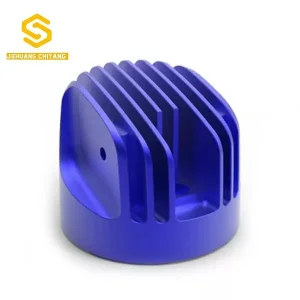
Wholesale OEM China Hardware Mold Injection & Die Casting Parts
View Product Details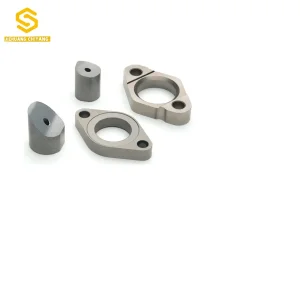
Wholesale MIM Manufacturer 316L Stainless Steel Precision Parts
View Product Details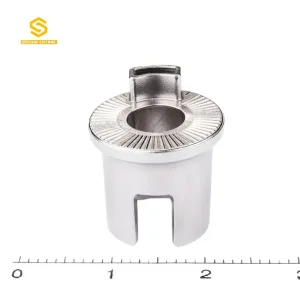
Custom Metal Injection Molding Watch Band Connectors & MIM Components
View Product Details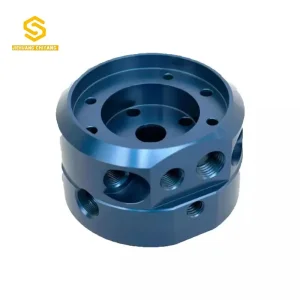
OEM Custom Made Casting Metal Parts & Alloy Components
View Product Details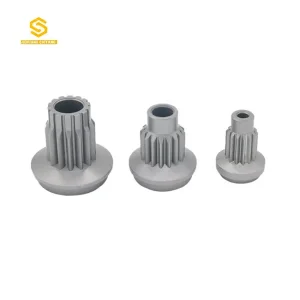
China Precision Powdered Metallurgy Structural Metal Components
View Product Details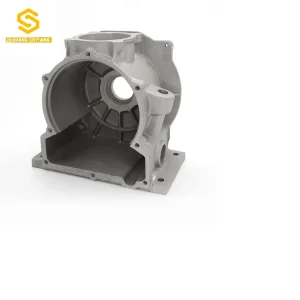
Custom Wholesale Aluminum Pressure Die Casting Parts
View Product Details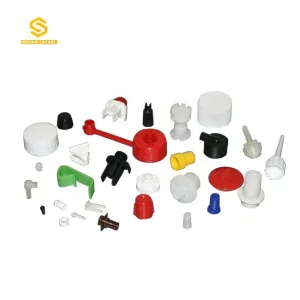
Precision Sintered High Quality Stainless Steel Filter Components
View Product Details
High Precision Customized Sintered Hardware Accessories
View Product DetailsMetal Injection Molding (MIM) Scalpel Handle Manufacturing Paradigm
In the highly demanding domain of surgical instrument manufacturing, the evolution of the surgical scalpel handle represents a critical intersection between ergonomical engineering, metallurgy, and high-volume precision manufacturing. As a premier China MIM Scalpel Handle Supplier & Factory, Ningbo Jiehuang Chiyang Electronic Tech Co., Ltd. (JHMIM) leverages state-of-the-art Metal Injection Molding (MIM) technology to engineer next-generation surgical handles, scalpel holders, and minimally invasive surgical (MIS) end-effectors that supersede traditional multi-axis CNC machining and lost-wax investment casting in both mechanical performance and cost efficiency.
Surgical scalpel handles—ranging from standard Bard-Parker style No. 3, No. 4, and No. 7 handles to intricate, multi-component articulating handles for laparoscopic, endoscopic, and robotic surgical platforms—require exacting dimensional tolerances, exceptional corrosion resistance, superior tactile grip, and bio-compatibility. Traditional manufacturing methods such as subtractive CNC milling suffer from severe material wastage (often exceeding 60-70% chip loss), lengthy cycle times, high tooling wear on difficult-to-machine stainless steels (e.g., 17-4PH, 316L, 420), and geometric constraints when forming internal lumens or complex 3D ergonomic contouring. MIM technology overcomes these barriers by fusing the design freedom of plastic injection molding with the structural integrity of high-density wrought metals.
By utilizing ultra-fine metal powders (typically 4–22 µm grain diameter) combined with proprietary thermoplastic binder systems, JHMIM injects complex scalpel handle geometries into high-cavity precision molds. Following catalytic debinding and high-temperature vacuum sintering at temperatures upwards of 1350°C, the resulting metallic structure achieves relative densities exceeding 97.5% of theoretical maximum. This density guarantees mechanical properties—such as yield strength, tensile strength, and fatigue resistance—that are virtually indistinguishable from wrought stainless steel or titanium alloys, making MIM the absolute benchmark for medical OEM procurement teams worldwide.
MIM Scalpel Handle Technical Evolution & Market Trends
Micro-MIM & High-Aspect Geometries
Modern surgical procedures are increasingly transitioning toward minimally invasive surgery (MIS), micro-surgery, and robotic assistance. This shift demands scalpels with miniaturized locking mechanisms, ultra-thin blade attachment slots (down to 0.15 mm tolerances), and high-aspect-ratio internal suction/cautery channels. Micro-MIM allows China factories to produce complex scalpel handles with micro-scale knurling, integrated ruler scales, and quick-release spring latches in a single molding operation, eliminating multiple assembly steps.
Titanium MIM (TiMIM) Adoption
While medical-grade 316L and 17-4PH stainless steel remain the workhorses of standard surgical handles, Titanium Ti-6Al-4V MIM is rapidly gaining market share. Titanium scalpel handles offer a 45% weight reduction compared to stainless steel, reducing surgeon hand fatigue during long cardiovascular or neurosurgical operations. Titanium MIM also offers superior non-magnetic properties, making handles MRI-compatible and highly resistant to aggressive chemical sterilization agents.
Ergonomic 3D Surface Micro-Texturing
Traditional flat or cross-hatched knurling produced by mechanical machining is prone to trapping biological contaminants and challenging to clean thoroughly. Through high-precision EDM toolmaking for MIM molds, JHMIM creates organic 3D ergonomic grip surfaces featuring fluidic micro-textures. These textures provide enhanced non-slip tactile feedback even when wet with fluids, while maintaining smooth micro-radii that prevent tissue debris accumulation and streamline automated washer-disinfector validation.
Global OEM Procurement Requirements & Compliance Assurance
Sourcing medical components internationally requires rigorous adherence to international regulatory frameworks, quality management protocols, and risk mitigation strategies. Global medical device OEMs in North America, Europe, and Asia-Pacific require suppliers to deliver uncompromised quality, lot-to-lot consistency, and complete traceability. As an IATF 16949 and ISO 9001 certified manufacturer with ISO 13485 compliant operating procedures, JHMIM meets every key global procurement mandate:
- Metallurgical & Material Compliance: Complete material test reports (MTR) according to ASTM F899 (Standard Specification for Wrought Stainless Steels for Surgical Instruments), ASTM F1089 (Standard Test Method for Corrosion of Surgical Instruments), and ISO 7153-1 specifications.
- Strict Biocompatibility & Cleanliness: Bio-burden control with zero chemical residue post-debinding. Passivation according to ASTM A967 (citric or nitric passivation) ensures optimal chromium oxide passive film formation for repeated autoclave cycles without pitting or discoloration.
- Full Production Part Approval Process (PPAP Level 3): Comprehensive documentation packages including Design Failure Mode and Effects Analysis (DFMEA), Process Flow Diagrams, Process Capability Studies (Cpk > 1.33 for critical dimensions), and Measurement System Analysis (MSA).
- 100% Critical Dimension Inspection & Traceability: Advanced Coordinate Measuring Machines (CMM), optical measuring systems, and X-ray fluorescence (XRF) alloy analyzers ensure absolute compliance with drawing specifications. Laser batch marking allows end-to-end traceability from raw powder lot to finished scalpel handle.
| Material Grade | Composition Standard | Tensile Strength (MPa) | Yield Strength (MPa) | Hardness (HRC/HV) | Primary Surgical Application |
|---|---|---|---|---|---|
| 17-4PH (SUS630) | ASTM A564 / MIM 17-4PH | 1,150 - 1,300 | 1,000 - 1,100 | 38 - 44 HRC | High-stress reusable scalpel handles & locking jaws |
| 316L Stainless Steel | ASTM F138 / MIM 316L | 520 - 620 | 220 - 300 | 150 - 200 HV | Corrosion-critical scalpel handles & sterilizable tools |
| 420 Stainless Steel | ASTM F899 / MIM 420 | 1,400 - 1,600 | 1,200 - 1,350 | 48 - 54 HRC | Scalpel blade holding slots & wear-resistant mechanisms |
| Ti-6Al-4V (Grade 5) | ASTM F1472 / MIM Ti-64 | 895 - 1,000 | 825 - 910 | 30 - 36 HRC | Ultra-lightweight micro-scalpels & non-magnetic handles |
Supply Chain Resilience, Automation & Cost-Efficiency Advantages
Choosing China as your primary manufacturing hub for MIM scalpel handles provides distinct structural, financial, and technological advantages. Located in Ningbo, Zhejiang—one of China’s most advanced high-tech industrial corridors—JHMIM combines integrated supply chain ecosystems with Industry 4.0 smart manufacturing practices.
Automated Powder-to-Part Smart Lines
Our 28,000 m² production facility houses fully automated German and Japanese injection molding presses equipped with robotic pick-and-place end effectors. Centralized feedstock mixing systems ensure tight binder distribution control, eliminating density gradients during molding. Continuous catalytic debinding furnaces and high-temperature vacuum sintering atmosphere control guarantee zero carbon contamination and flawless surface finish.
In-House Tooling & Rapid DFM Verification
Unlike regional vendors who outsource mold construction, JHMIM maintains an in-house precision mold building center equipped with high-speed CNC milling (up to 36,000 RPM) and mirror-surface EDM. Our engineering team conducts comprehensive Design for Manufacturability (DFM) reviews on every drawing within 48 hours. Using advanced flow simulation software, we predict powder-binder separation, shrinkage factors (typically 15-20%), and gas entrapment, optimizing mold gating before steel is cut.
Complete Integrated Post-Processing Cluster
Surgical scalpel handles demand multi-disciplinary finishing. The Ningbo industrial cluster provides immediate, low-cost access to specialized surface treatment partners. Under strict internal quality control, JHMIM offers complete turnkey solutions: secondary CNC precision tuning, laser welding, electropolishing, satin bead blasting, PVD coating (TiN, CrN, DLC), and medical-grade cleanroom packaging.
Custom Scalpel Handle Applications Across Medical Disciplines
Our OEM MIM scalpel handles and related precision instrument parts are designed to support a vast matrix of surgical procedures, catering to diverse specialized medical sectors globally:
1. Standard Reusable Scalpels (No. 3, 4, 7, 9)
Engineered in high-strength 17-4PH or 316L stainless steel, these handles feature standardized blade mounting fitment slots conforming to ISO 7740 standards. Perfect balance, anti-reflective satin finishes, and ergonomic finger contours provide exceptional tactile control during open abdominal, orthopedic, and trauma surgeries.
2. Ophthalmic & Micro-Surgical Scalpels
Designed for sub-millimeter precision in cataract, corneal, and plastic surgery procedures. These micro-scalpel handles feature ultra-fine round handles with hexagonal or diamond-knurled grip zones, manufactured in Titanium TiMIM to give surgeons maximum micro-sensory feedback without muscle fatigue.
3. Laparoscopic & Endoscopic Articulating Shafts
Complex multi-piece scalpel assemblies used in keyhole surgeries. MIM enables the consolidated molding of internal clevises, pull-wire guides, and rotating thumb wheels directly into the handle body, dramatically reducing sub-assembly part counts while maintaining strict structural rigidity.
4. Robotic Surgical End-Effectors & Interfaces
Next-generation robotic surgical systems (such as da Vinci compatible tooling) rely on intricate MIM structural housing components and miniature scalpel wrist joints. These parts require extreme dimensional accuracy (tolerances within ±0.02 mm post-machining) to interface seamlessly with high-precision servo drive systems.
5. Safety Scalpels & Shielded Retractable Handles
To protect healthcare workers from sharps injuries, safety scalpels incorporate spring-loaded sliding blade shields. MIM allows for the integration of low-friction internal locking tracks and spring anchors directly into the metallic scalpel handle chassis.
6. Specialized Dermatomies & Autopsy Tools
Heavy-duty skin grafting dermatomies and specialized pathology scalpel holders requiring weighted balance, extreme flexural strength, and resistance to harsh enzymatic cleaning detergents.
Engineering Evaluation: MIM vs. Alternative Manufacturing Methods
Selecting the optimal manufacturing route for surgical scalpel handles depends directly on part complexity, annual volume, material requirements, and budget constraints. Below is a comprehensive engineering comparison detailing how MIM performs against traditional manufacturing technologies:
| Evaluation Parameter | Metal Injection Molding (MIM) | 5-Axis CNC Machining | Investment Casting | Aluminum/Zinc Die Casting |
|---|---|---|---|---|
| Geometric Complexity | Very High (Undercuts, thin walls, 3D grips) | Moderate to High (Limited by tool access) | Moderate (Draft angles required) | Moderate (Draft angles, uniform wall required) |
| Material Utilization | Near 95-98% (Reclaimable sprues) | Very Low (30-40%, 60%+ material waste) | Moderate (60-70% yield) | High (Reclaimable runners) |
| Annual Production Volume | Ideal for 2,000 - 1,000,000+ pcs | Best for 1 - 1,000 pcs (Low volume) | 1,000 - 50,000 pcs | 5,000 - 500,000+ pcs (Non-ferrous only) |
| Unit Cost at Volume | Extremely Low (30-50% savings) | Very High (Driven by machining time) | Moderate to High (Manual labor intensive) | Low (Limited to low melting alloys) |
| Dimensional Tolerance | ±0.3% - ±0.5% (±0.02 mm post-machined) | ±0.005 - ±0.01 mm | ±0.5% - ±1.0% | ±0.2% - ±0.4% |
| Surface Finish (As-Sintered) | Ra 1.0 - 1.6 µm (Mirror polished easily) | Ra 0.8 - 3.2 µm (Tool marks visible) | Ra 3.2 - 6.3 µm (Rough surface) | Ra 1.6 - 3.2 µm |
| Applicable Medical Alloys | 17-4PH, 316L, 420, Ti-6Al-4V | All metals (High tool wear on 17-4PH) | Stainless steels, Cobalt-Chrome | Aluminum, Zinc, Magnesium only |
Frequently Asked Questions by OEM Procurement Teams
1. Why is MIM superior to CNC machining for complex scalpel handles?
MIM excels in producing complex, contoured 3D geometries, ergonomic knurling, internal channels, and brand logo reliefs without multi-axis tool resetting or expensive cutting tool wear. While CNC machining costs scale linearly with geometric complexity and machine cycle times, MIM mold costs are amortized over production runs, dropping unit costs by 30% to 50% for annual volumes exceeding 2,000 units.
2. How does JHMIM control dimensional shrinkage during sintering?
During sintering, MIM components shrink uniformly by 15% to 20% as the binder is removed and metal particles fuse. JHMIM utilizes high-precision mold cavity scale modeling derived from advanced finite element analysis (FEA). By strictly monitoring metal powder lot particle size distribution (PSD), feedstock homogeneity, and vacuum sintering thermal profiles (accurate to ±1°C), we achieve tight dimensional tolerances of ±0.3% to ±0.5% consistently.
3. What bio-compatibility standards and corrosion tests do your handles meet?
Our medical scalpel handles are manufactured using medical-grade alloys (17-4PH, 316L, 420, Ti-6Al-4V) complying with ASTM F899 specifications. Post-sintering, parts undergo chemical passivation per ASTM A967 and pass rigorous corrosion resistance testing according to ASTM F1089 (including boiling water and copper sulfate immersion tests), ensuring zero rust or degradation under repeated autoclave sterilization cycles.
4. Can you handle custom OEM branding, laser marking, and specialized surface finishes?
Yes. We provide complete turnkey OEM solutions. Brand logos, blade size numbers (e.g., #3, #4), and custom alignment marks can be directly molded in relief during MIM or precise laser-etched post-polishing. We offer satin anti-glare bead blasting, high-mirror electropolishing, electroplating, and specialized PVD titanium nitride (TiN) or diamond-like carbon (DLC) coatings for superior surface hardness and chemical inertness.
5. What is the typical lead time for tooling, prototyping, and mass production?
Tooling design, fabrication, and initial T1 sample delivery typically take approximately 30 days. For rapid design verification before cutting production steel tooling, JHMIM provides metal 3D-printed (SLM/DMLS) prototype samples within 5-7 working days. Once samples and PPAP Level 3 documentation are approved by the client, standard mass production order lead times range from 3 to 4 weeks depending on batch volume.
6. What are the Minimum Order Quantity (MOQ) requirements for custom MIM scalpel handles?
Our standard MOQ for production MIM components is 2,000 pieces per order. However, during the initial product development and clinical trial phase, we fully support low-volume pilot runs and prototype validation batches to assist OEM clients in bringing new surgical instruments to market smoothly.
7. How does JHMIM ensure Intellectual Property (IP) security for custom client designs?
We prioritize client IP protection above all else. JHMIM routinely signs non-disclosure agreements (NDAs) prior to receiving any 2D/3D CAD files. All project data is stored on encrypted local servers with restricted internal access control. Mold tooling remains dedicated strictly to the respective customer and is never repurposed or shared with third parties.
Explore Additional OEM Metal Injection & Sintering Solutions
Review our extended capabilities across powder metallurgy, die casting, titanium injection molding, and custom OEM manufacturing.
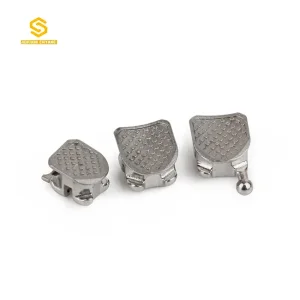
China Wholesale Custom High Precision MIM Small Metal Parts
View Product Details
Custom OEM High Precision CNC Machined & Die Cast Spare Parts
View Product Details
China OEM Powder Metallurgy PM Sintered Precision Metal Parts
View Product Details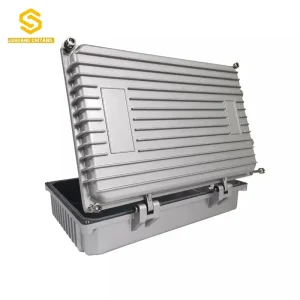
Custom Sintering MIM Hardware for Machinery & Auto Components
View Product Details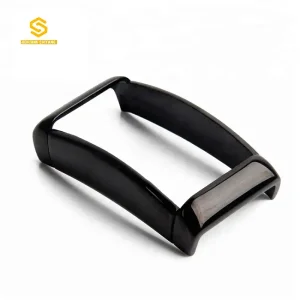
High Purity Spherical Ta1 Titanium Powder for Spraying & MIM
View Product Details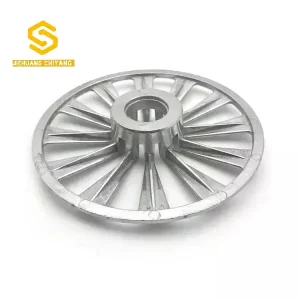
Custom A360 ADC12 Die Cast Aluminum Auto Spare Parts
View Product Details
Customized Zinc & Aluminum Die Casting Parts for Medical & Auto
View Product Details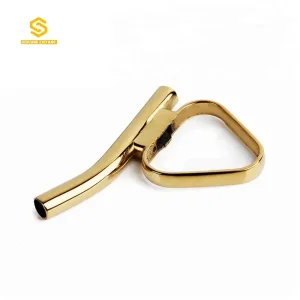
ODM CNC Custom MIM Stainless Steel Components & Machinery Parts
View Product Details