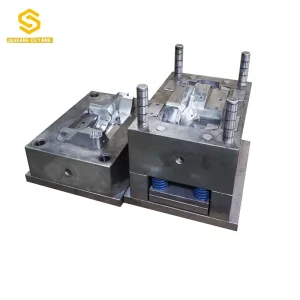
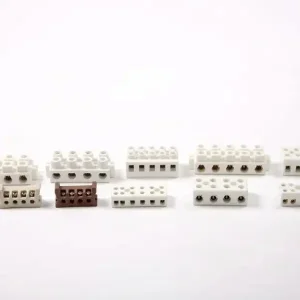
Featured Precision Powder Metallurgy & MIM Products
Direct factory customized OEM component solutions for automotive, medical, hardware, and structural electronics.


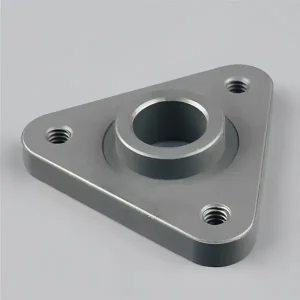



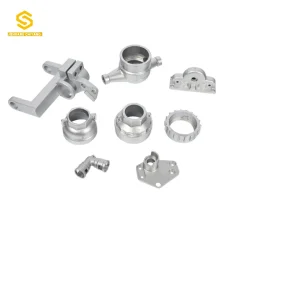
Executive Technical Summary: The Powder Metallurgy Ecosystem in China
Powder Metallurgy (PM) and Metal Injection Molding (MIM) represent the cornerstone of modern precision mechanical engineering. By synthesizing high-purity metal powders under high-pressure compaction and controlled-atmosphere sintering, PM technologies produce complex, high-strength structural parts with near-net-shape accuracy. This approach virtually eliminates traditional machining scrap and minimizes manufacturing cost per unit.
As the world’s manufacturing hub, China has established an integrated industrial supply cluster for powder metallurgy. Concentrated in key technological zones like Ningbo and Zhejiang Province, Chinese PM factories combine raw material synthesis, precision mold design, advanced atmosphere sintering, and secondary CNC finishing. Buyers in Automotive, Medical Device, Aerospace, Smart Wearables, and Power Tool industries leverage Chinese PM manufacturers to achieve unprecedented cost-efficiency, technical repeatability, and rapid scalability.
High Material Efficiency & Sustainability
Traditional subtractive CNC machining can waste up to 70% of raw billet stock as swarf and chips. In contrast, powder metallurgy processes yield over 95% material utilization. Near-net-shape molding dramatically reduces energy consumption and preserves critical metals such as nickel, molybdenum, titanium, and cobalt.
Superior Mechanical Integrity
Through state-of-the-art sintering technology, powder metallurgy parts achieve microstructural homogeneity, high tensile yield strength, tailored magnetic permeability, and exceptional fatigue resistance. Sintered steel gears and structural components regularly match wrought alloy properties for demanding automotive drivetrain uses.
Unmatched Design Geometry Freedom
Metal Injection Molding (MIM) combines the geometric freedom of plastic injection molding with the mechanical durability of metals. Features such as internal threads, complex multi-stage splines, internal cross-holes, undercut geometries, and thin-walled profiles are easily formed in a single mold cavity.
Comparative Analysis of Precision Manufacturing Routes
Choosing the right manufacturing process requires evaluating part weight, complexity, target annual volume, and required structural density. The decision matrix below clarifies how Chinese PM and MIM facilities evaluate your engineered drawings during Design for Manufacturability (DFM) reviews.
| Manufacturing Process | Ideal Part Geometry | Typical Weight Range | Theoretical Density | Dimensional Tolerance | Economical Batch (MOQ) |
|---|---|---|---|---|---|
| Conventional PM (Press & Sinter) | 2.5D shapes, spur gears, bushings, structural flanges | 5 g to 2,500 g | 85% – 95% | ±0.03 mm to ±0.08 mm | 5,000+ pcs |
| Metal Injection Molding (MIM) | 3D complex geometries, undercuts, thin-walled surgical handles | 0.2 g to 250 g | 96% – 99.5% | ±0.02 mm to ±0.05 mm | 2,000+ pcs |
| Aluminum / Zinc Die Casting | Thin-walled housings, enclosures, heat sinks, structural frames | 10 g to 5,000 g | 90% – 97% | ±0.05 mm to ±0.10 mm | 2,000+ pcs |
| Selective Laser Melting (SLM 3D Printing) | Prototypes, ultra-complex aerospace/dental implants | 0.1 g to 1,000 g | 99.0% – 99.9% | ±0.05 mm | 1 to 500 pcs |
| Subtractive CNC Machining | Prismatic shapes, simple shafts, low-volume custom parts | Flexible | 100% (Wrought Billet) | ±0.005 mm | 1 to 500 pcs |
01. Powder Atomization & Compaction
High-purity elemental or pre-alloyed powders (gas atomized or water atomized) are mixed with solid lubricants. Automated multi-stage mechanical or hydraulic presses apply pressures up to 800 MPa to compress powder into a high-density "green compact."
02. Catalytic / Solvent Debinding (MIM)
For Metal Injection Molding, superfine metal powder is blended with a thermoplastic binder system to produce feedstock. After injection into precision steel molds, the binder is removed via nitric acid catalytic debinding or solvent immersion before sintering.
03. High-Temperature Controlled Sintering
Green compacts move through continuous mesh-belt or vacuum sintering furnaces at temperatures ranging from 1120°C to 1380°C under protective atmospheres (Dissociated Ammonia, Nitrogen-Hydrogen, or Vacuum). Atomic diffusion fuses powder particles into solid metal structures.
Powder Metallurgy & MIM Material Engineering Specifications
Chinese powder metallurgy factories work with international standards, including MPIF Standard 35, ISO 22068, ASTM B783, and DIN standards. Below is an engineering specification overview of mainstream PM and MIM alloys engineered for high-stress applications.
| Material Standard / Grade | Material Class | Tensile Strength (MPa) | Yield Strength (MPa) | Hardness | Primary Industrial Applications |
|---|---|---|---|---|---|
| MIM 17-4PH (UNS S17400) | Precipitation Hardening Stainless Steel | 1,150 – 1,350 | 1,050 – 1,200 | 38 – 45 HRC | Surgical instruments, aerospace hinges, high-stress gears |
| MIM 316L (UNS S31603) | Austenitic Stainless Steel (Non-Magnetic) | 520 – 600 | 220 – 280 | 75 – 85 HRB | Medical implants, luxury watch cases, consumer electronics connectors |
| MPIF FN-0208 (Sintered Steel) | Nickel-Iron Sintered Alloy Steel | 450 – 650 | 350 – 500 | 65 – 80 HRB | Automotive timing sprockets, oil pump rotors, lawnmower gears |
| MPIF FC-0208 (Copper-Steel) | Copper-Infiltrated Structural Alloy | 550 – 750 | 400 – 600 | 70 – 90 HRB | Heavy-duty power tool planetary gears, water pump flanges |
| Ti-6Al-4V (MIM Grade 5) | Titanium Alloy (Biocompatible) | 880 – 980 | 790 – 860 | 32 – 38 HRC | Orthopedic surgical tools, lightweight aerospace brackets |
| Fe-Sil Soft Magnetic (SMC) | Soft Magnetic Composite | 300 – 420 | 250 – 350 | 140 – 180 HV | EV electric motor cores, solenoid actuators, induction sensors |
Controlled Porosity & Oil Impregnation
For self-lubricating bronze and iron bushings (SAE 841 / MPIF CT-1000), interconnecting micropores are deliberately retained (15–25% porosity). These pores are vacuum-impregnated with synthetic lubricating oils to deliver silent, maintenance-free bearing operations for over 10,000 duty hours.
Heat Treatment & Surface Hardening
Sintered metal parts readily accept heat treatment processes like Carbo-nitriding, Case Hardening, Vacuum Quenching, and Steam Oxidation. Steam treatment forms a thin, hard magnetite layer (Fe3O4) inside pores, raising surface hardness, micro-seal integrity, and corrosion resistance.
Global Industry Applications & Engineered Solutions
Chinese powder metallurgy parts serve virtually every major high-precision industry. Here is how key global sectors utilize PM and MIM components to resolve tough mechanical design challenges.
Automotive & EV Systems
From Variable Valve Timing (VVT) rotors and vanes to Electronic Parking Brake (EPB) planetary gear sets, oil pump gear rotors, and seat recliner mechanisms, powder metallurgy supplies light, ultra-durable components for modern internal combustion engines and electric vehicle powertrains.
Medical & Surgical Instrumentation
Metal Injection Molding is ideal for surgical tools, laparoscopic grasper jaws, biopsy forceps, scalpel handles, and titanium dental implants. MIM process delivers 100% biocompatibility, complex 3D profiles, and high resistance to repeated autoclave sterilization cycles.
Consumer Electronics & Wearables
Foldable smartphone hinges, smart watch metal frames, camera lens ring actuators, and fiber optic connector housings rely on high-precision stainless steel MIM. Micro-MIM allows mass production of miniature metal parts weighing less than 0.1 grams with cosmetic-grade surface finishes.
Power Tools & Industrial Machinery
High-torque cordless drills, impact wrenches, hydraulic pump end plates, and pneumatic valve bodies require gears and structural flanges capable of handling shock loads. Sintered iron-nickel and copper-infiltrated steel components offer maximum hardness and wear resistance.
Quality Assurance Systems & International Compliance
Leading Chinese powder metallurgy factories operate comprehensive quality inspection infrastructures to satisfy stringent automotive, medical, and aerospace tier-1 vendor audits.
Certifications & Audit Integrity
- IATF 16949:2016 Automotive Quality Management System
- ISO 9001:2015 Quality Management System
- ISO 13485 Medical Device Quality Standard
- RoHS & REACH Environmental Chemical Compliance
- Conflict Minerals Free Traceable Raw Material Sourcing
Metrology & Non-Destructive Testing (NDT)
Inspection laboratories utilize Zeiss Coordinate Measuring Machines (CMM), Optical Comparators, Metallographic Microstructure Analyzers, Densitometers, Salt Spray Testing Chambers, and X-ray Computed Tomography (CT) to detect internal micro-voids and verify part tolerances before bulk shipment.
Localized Logistics & Engineering Support
From initial DFM review in native English to localized customs clearing (DDP), Vendor Managed Inventory (VMI), and safety stock buffering, Chinese suppliers partner with international logistics networks to guarantee frictionless supply chain continuity for North American and European OEMs.
Technology Roadmap: Next-Gen Advances in Powder Metallurgy
The powder metallurgy industry is accelerating toward digital manufacturing, AI-assisted sintering simulations, advanced titanium MIM formulations, and sustainable powder production.
1. AI-Powered Sintering Shrinkage Simulation
Finely tuned FEA computer simulations model thermal expansion and dimensional shrinkage kinetics during sintering. This predictive modeling reduces mold trial iterations by 60%, speeding up tooling validation and part approval.
2. Titanium & Superalloy MIM (TiMIM)
Advances in low-oxygen titanium powder processing enable production of lightweight, corrosion-resistant medical implants and aerospace fittings at a fraction of traditional multi-axis CNC milling costs.
3. Green Hydrogen Sintering Decarbonization
Transitioning from traditional ammonia-dissociated sintering atmospheres to 100% green hydrogen reduction gas eliminates industrial carbon footprints, aligning Chinese manufacturers with global ESG supply chain goals.
Frequently Asked Questions (Technical & Procurement Buyer Intent)
Direct engineering answers to technical queries regarding powder metallurgy manufacturing capabilities in China.
- 3D CAD Model: STEP, IGES, or X_T format (shows full geometry).
- 2D Engineering Drawing: PDF or DWG format (defines critical tolerances, surface roughness, heat treatment specs, and inspection standards).
- Project Details: Material grade (e.g., 17-4PH, MPIF FN-0208), estimated annual order volume (EAU), packaging, and shipping terms (FOB, CIF, DDP).
Complete OEM Custom Manufacturing Catalogue
Explore additional sintered metal, die casting, metal 3D printing, and high-precision machinery components.