High-Precision Medical & Industrial Molding Components
Explore our top-tier catalog of metal injection molding (MIM), plastic injection molding, titanium components, and sintered powder metallurgy hardware engineered for zero-defect compliance.
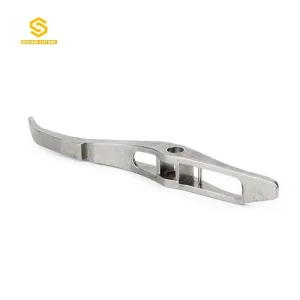
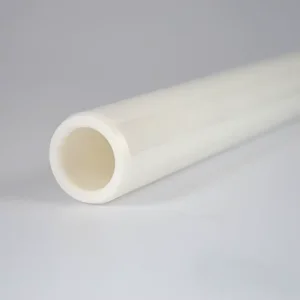
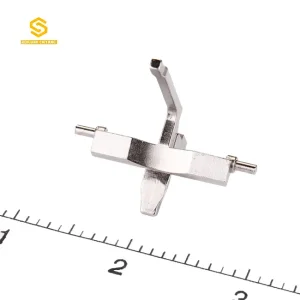
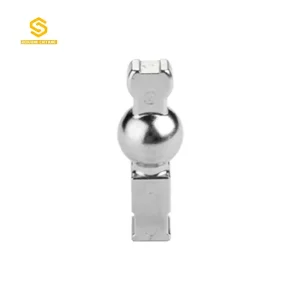
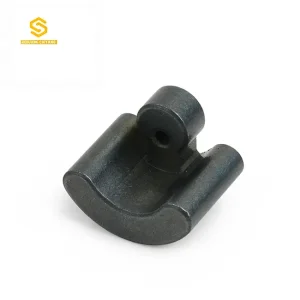
The Paradigm Shift in Medical Device Injection Molding
As global healthcare transitions toward minimally invasive surgical procedures, wearable diagnostic sensors, and implantable micro-mechanisms, medical device original equipment manufacturers (OEMs) demand unprecedented precision, mechanical reliability, and biocompatibility in component manufacturing.
Understanding Modern Medical Injection Molding Technologies
Medical injection molding spans two dominant manufacturing disciplines: Plastic Medical Injection Molding (utilizing medical-grade polymers like PEEK, polycarbonate, TPU, and polypropylene) and Powder Injection Molding (PIM) / Metal Injection Molding (MIM) (utilizing surgical stainless steels like 17-4PH, 316L, and titanium alloys). Both processes enable mass production of complex, net-shape geometries with sub-millimeter features that are either impossible or cost-prohibitive to machine via conventional multi-axis CNC milling.
When sourcing wholesale medical injection molding from accredited factory partners, enterprise procurement teams evaluate technical feasibility through the lens of Information Gain: evaluating total cost of ownership (TCO), tool longevity, process capability index (Cpk ≥ 1.33), cleanroom cleanliness classifications (ISO Class 7/8), and adherence to strict regulatory validation frameworks (IQ/OQ/PQ).
Comprehensive Process Selection Matrix for Medical OEMs
| Manufacturing Technology | Primary Medical Materials | Dimensional Tolerance | Geometric Complexity | Economic MOQ Threshold | Biocompatibility Standard |
|---|---|---|---|---|---|
| Metal Injection Molding (MIM) | 17-4PH, 316L, Ti-6Al-4V, Co-Cr | ± 0.3% to ± 0.5% (±0.02mm) | Extremely High (Undercuts, micro-holes) | 2,000 – 5,000 units | ISO 10993 / ASTM F138 Compliant |
| Precision Medical Plastic Molding | PEEK, PC, Polypropylene, COC, TPU | ± 0.05mm to ± 0.1mm | High (Thin walls, micro-fluidic channels) | 5,000 – 10,000 units | USP Class VI / ISO 10993 |
| Ceramic Injection Molding (CIM) | Zirconia (ZrO2), Alumina (Al2O3) | ± 0.3% (±0.015mm post-finish) | High (Extreme wear & insulation) | 1,000 – 3,000 units | ISO 13356 Implant Grade |
| 5-Axis Micro CNC Machining | Titanium Grade 5, SS316L, PEEK | ± 0.005mm | Moderate to High (Tool-access limited) | 1 – 500 units (Prototyping) | Material Cert Dependent |
Why Global MedTech Leaders Partner with China Manufacturing Hubs
China’s precision industrial clusters—specifically located in Ningbo, Zhejiang, and the broader Yangtze River Delta—have evolved from high-volume component producers into sophisticated research, development, and mass-manufacturing centers for high-compliance medical devices.
Tooling Agility & Rapid Cycle Times
Chinese tooling engineers utilize advanced Moldflow® thermal simulations, master steel selection (NAK80, S136, H13), and automated EDM electrode production to build multi-cavity medical molds in 3 to 5 weeks—compared to 10 to 14 weeks in Europe or North America.
Vertically Integrated Powder & Polymer Supply
Direct access to localized feedstocks—such as gas-atomized spherical Ti45Al8Nb, 316L micro-powders, and medical-grade synthetic polymers—eliminates cross-border material bottlenecks and drastically lowers raw material acquisition tariffs.
Stringent Quality Management Systems
Top-tier factories operate ISO 13485 and IATF 16949 certified quality systems equipped with Japanese CMMs, Keyence optical comparators, vacuum debinding furnaces, and cleanroom assembly lines that guarantee lot-to-lot consistency.
By combining low initial tooling investment with high-speed automated sintering and cleanroom injection molding, medical OEM brand owners achieve up to 50% amortized unit cost savings. This enables faster clinical trial iterations and rapid commercial scaling without sacrificing structural integrity or regulatory compliance.
Emerging Innovations in Medical Molding & Powder Metallurgy
The intersection of material science, micro-mechanics, and digital process monitoring is driving unprecedented capabilities in medical device contract manufacturing.
1. Micro-Metal Injection Molding (μ-MIM)
Micro-MIM allows mass manufacturing of parts weighing as little as 0.01 grams with wall thicknesses under 0.1mm. Essential for neurosurgical tools, micro-endoscopy tips, and hearing aid armatures, μ-MIM replaces expensive Swiss lathe turning while dramatically expanding design freedom.
2. Titanium Alloys (TiMIM & Spherical Ti45Al8Nb)
Titanium MIM technology provides tensile strength matching forged titanium (yield strength > 800 MPa) at a fraction of machining cost. High plasticity, low brittleness powders enable orthopedic bone screws, implantable bracket housings, and surgical scalpel handles.
3. High-Performance Bio-Ceramics (CIM)
Zirconia (ZrO2) and Alumina (Al2O3) injection molding delivers extreme hardness, chemical inertness, and zero electromagnetic interference. Highly sought after for dental implants, ceramic plunger pumps in dialysis devices, and minimally invasive laparoscopic insulation sleeves.
4. Smart AI-Driven MoldFlow & In-Line Sensing
Integration of cavity pressure sensors and AI thermal mapping during injection molding reduces warp, residual stress, and void formation. Automated vision inspection systems verify 100% of critical dimensions in real time at full production speed.
5. Cleanroom Micro-Plastics Molding
Class 7 and Class 8 cleanroom injection molding utilizing high-temperature resins (PEEK, PPSU) guarantees contaminant-free fluidic chips, blood diagnostic cartridges, and syringe barrels without requiring post-molding chemical de-esterification.
6. Hybrid MIM + CNC Machining Integration
For medical components demanding ultra-tight sealing faces (±0.002mm) alongside complex internal webs, factories utilize MIM near-net shape sintering followed by high-speed CNC finish milling—optimizing both unit cost and micro-precision.
Sector-Specific Solutions for Medical Device Manufacturers
From operating room surgical tables to home health wearable monitoring devices, injection-molded components serve critical roles across the medical device spectrum.
Minimally Invasive Surgical (MIS)
Endoscopic graspers, surgical stapler anvils, articulation gears, laparoscopic shears, and needle holder jaws molded in 17-4PH and 316L stainless steel for maximum torsional strength.
Dental & Orthodontic Hardware
Direct-printed and molded ceramic/MIM orthodontic brackets, molar tubes, dental handpiece turbine heads, and titanium implant abutments requiring ultra-smooth surface finishes.
Drug Delivery Systems
High-precision internal drive gears, ratchets, and metering valves for auto-injectors, insulin delivery pens, and inhalers manufactured in cleanroom plastic molding environments.
Diagnostic & Wearable Devices
Micro-fluidic cartridges, wearable biosensor enclosures, hearing aid housings, and structural frames combining lightweight aluminum die casting and micro-plastic molding.
End-to-End Enterprise Solution Workflow
Frequently Asked Questions by Global Procurement Executives
Get authoritative answers on engineering specifications, regulatory compliance, tooling lead times, and factory verification procedures.
OEM Hardware, Gears & Custom Sintered Components
Explore our broader industrial, electromechanical, and medical component manufacturing lineup featuring custom alloys, powder metallurgy dies, and CNC finished parts.