
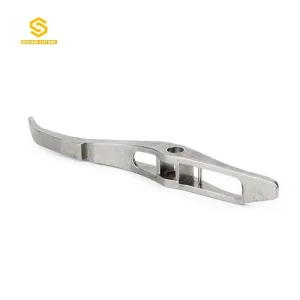
Flagship Engineering Components for Bangladesh Manufacturing
Engineered to support Bangladesh’s rapidly expanding textile machinery, automotive light engineering, and high-precision equipment sectors with micro-tolerances and high repeatability.
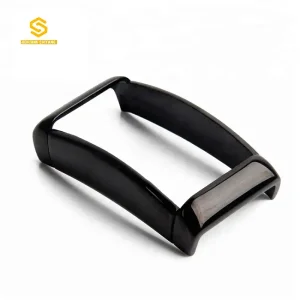
OEM Powdered Copper Based Sintered Metal Parts for Bangladesh Electrical Infrastructure
View Technical Details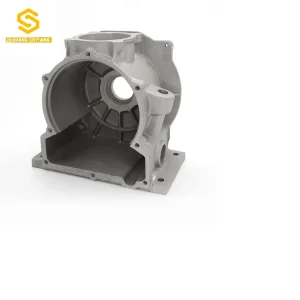
High Precision Custom Aluminum Pressure Die Casting Parts for Bangladesh OEM Assembly
View Technical Details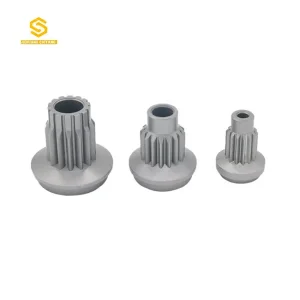
Sintered Bronze Bushing & PM Copper Powdered Metallurgy Bearings for Industrial Gearboxes
View Technical DetailsExecutive Whitepaper: Transforming Bangladesh's Industrial Ecosystem Through Advanced Powder Metallurgy & MIM
As Bangladesh accelerates its transition towards Vision 2041—aiming to elevate its economic standing to a developed industrial nation—the country’s manufacturing landscape is undergoing a systemic paradigm shift. Historically centered on ready-made garments (RMG) and basic assembly operations, the Bangladeshi industrial sector is rapidly expanding into high-value manufacturing: light engineering, automotive 2/3-wheeler assembly, pharmaceutical machinery, electrical equipment, and local electronics production. However, securing reliable, high-precision, cost-efficient micro metal components has consistently presented a supply chain bottleneck for local Original Equipment Manufacturers (OEMs).
This technical whitepaper provides an exhaustive analysis of how advanced Chinese powder metallurgy (PM), Metal Injection Molding (MIM), and precision pressure die-casting technologies act as the primary catalyst to bridge Bangladesh’s precision engineering deficit. By integrating high-density alloy sintering and near-net-shape manufacturing processes, local manufacturers in Gazipur, Narayanganj, Bogra, and Chittagong can achieve up to 45% unit-cost reductions, eliminate multi-axis CNC machining waste, and drastically improve product lifespan under extreme tropical humidity and operational wear.
Strategic Supply Chain Insight for Bangladeshi Procurement Officers
By leveraging Chinese OEM partnerships compliant with IATF 16949 and ISO 9001 standards, Bangladeshi industrial enterprises can source zero-defect sintered steel, bronze, and titanium components under preferential duty arrangements (including Form E certificates and bilateral trade frameworks), dramatically lowering total landed costs.
Industrial Application Scenarios Across Bangladesh Clusters
Customized powder metallurgy and metal injection molding engineering tailored for Bangladesh's core economic sectors.
Textile & Garment Machinery
High-wear sintered stainless steel thread guides, complex knitting machine cams, shuttle hooks, and feeder gears used extensively in Gazipur and Savar textile mills. Superior wear resistance minimizes production downtime.
Pharmaceutical & Medical Tech
Biocompatible 316L and 17-4PH MIM fluidic valves, tablet compression punches, and surgical instrument parts serving the thriving pharmaceutical hubs of Dhaka and Narayanganj, fully compliant with FDA standards.
Light Engineering & Automotive Assembly
Sintered timing gears, wiper motor assemblies, shock absorber valves, and clutch hubs for two-wheeler and three-wheeler (CNG) assembly operations in Bogra and Dhaka industrial areas.
Electrical Distribution & Power Grid
High-conductivity powdered copper contacts, transformer bushings, switchgear structural connectors, and smart meter components engineered to withstand high voltage loads and humid climatic conditions.
Consumer Appliances & Electronics
Aluminum pressure die-cast heat sinks, structural zinc housings, and stainless steel micro-hinges designed for local refrigerator, fan, and smart device assembly plants across Bangladesh.
Chittagong Marine & Shipbuilding Spare Parts
Corrosion-resistant copper-nickel alloys and sintered bronze self-lubricating bearings capable of continuous exposure to marine water environments without failure or seized shafts.
Process Selection Engineering Matrix for Bangladesh Procurement
Evaluate process suitability based on part complexity, material choice, production volume, and total operational expenditure.
| Manufacturing Process | Optimal Part Mass | Geometrical Complexity | Material Density Ratio | Dimensional Tolerance | Cost Efficiency Threshold |
|---|---|---|---|---|---|
| Metal Injection Molding (MIM) | 0.2g – 250g | Extreme (Internal Threads, Undercuts) | 96% – 99% (Wrought Equivalent) | ±0.3% (Up to ±0.03mm) | High Volume (>2,000 pcs) |
| Powder Metallurgy (PM) | 5g – 2,500g | Medium (2.5D Axial Compaction) | 85% – 92% (Self-Lubricating Porous) | ±0.05mm | Mass Production (>5,000 pcs) |
| Aluminum/Zinc Die Casting | 20g – 15,000g | High (Thin Walls, Complex Housings) | Solid Cast (Alloy Specific) | ±0.1mm | Medium to High (>2,000 pcs) |
| 5-Axis CNC Machining | Any Size | High (Tool Access Dependent) | 100% Solid Stock | ±0.005mm | Low Volume / Prototypes |
Deep Technical Analysis: Why MIM and PM Outperform CNC Machining in Mass Production
Traditional sub-contracting in Bangladesh frequently relies on multi-axis CNC milling and turning from solid bar stock. While CNC machining offers rapid flexibility for single-piece prototyping, it suffers from significant material utilization inefficiency—often wasting up to 70% of high-grade stainless steel or copper alloys as chips and turnings. In contrast, Metal Injection Molding (MIM) utilizes micro-fine metal powders blended with thermoplastic binders, injected into precision cavities, debound, and sintered to achieve near-wrought physical properties. This results in virtually 100% raw material utilization, translating directly into reduced part costs for Bangladeshi manufacturers.
Advanced Metallurgy & Material Technology Roadmap
Innovations in alloy formulations, vacuum sintering, and surface treatment engineered for extreme duty applications.
1. Titanium Metal Injection Molding (TiMIM)
For applications demanding an unmatched strength-to-weight ratio combined with total corrosion immunity, TiMIM using Ti-6Al-4V alloy represents the pinnacle of modern powder metallurgy. Highly demanded in advanced medical implants, surgical shears, aerospace brackets, and marine electronics, our TiMIM vacuum sintering line maintains oxygen levels below 0.15%, guaranteeing tensile strengths exceeding 850 MPa.
2. Catalytic Debinding System (BASF Catamold System)
Our facility operates state-of-the-art nitric acid catalytic debinding furnaces. Unlike traditional solvent or thermal debinding, catalytic debinding removes the binder matrix at gas-phase reaction speed without introducing internal micro-cracks or dimensional distortion. This technology ensures absolute consistency across batch runs destined for overseas clients in Bangladesh and worldwide.
3. Ceramic Injection Molding (CIM) for Extreme Abrasion
When metallic alloys reach their thermal and abrasive degradation limits, Ceramic Injection Molding (Zirconia ZrO2 and Alumina Al2O3) offers an unyielding alternative. Featuring hardness values above 1200 HV and immunity to active chemical corrosion, CIM components serve as ideal wear rings, ceramic watch cases, textile thread guides, and high-pressure fluid nozzles.
4. Green Powder Metallurgy & Low-Carbon Manufacturing
In alignment with global sustainability mandates and EU CBAM policies, our manufacturing facility incorporates closed-loop atmospheric recycling, heat reclamation from sintering furnaces, and solar photovoltaic power generation. Bangladeshi exporters utilizing our components benefit from lower scope 3 carbon footprints when exporting finished machinery to North American and European markets.
Full OEM Custom Manufacturing Catalog for Bangladesh Markets
Explore our extended portfolio of sintered metal, ceramic, and die-cast components certified to international standards.
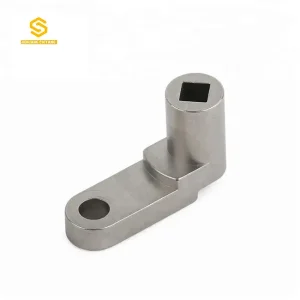
Wholesale Medical Scalpel By Metal Injection Molding Process MIM for Bangladesh Healthcare Tech
View Technical Details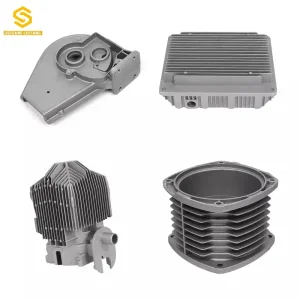
Zinc Alloy Die Casting for Bathroom Faucet & Plumbing Connect Parts for Bangladesh Infrastructure
View Technical Details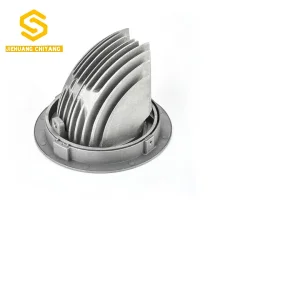
Precision Aluminium Alloy Die Casting Lighting & Industrial Housing Parts for Bangladesh Projects
View Technical Details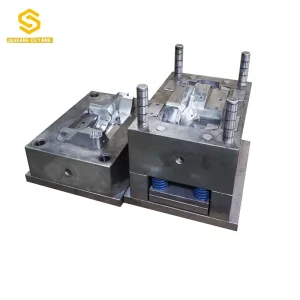
China High-Precision CNC Machining Service Aluminium Die Casting Tooling Molds for Overseas Factories
View Technical Details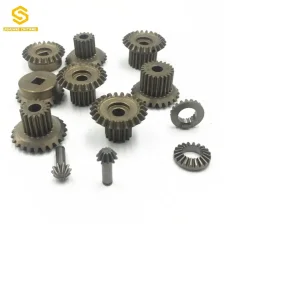
High Density Powder Metallurgy Auto Parts Wiper Motor Gear Assembly for Automotive OEMs
View Technical Details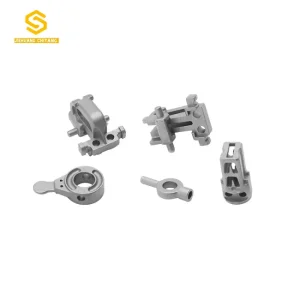
OEM Custom MIM Steel & Stainless Injection Molded Complex Mechanical Components
View Technical Details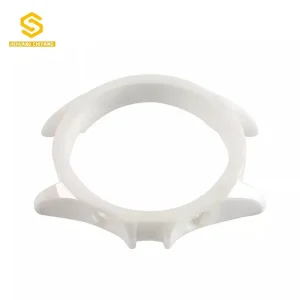
Customized Ceramic Injection Molding (CIM) Structural Components & Accessories
View Technical Details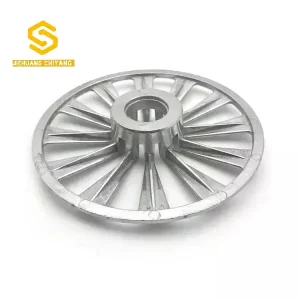
Short Lead Time Aluminum Alloy Die Casting for Auto Customization & Industrial Equipment
View Technical DetailsTurnkey Procurement & Logistics Framework for Bangladeshi Enterprise Buyers
Procuring micro precision metal parts internationally requires robust quality control protocols and seamless logistical handling. Ningbo Jiehuang Chiyang Electronic Tech Co., Ltd. (JHMIM) provides an integrated end-to-end framework tailored specifically to Bangladeshi trade regulations and engineering expectations:
- Design for Manufacturability (DFM) Audit: Every drawing (2D PDF + 3D STEP) submitted by Bangladeshi engineers undergoes a comprehensive DFM evaluation by our engineering team within 48 hours to optimize draft angles, wall uniformity, and sintering shrinkage factors.
- Quality Assurance & Certification: Production runs follow stringent ISO 9001 and IATF 16949 audit procedures. CMM dimensional reports, Material Composition Certificates (Spectrometer test), and FAI (First Article Inspection) approvals are furnished prior to export shipment.
- Port Logistics & Customs Optimization: Direct sea shipping routes connecting Ningbo/Shanghai ports to Chittagong (Chattogram) and Mongla ports. We provide full Form E documentation under Asia-Pacific Trade Agreements to assist buyers in securing favorable customs tariffs.
- Flexible Commercial Payment Terms: Supporting Letter of Credit (L/C at sight) and TT payments to align with Bangladesh Bank commercial banking regulations.
Frequently Asked Questions (FAQ) for Engineering Procurement
Technical and procurement answers for engineers, plant heads, and supply managers in Bangladesh.
What is the typical lead time for custom tooling and initial sample delivery to Bangladesh?
Tooling design, mold fabrication, and first-article sample production typically require approximately 30 days. Once initial samples (FAI) are approved by your quality team, mass production takes 15–20 days, followed by direct sea freight transit to Chittagong Port (12–16 days).
Can Jiehuang sign Non-Disclosure Agreements (NDA) before drawing submission?
Yes. We strictly respect your intellectual property rights. We routinely execute bilateral NDAs prior to reviewing proprietary 2D/3D CAD drawings. Your design files are stored on isolated, encrypted servers with strict internal access authorization.
What are the Minimum Order Quantities (MOQ) for MIM and PM products?
Our standard MOQ is 2,000 pieces for MIM parts, 5,000 pieces for powder metallurgy sintered components, and 2,000 pieces for aluminum/zinc die casting. For pilot runs and design verification stages, prototype quantities can be accommodated upon consultation.
How does MIM achieve near 100% relative density compared to traditional powder metallurgy?
MIM utilizes spherical micro-powders (typically 4–15 microns) mixed with binder systems. Vacuum sintering at near-melting temperatures (1350°C) allows atomic diffusion, resulting in 96–99% relative density, yielding tensile strengths and corrosion resistance virtually identical to wrought metals.
Do you support specialized surface finishing for tropical humid environments in Bangladesh?
Absolutely. To prevent oxidation and atmospheric corrosion in coastal and high-humidity environments, we offer salt-spray tested surface treatments including PVD coating, electro-polishing, passivation, black oxide, nickel plating, and anodizing.
Can you assist in material selection if our drawing lists an outdated alloy standard?
Yes. Our metallurgical laboratory can perform cross-material mapping (ASTM, DIN, JIS, GB standards) and recommend equivalent or superior modern alloys (such as replacing machined 304 with 17-4PH MIM) to boost mechanical performance while reducing costs.
Ready to Upgrade Your Manufacturing Supply Chain in Bangladesh?
Submit your 2D and 3D drawings today. Receive an engineer-reviewed DFM report, material assessment, and complete pricing quotation within 48 hours.
Send Inquiry Now