
High-Precision Industrial Solutions for UAE Engineering
Engineered for extreme performance in Gulf climatic conditions, harsh operating environments, and demanding energy infrastructure applications.
The Macroeconomic Landscape: UAE’s Industrial Transformation & Precision Metallurgy Demand
Analyzing the synergy between China’s advanced manufacturing infrastructure and the United Arab Emirates’ national strategy to build a AED 300 billion industrial ecosystem by 2031.
1. The UAE Industrial Shift: Operation 300bn & "Make it in the UAE"
The United Arab Emirates is undergoing a historic economic transformation. Guided by national industrial roadmaps such as Operation 300bn, Dubai Economic Agenda D33, and Abu Dhabi’s Industrial Strategy, the country is expanding its focus from traditional hydrocarbons, real estate, and trade logistics into high-tech manufacturing, defense tech (EDGE Group), aerospace maintenance (Mubadala/Strata), automotive assembly, renewable energy (DEWA, Masdar projects), and advanced medical device manufacturing.
However, scaling high-value domestic production within economic zones like JAFZA (Jebel Ali Free Zone), KEZAD (Khalifa Economic Zones Abu Dhabi), Dubai South, and Dubai Industrial City presents a unique challenge: local fabrication shops often lack the capital-intensive infrastructure required to produce high-volume, hyper-tolerant metal components at scale. Traditional subtractive CNC machining for complex 3D metal components introduces exorbitant material waste, slow cycle times, and inflated unit production costs.
2. Why Chinese Manufacturing Capabilities Match UAE Industrial Intent
China stands as the worldwide epicenter of Powder Metallurgy (PM), Metal Injection Molding (MIM), and high-precision casting technologies. Facilities located in tier-1 manufacturing hubs like Ningbo combine massive industrial clustering with continuous R&D investments. For GCC procurement managers and industrial OEMs, partnering directly with verified Chinese OEM factories yields substantial strategic advantages:
- Unmatched Material Versatility: Direct synthesis of 17-4PH, 316L, 304L stainless steels, titanium alloys (Ti-6Al-4V), tungsten heavy alloys, and specialized magnetic materials.
- Capital Optimization: Tooling amortized across medium-to-high production volumes drops landed component cost by 30% to 50% compared to Western European or North American suppliers.
- Rapid Prototype Verification: Integration of binder-jetting metal 3D printing allows UAE design teams to test functional physical prototypes in days before cutting hard tool steel molds.
Engineering Applications Tailored for GCC Industry Needs
Custom component solutions developed to perform under extreme ambient temperatures, saline dust exposure, and rigorous operational demands in the Middle East.
Oil & Gas, Valves & Saline Desalination
The UAE’s massive oilfield infrastructure (ADNOC ecosystem) and SWRO desalination plants require extreme corrosion resistance. Our 17-4PH and 316L stainless steel MIM valve parts, flow controller nozzles, and pump impellers are engineered for hydrogen sulfide (H2S) and high-salinity exposure, guaranteeing zero pitting and exceptional fatigue life.
Aerospace, Defense & Tactical UAV Systems
In partnership with defense assemblies and commercial drone integrators in Abu Dhabi and Dubai, we provide Titanium MIM (TiMIM) components and micro gear trains. These ultra-lightweight, high-strength structural linkages offer maximum payload savings and thermal stability across intense desert climate cycles (+50°C daytime ambient).
Smart Automotive & EV Fleet Assemblies
As the UAE accelerates electric vehicle (EV) adoption and regional automotive assembly, our IATF 16949-certified factory supplies high-density sintered timing gears, planetary gearboxes, door lock actuation mechanisms, and thermal management sensor housings designed for heavy vehicle usage.
Technical Roadmap & Metallurgy Horizons (2025–2030)
How next-generation metal powder formulation and automated sintering processes are changing precision manufacturing for GCC OEMs.
1. Titanium Metal Injection Molding (TiMIM) & Ceramic (CIM)
Traditional Ti-6Al-4V machining yields over 70% material waste. Our advanced TiMIM technology delivers biocompatible, high-strength titanium parts with complex internal channels directly out of the sintering furnace. Simultaneously, Ceramic Injection Molding (CIM) using Zirconia (ZrO2) and Alumina (Al2O3) provides zero-corrosion, extreme wear components for medical scalpels, luxury watch casings, and high-voltage electrical insulators.
2. AI-Assisted Mold Flow & Debinding Simulation
Eliminating sink marks, weld lines, and differential shrinkage during thermal sintering is critical for micro-tolerances. By implementing finite element thermal simulation software during the tool design stage, our technical engineering team guarantees a continuous density gradient (>98% theoretical density) and predicts linear shrinkage within 0.15% accuracy before mold machining begins.
China Factory Supply Chain Resilience & Efficiency Advantages
Direct export from Ningbo’s elite industrial port cluster directly to Dubai Jebel Ali Port and Abu Dhabi Khalifa Port.
Location & Port Access
Operating out of Ningbo, Zhejiang—home to the world’s largest cargo port, Ningbo-Zhoushan—gives our production facility direct, non-stop ocean container transit lines to Jebel Ali Port (Dubai) in 14–16 days, and express air freight to Dubai International (DXB) or Al Maktoum (DWC) within 3 days.
Full Process Integration
From custom powder feedstock blending, mold design and CNC tooling, through continuous atmosphere sintering furnaces, to secondary CNC machining, heat treatment, and surface plating (PVD, Anodizing, Passivation)—100% of operations remain strictly in-house.
Uncompromised Quality Control
Every single export batch shipped to UAE clients undergoes comprehensive CMM 3D dimensional verification, material composition spectrographic testing (XRF), salt spray corrosion testing (ASTM B117), and density checks certified under IATF 16949 standards.
Comprehensive Custom Precision Parts Directory
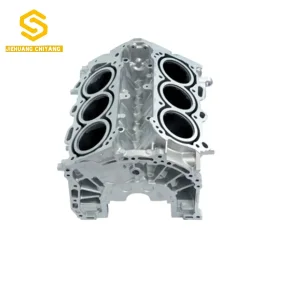
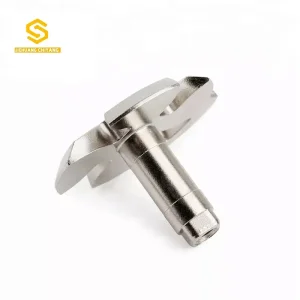
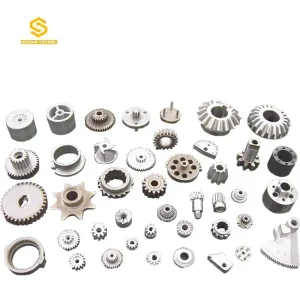
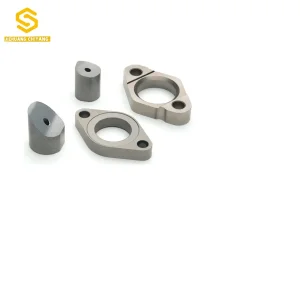
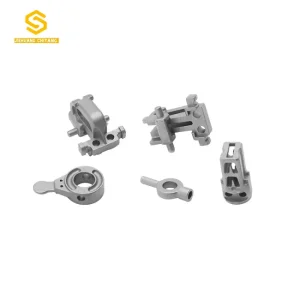
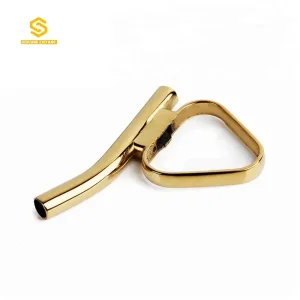
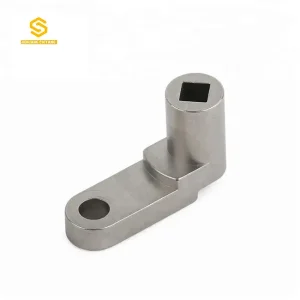
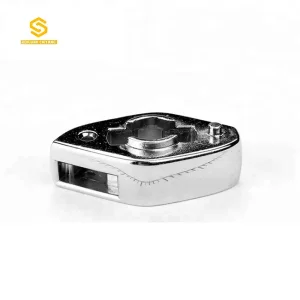
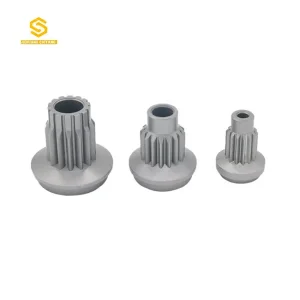
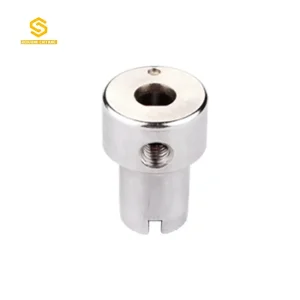
Explore our core sintered powder metallurgy, MIM, stainless steel, and specialty alloy OEM parts manufactured for international distribution.
Localized Support & GCC Compliance Assurance
Facilitating seamless commercial transactions, customs clearing, and technical compliance across the United Arab Emirates and broader GCC markets.
Customs, Tariffs & CEPA Trade Corridor
Under the expanding bilateral economic partnerships between China and the UAE (CEPA frameworks), customs tariffs on industrial capital parts and machinery inputs are streamlined. We provide complete documentation including Certificate of Origin (CO) issued by CCPIT, Ministry of Foreign Affairs attestation readiness (MoFAIC), and standardized HS Code classification for zero-delay customs clearance at Jebel Ali, Port Khalid, or Khalifa Port.
Standards & Certification Compliance
All component shipments comply with Middle Eastern and international regulatory mandates: MoIAT (Ministry of Industry and Advanced Technology) regulations, ESMA standards, GCC Standardization Organization (GSO) rules, RoHS, REACH, and ISO 9001:2015 / IATF 16949 quality protocols. Full material test reports (MTR) according to EN 10204 3.1 accompany every lot.
Engineering FAQ: B2B Procurement & Technical Guidance
Direct answers to critical questions asked by procurement heads, manufacturing engineers, and project managers in the UAE market.
Ready to Optimize Your OEM Metal Parts Procurement?
Submit your 2D/3D component drawings today. Receive a comprehensive DFM manufacturability review and transparent factory quotation within 48 hours.