
Precision Automotive MIM Solutions
Featured powder metallurgy and metal injection molded components optimized for high-volume automotive assembly lines in Istanbul and global markets.

Istanbul Automotive Grade MIM Mechanical Power Components

MIM Components for Automotive Oil & Fuel Injection Pumps
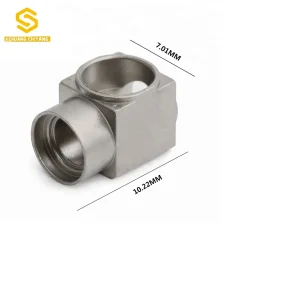
High-Precision Micro MIM Parts for Istanbul Sensor Systems

Sintered Structural Alloy Steel Parts for Powertrain Systems
The Strategic Role of MIM in Istanbul's Automotive Ecosystem
Evaluating the technical and economic requirements of Tier-1 and OEM suppliers across the Marmara Industrial Cluster.
The greater Istanbul metropolitan area, seamlessly interconnected with key automotive manufacturing hubs such as Kocaeli, Gebze (GOSB), Bursa, and Sakarya, constitutes the beating heart of Eurasia’s automotive manufacturing sector. Hosting major global OEMs—including Ford Otosan, Oyak Renault, Tofaş (Stellantis), Toyota Motor Manufacturing Turkey, Hyundai Assan, and Karsan—as well as hundreds of specialized Tier-1 and Tier-2 component suppliers, the Marmara region places stringent performance demands on metal part engineering.
As modern vehicles transition toward higher powertrain efficiency, compact lightweight design, and electrifying architectures, conventional manufacturing methods such as multi-axis CNC machining, press-and-sinter powder metallurgy, and traditional investment casting face unprecedented technical limitations. Complex 3D geometries, undercut internal structures, and hard-to-machine alloys (such as 17-4PH stainless steel, Fe-Ni low alloys, and magnetic materials) lead to exorbitant material scrap rates and high tool-wear overheads when machined conventionally.
Herein lies the competitive breakthrough of Metal Injection Molding (MIM). Combining the geometrical freedom of plastic injection molding with the structural density and tensile strength of wrought metal, MIM provides automotive procurement teams and design engineers serving the Istanbul automotive market with near-net-shape components that completely eliminate redundant secondary machining.
Information Gain Insight: Strategic Sourcing for Istanbul Tier-1 Suppliers
By shifting complex powertrain, turbocharger, and electronic actuator hardware from 5-axis CNC milling to high-volume Metal Injection Molding (MIM), automotive tier-suppliers located around Istanbul report average component weight reductions of 15% to 30%, material yield optimization exceeding 95%, and landed piece-cost savings of up to 45% over multi-stage production runs.
Technical Deep-Dive: Metallurgy & Process Engineering
Understanding the microstructural density, material selection, and tolerances achievable through advanced MIM manufacturing.
Ultra-Fine Atomized Powders
Utilizing spherical gas-atomized and carbonyl metal powders (D50 particle size: 4–15 μm). This ensures homogeneous binder mixing, optimal flowability during injection molding, and high sintered densities of 96% to 99% theoretical density.
Catalytic & Solvent Debinding
Advanced two-stage debinding (solvent extraction followed by thermal or nitric acid catalytic debinding) thoroughly removes multi-component polymer binders without inducing micro-cracks, thermal distortion, or residual carbon contamination.
High-Vacuum Sintering
Atmosphere-controlled vacuum and hydrogen sintering furnaces operating up to 1380°C. Sintering achieves metallurgical bonding, grain growth refinement, and mechanical properties equivalent to wrought alloy standards (ASTM, MPIF Standard 35).
Processes Comparison for Automotive Metal Fabrication
| Manufacturing Process | Achievable Density | Geometrical Complexity | Surface Finish (Ra) | Material Utilization Rate | Economic Threshold (Annual Volume) |
|---|---|---|---|---|---|
| Metal Injection Molding (MIM) | 96% – 99% | Ultra-High (Internal Threads, 3D Undercuts) | 1.0 – 1.6 μm | > 95% | 2,000 to 1,000,000+ pcs |
| 5-Axis CNC Machining | 100% (Wrought Bar) | High (Tool Access Constrained) | 0.4 – 0.8 μm | 15% – 40% (High Scrap) | 1 to 1,000 pcs |
| Press & Sinter (PM) | 85% – 92% | Medium (2.5D Axial Profiles) | 1.6 – 3.2 μm | > 90% | 5,000 to 500,000+ pcs |
| Investment Casting | 92% – 95% | High | 3.2 – 6.3 μm | 60% – 70% | 500 to 10,000 pcs |
Localized Applications Across Istanbul Automotive Production Lines
Where custom sintered and MIM components are currently driving efficiency and quality across Turkish assembly plants.
VVT & Powertrain Systems
Variable Valve Timing (VVT) rotors, vanes, camshaft phaser components, and turbocharger wastegate linkage levers fabricated in Fe-Ni-C low alloy steel for extreme fatigue resistance and thermal stability.
Door Locks & Safety Mechanisms
High-strength 17-4PH stainless steel door latch pawls, striker cams, seat belt retractor teeth, and steering column lock mechanisms engineered to sustain heavy impact loads without deformation.
EV Thermal & Electronic Actuators
Next-generation Electric Vehicle (EV) components, including high-conductivity busbar connectors, coolant valve manifolds, battery management sensor mounts, and autonomous vehicle LIDAR/Radar camera bracket housings.
Transmission & Gearbox Hardware
Custom sintered spur gears, helical gears, shift synchronizer hub keys, and dual-clutch transmission (DCT) selector fingers designed for high-torque impact resilience.
Why Partnering with a Premier Chinese MIM Manufacturer Optimizes Istanbul Sourcing
Combining Ningbo's world-class metallurgy manufacturing hub with Turkey's dynamic automotive assembly ecosystem.
50% Tooling Cost Advantage
In-house precision toolmaking, mold EDM, and CNC wire-cutting capabilities located in Ningbo allow tooling investments at roughly half the cost of Western European tooling shops, accelerating your project ROI.
Rapid DFM & Prototype Delivery
Full Design for Manufacturability (DFM) reviews completed within 24–48 hours. Metal 3D printing (DMLS) prototypes delivered within 7–10 days prior to commitment to mass production tooling.
Seamless Maritime & Air Logistics
Direct ocean shipping routes connecting Ningbo Port to major Turkish ports (Ambarlı, Haydarpaşa, Gebze Yılport) with transit lead times managed via strategic buffer stocks and DDP customs clearing.
Strict Standards for Global & Local Procurement
Ensuring zero-defect manufacturing, complete traceability, and international regulatory compliance for automotive assemblies.
IATF 16949 & ISO 9001 Certified
Our manufacturing lines strictly follow IATF 16949 quality protocols, enforcing rigorous SPC (Statistical Process Control), FMEA, and Control Plans throughout every sintering batch.
IMDS & PPAP Level 3 Documentation
Complete submission of Production Part Approval Process (PPAP Level 3) documentation, material test reports, CMM full-dimensional inspection charts, and IMDS system registration for full automotive compliance.
REACH, RoHS & EU Green Deal Ready
All raw materials comply with EU REACH regulations and RoHS directives. Near-net-shape processing dramatically lowers carbon footprint and raw material waste compared to traditional milling.
Automotive & Industrial MIM / Powder Metallurgy Catalog
Explore our extensive portfolio of customized sintered components serving Istanbul tier suppliers and worldwide OEMs.

Sintered Structural Components for Automotive Powertrains

OEM Powder Metallurgy Precision Structural Sintered Parts

MIM High Precision Auto Door Latch & Lock Mechanism Parts

Custom Automotive Grade MIM Hardware & Actuator Brackets

Corrosion-Resistant Stainless Steel 316L MIM Automotive Fittings

Custom Sintered Powder Metallurgy Automotive Spur Gears

Small Stainless Steel 316L Motor Gear Assembly Components

Precision CNC Finished Sintered PM Automotive Steering Parts
Frequently Asked Questions by Automotive Buyers in Istanbul
Expert answers addressing lead times, quality management, material selections, and logistics for Turkish automotive OEMs.
Why is Metal Injection Molding (MIM) preferred over CNC machining for Istanbul automotive projects?
MIM allows the mass production of complex, 3D geometric metal components with undercuts, internal threads, and thin walls in a single operation. Unlike CNC machining, which chips away up to 70% of material as waste, MIM achieves over 95% material utilization. This provides landed piece-cost savings between 30% and 50% for annual volumes exceeding 2,000 units while delivering physical properties comparable to wrought metals.
How does your factory ensure compliance with IATF 16949 automotive quality standards?
We operate an audited IATF 16949:2016 quality management system. Every automotive order undergoes APQP (Advanced Product Quality Planning), PPAP Level 3 approval, full CMM dimensional validation, density testing, metallographic grain structure analysis, and 100% key dimension automated optical sorting before shipment.
What materials are available for automotive MIM components shipped to Turkey?
We supply a wide range of standard and specialized alloys, including stainless steels (17-4PH, 316L, 304L, 420), low-alloy structural steels (Fe-2Ni, Fe-8Ni, 8620), soft magnetic alloys (Fe-Si, Fe-Ni), high-temperature alloys (HK30), and lightweight Titanium (Ti-6Al-4V) upon request.
What is the typical lead time for tooling, prototyping, and mass delivery to Istanbul?
Engineered DFM feedback and official quotations are issued within 48 hours. Tooling construction and initial T1 samples take approximately 25 to 30 days. Express metal 3D printing prototypes can be delivered in as little as 7 days. Sea freight from Ningbo to Istanbul ports (Ambarlı/Gebze) averages 24 to 28 days, while air freight takes 4 to 6 days.
Can you assist with dual-sourcing strategies and customs compliance under the EU-Turkey Customs Union?
Yes. We work closely with procurement officers in Turkey to supply complete ATR / Certificate of Origin documentation, IMDS filings, and DDP (Delivered Duty Paid) shipping solutions, simplifying integration into your Istanbul or Bursa plant inventory system.
Accelerate Your Automotive Project in Istanbul
Send us your 2D (PDF) and 3D (STEP) CAD drawings today. Receive an engineer-reviewed DFM report and transparent mold/unit price quotation within 48 hours.
Send Inquiry Now