
Primary Medical MIM Parts for Seoul MedTech OEMs
Engineered for high density, complex geometries, and biological safety compliance in South Korea’s leading medical device clusters.
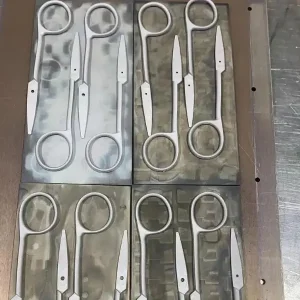
MIM Titanium Scalpel Handles (Seoul Medical Series)
View Technical Specs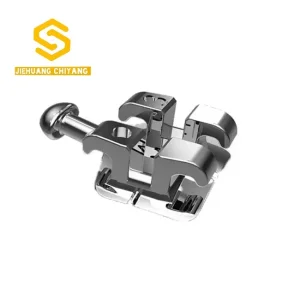
Orthodontic MIM Mesh Base Metal Brackets
View Technical Specs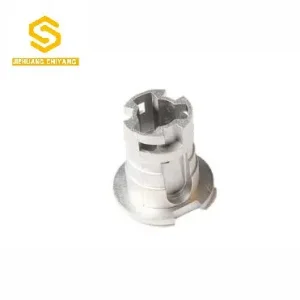
Precision Metal Injection Molding Medical Parts
View Technical Specs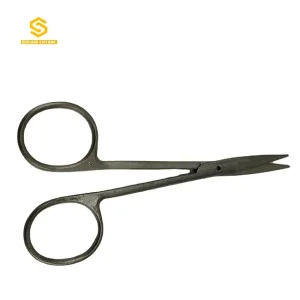
Medical Surgery Stainless Steel Forceps Components
View Technical SpecsNeed Custom Micro-MIM Engineering for the Seoul Market?
Upload your STEP/PDF drawings for a free Design for Manufacturability (DFM) analysis and precise unit quotation within 48 hours.
Send Inquiry NowSeoul Medical Technology Landscape & Advanced MIM Integration
Analyzing the synergy between South Korean bio-cluster demands, advanced powder metallurgy, and China's Industry 4.0 manufacturing resilience.
1. The Industrial Reality of Seoul's Medical Technology Ecosystem
The Metropolitan Seoul area—encompassing strategic biotechnology and medical innovation hubs such as the Magok Smart Tech City, Digital Media City (DMC), Songpa-Gangdong Bio Cluster, and nearby Songdo Bio Cluster—has evolved into one of Asia's most prominent epicenters for surgical robotics, aesthetic medical devices, and minimally invasive surgery (MIS) instrumentation. Driven by South Korea's Ministry of Food and Drug Safety (MFDS) regulatory standards and global export strategies, Seoul-based original equipment manufacturers (OEMs) demand unprecedented levels of component repeatability, biocompatibility, and structural integrity.
As medical devices shrink in scale while increasing in mechanical complexity, traditional subtractive manufacturing (such as multi-axis CNC milling) hits both economic and physical limitations. Producing high-volume micro-articulating hinges, bio-grade titanium scalpel locks, or complex dental brackets via conventional machining yields extreme material waste (chip load exceeding 80%) and prohibitively high unit prices. This structural manufacturing bottleneck is precisely where wholesale Metal Injection Molding (MIM) technology presents a transformative value proposition for Seoul medtech enterprises.
2. Global Procurement Dynamics & Global Commercial Trends
Globally, the medical Metal Injection Molding sector is projected to expand at a CAGR exceeding 8.8%, driven primarily by the global adoption of robotic-assisted surgical platforms (such as da Vinci systems and domestic Korean surgical innovations) and the expansion of orthodontic solutions. Global medical technology OEMs are shifting away from fragmented multi-vendor supply networks to consolidated tier-1/tier-2 manufacturing partners who offer integrated powder metallurgy, feedstock formulation, vacuum sintering, and secondary high-precision finishing under a unified quality management system.
To maintain competitiveness in international healthcare markets, Seoul medtech procurement directors require suppliers capable of guaranteeing:
- Near-Net-Shape Precision: Achieving over 98% material utilization directly out of the sintering furnace.
- Biocompatible Metallurgical Purity: Strict compliance with ISO 10993 standards using high-grade 17-4PH, 316L stainless steel, Ti-6Al-4V titanium, and Cobalt-Chromium alloys.
- Supply Chain Traceability: Complete batch lot control from raw elemental metal powders to final passivation and sterilization packaging.
China Industry 4.0: Supply Chain Resilience for Seoul
How Ningbo JHMIM leverages state-of-the-art automated compaction, continuous sintering, and strategic geographical logistics to serve South Korea.
Automated Feedstock & Molding
Using custom binder formulations combined with fine spherical metal powders (<22µm), our automated injection molding machines ensure homogeneous density distribution and zero internal voiding in micro-medical geometries.
Vacuum & Debinding Technology
Equipped with high-efficiency catalytic debinding units and computer-controlled atmosphere vacuum sintering furnaces. We achieve consistent sintered densities up to 99.2% of theoretical density.
Geographic & Logistic Proximity
Located in Ningbo, China, JHMIM provides rapid air shipping (24-48 hours to Incheon Airport) and fast sea freight routes, drastically reducing buffer stock lead times for Seoul assembly lines.
Metallurgical Selection Guide for Medical MIM Applications
Different clinical applications demand tailored material properties. Below is our engineering comparison matrix designed for medical device designers and procurement officers in Seoul:
| Material Alloy | Tensile Strength (MPa) | Yield Strength (MPa) | Hardness (HRC) | Primary Medical Application |
|---|---|---|---|---|
| MIM 17-4PH (Martensitic SS) | 1,150 | 1,000 | 38 - 42 | Surgical forceps, endo-cutter staples, robotic instrument jaws |
| MIM 316L (Austenitic SS) | 520 | 210 | 75 - 85 (HRB) | Endoscopic components, orthodontic brackets, fluid control valves |
| TiMIM Ti-6Al-4V (Grade 5 Titanium) | 900 | 830 | 30 - 36 | Biocompatible scalpels, implantable clips, lightweight orthopedic tools |
| Co-Cr-Mo Alloy (ASTM F75) | 950 | 600 | 25 - 35 | Dental implants, joint reconstruction components, wear plates |
Localized Medical Application Scenarios in Seoul
Addressing specific manufacturing requirements across South Korea's high-tech clinical sectors.
1. Minimally Invasive & Laparoscopic Surgery Tools
In hospitals across Seoul (such as Seoul National University Hospital and Asan Medical Center ecosystem suppliers), laparoscopic surgery is standard. MIM enables the production of extremely complex multi-piece articulating jaws, scissors, and graspers with micro-serrations. By combining three separate machined sub-components into a single consolidated MIM part, we eliminate assembly steps and decrease failure rates during high-frequency actuation.
2. Robotic Surgery Actuators & Micro-Gears
Seoul’s surgical robotics R&D labs require ultra-small internal drive gears, pulleys, and cable guidance housings. Traditional gear hobbing struggles with module pitch under 0.3m. JHMIM’s micro-powder injection molding yields precision spur gears and bevel gears with surface finishes as fine as Ra 0.8 µm directly after sintering, maintaining optimal dimensional stability under high torsional load.
3. Orthodontic Mesh Base Brackets & Dental Implants
South Korea leads globally in cosmetic dental innovation. Our MIM mesh base orthodontic brackets feature undercut micro-retention grids molded directly into the bracket base, enhancing bond strength to tooth enamel without needing secondary acid etching or manual mesh welding. Made with nickel-free or low-nickel 316L, these brackets offer maximum patient comfort and aesthetic appeal.
4. Titanium Scalpel Handles & Ergonomic Grips
Using Titanium MIM (TiMIM), JHMIM manufactures lightweight, non-magnetic, corrosion-resistant scalpel handles tailored for high-precision ophthalmic and neurosurgical operations. The integrated anti-slip texturing on ergonomic handles is molded directly during the injection phase, eliminating costly post-process laser etching.
Frequently Asked Questions by Seoul MedTech Buyers
Addressing technical compliance, lead times, quality assurance, and manufacturing parameters.
Additional MIM & Precision Components for Global & Local Buyers
Explore our full range of sintered structural parts, customized handles, gears, and specialty die-cast solutions.
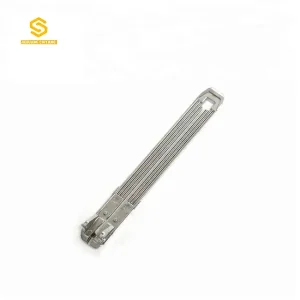
High Density Sintered Medical Metal Components
View Technical Specs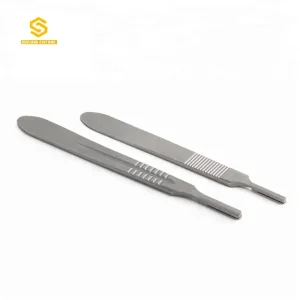
Custom Medical Knife Handle MIM Assemblies
View Technical Specs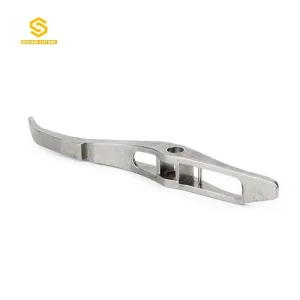
Powder Metallurgy Surgical Instrument Handles
View Technical Specs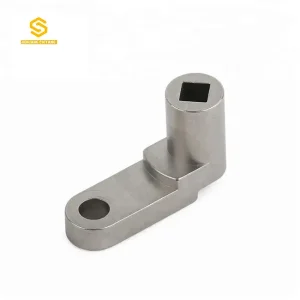
Metal Injection Molded Surgical Scalpels
View Technical Specs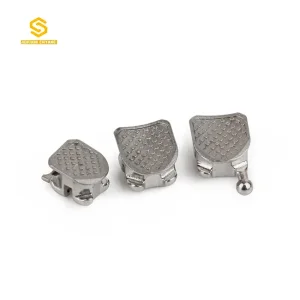
MIM Dental Orthodontic Brackets (Seoul Series)
View Technical Specs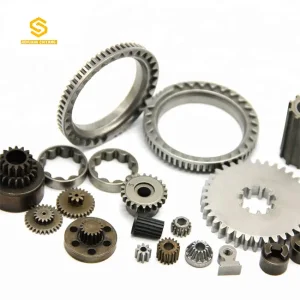
Customized Precision Sintered Spur Gears
View Technical Specs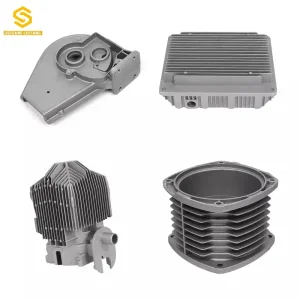
Precision Zinc Alloy Die Cast Connecting Parts
View Technical Specs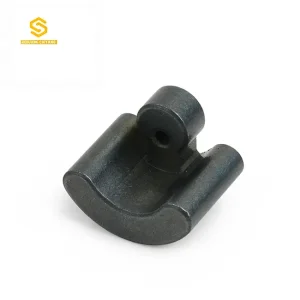
High-Precision Machinery MIM Steel Components
View Technical SpecsPartner with a Certified Medical MIM Manufacturer
Take advantage of our 20+ years of powder metallurgy expertise. Get engineer-backed DFM insights and competitive wholesale pricing today.
Send Inquiry Now