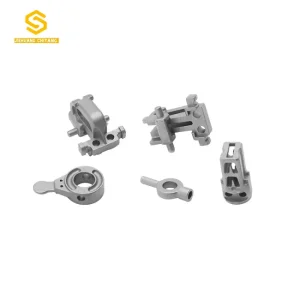
Featured Zinc Die Casting Products for Peruvian Industry
Engineered for high mechanical strength, anti-corrosion resilience, and zero-defect dimensional consistency.
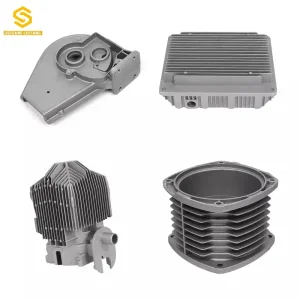
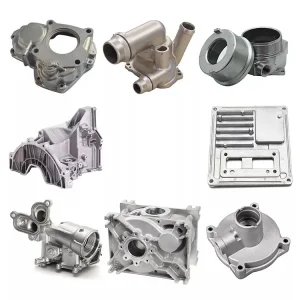
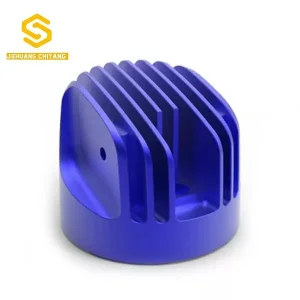
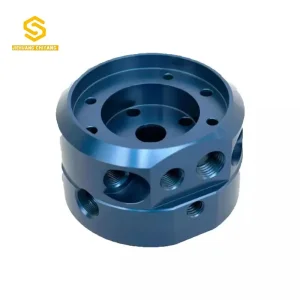
The Industrial & Commercial Landscape of Zinc Die Casting in Peru
Navigating Peru's evolving manufacturing ecosystem, mining infrastructure expansion, and regional demand dynamics.
Peru stands as one of South America's most dynamic and resilient economies. Renowned globally as a primary mining powerhouse—ranking among the world's top producers of zinc, copper, and silver—Peru presents a unique economic dichotomy. While the country extracts massive volumes of raw zinc concentrate from mineral-rich regions like Ancash, Pasco, and Junín, its domestic downstream manufacturing infrastructure for high-precision zinc alloy die casting remains developing. Consequently, industrial buyers, original equipment manufacturers (OEMs), architectural hardware brands, and automotive importers in Peru heavily rely on global wholesale zinc die casting suppliers to bridges this gap.
In major industrial and urban centers such as Lima, Callao, Arequipa, Trujillo, and Chiclayo, demand for high-density, thin-walled, corrosion-resistant zinc die cast components (specifically Zamak alloys) has experienced exponential growth. This demand is fueled by three core national economic pillars:
1. Construction & Architectural Hardware
Peru's rapid urbanization and commercial real estate development require millions of structural lock bodies, door handles, window latches, decorative hinges, and bathroom sanitary fittings crafted via zinc die casting due to its pristine surface finishing and impact strength.
2. Mining Machinery & Heavy Safety Gear
Mining operations managed by firms like Antamina, Cerro Verde, and Southern Copper require heavy-duty spark-proof electrical enclosures, explosion-proof conduit fittings, mechanical latches, and structural valves designed with Zamak alloys to endure high impact without sparking in volatile underground environments.
3. Automotive & Transportation Aftermarket
With an expanding vehicular fleet across Peru—ranging from commercial haulers to urban public transit and mototaxis—there is a high-volume market for replacement carburetor components, fuel pump bodies, wiper arm gears, door lock cylinders, and ignition housings.
Strategic Insight for Peruvian Sourcing Officers
Local Peruvian foundries predominantly focus on sand casting or low-volume aluminum gravity casting. When Peruvian enterprises require high-volume production exceeding 5,000 units with tight dimensional tolerances (±0.015mm), zero machining requirements, and mirror-like chrome or electroplated finishes, partnering with advanced Chinese OEM factories represents the most cost-efficient and technologically sound strategy.
Why Zamak Alloys Outperform Alternative Metals in South America
Analyzing physical strength, fluid castability, mold longevity, and coastal corrosion resistance.
When engineering components for the demanding Peruvian geography—ranging from high-humidity coastal zones like Lima (with its infamous high-salinity coastal fog, Garúa) to high-altitude mining environments in the Andes—selecting the correct metallurgical alloy is paramount. High-pressure zinc die casting using specialized Zamak alloys (Zamak 3, Zamak 5, Zamak 2) and Zinc-Aluminum alloys (ZA-8, ZA-12, ZA-27) provides distinct structural and economic advantages over traditional aluminum die casting, brass hot forging, or CNC steel machining.
Key Technical Advantages of Precision Zinc Die Casting
Superior Thin-Wall Fluidity & Intricate Geometry
Zinc alloys possess exceptional liquid fluidity and a low melting point (~380°C to 420°C). This allows hot-chamber die casting machines to fill micro-cavities down to 0.6 mm wall thickness with zero draft angles on specific features. Complex internal threads, gear teeth, logos, and intricate heat dissipation fins can be cast directly without requiring secondary CNC milling.
Unmatched Tooling Longevity (1,000,000+ Shots)
Because zinc melts at a significantly lower temperature than aluminum (660°C) or brass (900°C), die casting molds experience virtually zero thermal shock or soldering erosion. A steel die casting mold for Zamak 3 routinely yields over 1,000,000 to 2,000,000 production cycles, amortizing initial tooling costs down to fractions of a cent per unit for Peruvian wholesale buyers.
Exceptional Surface Finishing & Plating Adhesion
Zinc castings emerge from high-pressure dies with an extremely smooth, non-porous surface skin. This makes Zamak the preferred metal substrate for decorative electroplating (satin nickel, bright chrome, antique bronze, gold), powder coating, and salt-spray resistant passivation essential for coastal Peruvian construction projects.
EMI/RFI Shielding & Electrical Conductivity
Zinc die cast housings provide natural electromagnetic interference (EMI) and radio-frequency interference (RFI) shielding. This critical property is extensively utilized in telecommunications gear, electronic meters, and industrial mining control boxes installed across Peru.
Metallurgical Performance Comparison Matrix
Understanding the mechanical properties of popular die casting alloys imported into the South American market:
| Property / Parameter | Zamak 3 (Zinc Alloy) | Zamak 5 (Zinc Alloy) | ZA-8 (Zinc-Aluminum) | A380 (Aluminum Alloy) | C36000 (Brass Forging) |
|---|---|---|---|---|---|
| Tensile Strength (MPa) | 283 MPa | 331 MPa | 374 MPa | 324 MPa | 390 MPa |
| Yield Strength (MPa) | 209 MPa | 250 MPa | 290 MPa | 160 MPa | 180 MPa |
| Impact Strength (J) | 56 J (High ductility) | 48 J | 42 J | 4 J (Brittle) | 25 J |
| Melting Range (°C) | 381 - 387 °C | 380 - 386 °C | 375 - 404 °C | 538 - 593 °C | 885 - 900 °C |
| Die Life Expectancy | > 1,500,000 shots | > 1,000,000 shots | > 750,000 shots | ~ 100,000 shots | ~ 50,000 shots |
| Dimensional Tolerance | ±0.015 mm / mm | ±0.015 mm / mm | ±0.020 mm / mm | ±0.035 mm / mm | Requires Machining |
| Coastal Salt-Spray Rating | Excellent (Plated) | Excellent (Plated) | Superior | Moderate (Oxidizes) | Good (Tarnishes) |
China OEM Manufacturing Powerhouse Meets the Peruvian Market
Leveraging China-Peru Free Trade Agreement (TLC China-Perú) and the historic Megaport of Chancay (Puerto de Chancay).
Sourcing precision custom die castings directly from an established Chinese OEM manufacturer like Ningbo Jiehuang Chiyang Electronic Tech Co., Ltd. (JHMIM) gives Peruvian enterprises a profound competitive edge in pricing, speed to market, and technical execution.
Key Supply Chain Drivers for Peruvian Procurement Officers:
1. The Puerto de Chancay Revolution (Reduced Shipping Times)
With the inauguration of the mega-deepwater Port of Chancay located north of Lima, direct maritime shipping lanes between China's major manufacturing hubs (Ningbo/Shanghai) and Peru have cut transit times dramatically from 35-40 days down to approximately 23 to 25 days. This logistics shift dramatically lowers ocean freight costs, inventory holding costs, and lead times for Peruvian factories.
2. Tariff Advantages via TLC China-Perú
Under the China-Peru Free Trade Agreement (Tratado de Libre Comercio China-Perú), qualified custom metal parts, zinc alloy castings, and industrial molds benefit from 0% or substantially reduced import duties (Arancel Preferencial) when accompanied by a valid Certificate of Origin (Form F). This enhances profit margins for Peruvian distributors and original equipment builders.
3. Comprehensive In-House Tooling & DFM Engineering
Our engineering team performs a thorough Design for Manufacturability (DFM) analysis on every 2D PDF and 3D STEP drawing submitted. We analyze mold flow, draft angles, wall thickness variations, porosity risk, and gating placement before cutting steel, ensuring zero tooling rework and rapid prototyping.
4. Automated Hot-Chamber Die Casting Fleet
Operating hot-chamber zinc die casting machinery ranging from 30 Tons to 400 Tons clamping force equipped with robotic extractors, automated spray units, and trim presses, we guarantee precise density, zero internal voids, and high-volume repeatability up to millions of pieces per month.
Zinc Die Casting Application Scenarios Across Peruvian Industries
Custom component solutions tailored for local regional demands, environmental challenges, and operational standards.
Architectural Hardware & Locks (Lima & Callao)
Peruvian security lock suppliers utilize high-torque Zamak 5 lock bodies, deadbolt cylinders, decorative handles, and heavy-duty window pulleys capable of enduring high humidity without internal oxidation or surface peeling.
Mining & Power Utility Fittings (Andean Region)
Heavy mining infrastructure in Huancayo, Cajamarca, and Arequipa utilizes zinc alloy conduit connectors, explosion-proof junction boxes, structural valve handles, and sensor housings that exhibit zero spark risks in explosive atmospheres.
Automotive Replacement Parts & Commercial Fleets
Distributors supplying the auto parts hubs in La Victoria and San Martín de Porres import bulk zinc carburetor components, windshield wiper gearboxes, door latch mechanisms, and starter motor end caps built to original OEM dimensions.
Sanitary Ware, Plumbing Valves & Gas Regulators
Plumbing suppliers catering to SEDAPAL infrastructure projects and domestic gas distribution networks in Peru specify chrome-plated Zamak valve handles, gas regulator housings, and pipe coupling clamps due to zero leakage pressure tightness.
Agricultural Equipment & Irrigation Controls
Commercial agro-exporters in Ica and La Libertad deploy automated drip irrigation solenoid valve bases, spray nozzle assemblies, and control module cases cast from corrosion-resistant zinc alloys capable of resisting agricultural chemicals.
Quality Assurance & Localized Logistics Support for Peru Imports
Navigating SUNAT customs clearance, INCOTERMS (DDP Callao/Chancay), and certified quality verification.
Importing manufactured custom components into Peru requires strict adherence to international metallurgical standards and local regulatory frameworks overseen by SUNAT (Superintendencia Nacional de Aduanas y de Administración Tributaria). At JHMIM, we provide turn-key export management to make sourcing seamless for Peruvian companies.
Certified Quality Systems (IATF 16949 / ISO 9001)
Our quality lab is equipped with Zeiss CMM (Coordinate Measuring Machines), optical profile projectors, spectrometer material analyzers, and X-ray flaw detectors ensuring 100% critical dimension verification and zero internal porosity before dispatch.
Flexible INCOTERMS: FOB, CIF & DDP Callao/Chancay
We accommodate your procurement preferences—whether your company operates its own freight forwarding contracts out of Ningbo (FOB) or requires full Door-to-Door Delivered Duty Paid (DDP) shipping directly to your warehouse in Lima or Arequipa with all import tariffs paid.
Customs Documentation & Form F TLC Support
We provide full commercial invoices, packing lists with detailed HS code classification (such as HS 7907.00 for zinc articles), Bill of Lading (B/L), and Form F Certificate of Origin documentation to legally maximize tax preference savings under Peruvian law.
Environmental & Salt Spray Corrosion Testing Guarantee
To withstand Peru's coastal ambient salinity, our electroplated zinc die cast parts undergo standardized ASTM B117 salt spray testing in-house. We certify salt spray resistance up to 96, 120, or 240 hours without red rust, providing signed material compliance test reports with every lot shipment.
Global Industry Trends Shaping Zinc Die Casting Technology
How artificial intelligence, green manufacturing, and ultra-thin-wall engineering are driving the future.
As industrial manufacturing becomes increasingly digitized and eco-conscious, the zinc die casting sector is undergoing a massive transformation. Modern procurement managers in South America are prioritizing suppliers who integrate advanced Industry 4.0 automation and green manufacturing principles:
1. AI-Driven Mold Flow Simulation & Thermal Analysis
Before physical tooling steel is cut, advanced MAGMASOFT or Flow-3D computational simulation models metal flow velocity, solidification fronts, and cooling gradients inside the die. This predictive engineering eliminates air entrapment, cold shuts, and micro-porosity during initial prototyping.
2. Sustainable 100% Recyclable Green Alloys
Zinc is inherently a zero-waste material. All runners, gates, and trimmed flash during the die casting process are immediately remelted and recycled in-house with zero material degradation. Furthermore, zinc requires substantially lower melting energy compared to aluminum, reducing carbon footprint per part by up to 40%.
3. Miniature Micro-Casting & Ultra-Thin Wall Tech
Advances in high-speed miniature zinc die casting machinery allow the economic production of micro-components weighing less than 1 gram with wall thicknesses under 0.4 mm. This capability is revolutionizing consumer electronics, medical devices, and precision micro-switches imported into Peru.
4. Automated Robotic Cell Integration
Fully automated casting cells—utilizing ABB and Fanuc 6-axis robotic arms for part extraction, quenching, automated degating, and vision-guided inspection—ensure constant cycle times, zero human handling damage, and flawless batch consistency.
Peru Procurement FAQ: Custom Zinc Die Casting
Direct answers to essential engineering, commercial, and logistics questions from South American buyers.
1. Why should a Peruvian company import zinc die castings from China instead of sourcing locally?
While Peru has abundant raw zinc mining, domestic foundry infrastructure lacks high-speed automated hot-chamber die casting equipment and precision mold-making technology required for tight tolerances (±0.015mm) and thin-wall geometry. Chinese OEM factories like JHMIM provide complete in-house tooling, high-volume production efficiency, advanced electroplating, and lower overall landed costs—even after accounting for ocean freight and customs duties.
2. How does the China-Peru Free Trade Agreement (TLC China-Perú) impact import tariffs?
Under the TLC China-Perú, most custom die cast metal hardware and mechanical components classified under HS codes (e.g., Chapter 79 articles of zinc) enter Peru at 0% or reduced preferential tariff rates. JHMIM provides official Form F Certificates of Origin to ensure Peruvian customs (SUNAT) grants full preferential tax treatment.
3. What is the typical lead time for custom zinc die casting tooling and sample validation?
Tooling design and mold fabrication generally take 25 to 35 days depending on part complexity. Once the mold is complete, initial T1 sample parts are produced, quality-inspected via CMM, and air-expressed to your Peru office for fitment approval within 3 to 5 business days.
4. Which Zamak alloy is best suited for coastal architectural hardware in Lima?
Zamak 3 is the industry standard for architectural hardware due to its ideal balance of mechanical strength, excellent dimensional stability, and superior electroplating capabilities. For applications requiring higher tensile strength and hardness (such as lock levers or gears), Zamak 5 is recommended.
5. What is the Minimum Order Quantity (MOQ) for wholesale zinc die casting orders?
Our standard production MOQ for custom zinc die cast parts is 2,000 to 5,000 units per production run depending on part weight and dimensions. Prototype quantities and pilot runs can be evaluated on a project-by-project basis.
6. How does shipping via the Port of Chancay benefit Peruvian buyers?
The new Chancay Port (Puerto de Chancay) provides direct ocean routes connecting Ningbo/Shanghai directly to Peru, cutting ocean shipping duration down to approximately 23-25 days. This avoids transshipment delays in Central America and drastically improves supply chain agility.
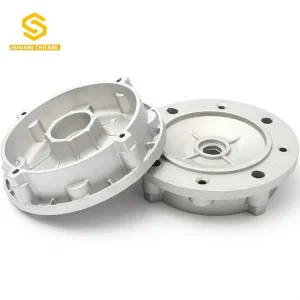
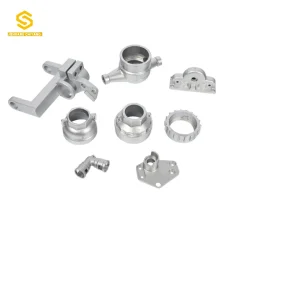
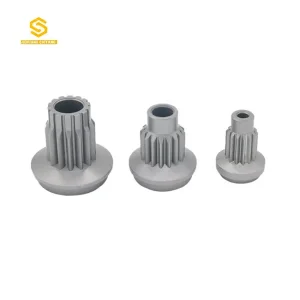
Comprehensive Industrial Portfolio for Peru Sourcing Managers
Explore our complete range of precision die cast, powder metallurgy, and MIM metal solutions.
Accelerate Your Peru Project with Direct-from-Factory Precision
Send your 2D PDF or 3D STEP drawings to our senior engineering team today. Get a comprehensive quote and DFM manufacturability analysis within 48 hours.