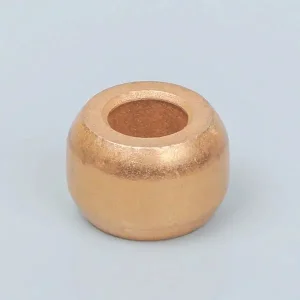
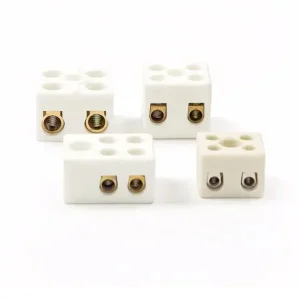
Featured Powder Metallurgy & Precision Metal Products
Explore our core portfolio of OEM sintered components, metal injection molding hardware, precision die castings, and custom alloy parts produced under IATF 16949 and ISO 9001 certified manufacturing controls.


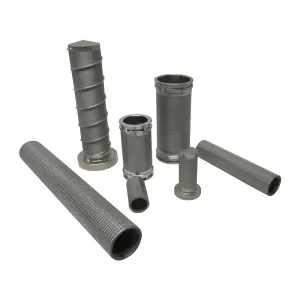
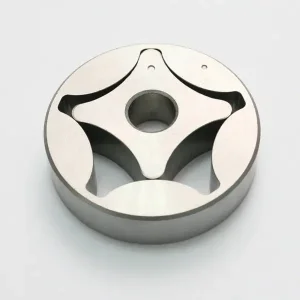
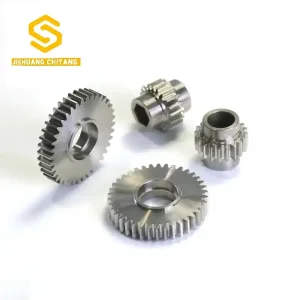


Global Metal Additive Manufacturing & Powder Metallurgy Landscape
The rapid convergence of Metal 3D Printing (Laser Powder Bed Fusion - LPBF, Direct Energy Deposition - DED, Binder Jetting) and conventional Powder Metallurgy (PM / MIM) has established China as the world's primary growth engine for spherical metal powders and micro-engineered metal alloys.
In modern industrial manufacturing, raw powder performance dictates final part density, tensile strength, fatigue life, and dimensional tolerance. As a leading China 3d printing metal powder manufacturer supplier & suppliers, industrial plants across the nation have deployed multi-axis vacuum induction melting, inert gas atomization towers, plasma rotating electrode systems, and automated laser particle sizing labs to guarantee tier-1 supply integrity for mission-critical aerospace, automotive, medical device, and consumer electronics applications.
To evaluate China's atomization ecosystem accurately, global procurement teams must understand the metallurgical physics underpinning different atomization pathways. The choice of manufacturing method determines not only unit cost but also satellite powder ratios, internal hollow sphere voids, oxygen/nitrogen gas pick-up, and flowability across automated additive manufacturing powder bed systems.
| Atomization Process | Melting Mechanism | Ideal Materials | Particle Sphericity | Internal Porosity | Primary AM Application |
|---|---|---|---|---|---|
| VIGA (Vacuum Inert Gas Atomization) | Ceramic Crucible Induction | Stainless Steels, Tool Steels, Fe-Ni Alloys | High (>90%) | Low to Medium | LPBF (15-53μm), MIM, Hot Isostatic Pressing (HIP) |
| EIGA (Electrode Induction Melting) | Crucible-Free Induction Rod | Ti6Al4V, Ti-Aluminides, Reactive Metals | Very High (>95%) | Ultra-Low | LPBF, Electron Beam Melting (EBM) |
| PA (Plasma Atomization) | Multiple Plasma Torches on Wire | Titanium Grade 5/23, Nickel Superalloys | Near-Perfect (>98%) | Negligible (Zero Satellites) | Aerospace LPBF, Medical Implants, DED |
| PREP (Plasma Rotating Electrode) | High-Speed Rotating Bar + Plasma Arc | Refractory Metals, Superalloys, CoCr | Spherical (>99%) | Zero Hollow Spheres | Large-Scale DED, EBM, Aerospace Rotors |
Powder Material Characterization & Physical Metallurgy Standards
Achieving high-density mechanical properties during laser melting or sintering requires rigorous control over physical powder rheology, particle size distribution (PSD), and chemical purity parameters defined by ASTM/ISO standards.
Titanium Alloys (Ti6Al4V)
Grades: Ti6Al4V Grade 5, Grade 23 (ELI), Ti-6Al-7Nb, Pure Titanium (CP-Ti).
Manufactured primarily via EIGA and Plasma Atomization (PA). Characterized by extremely low interstitial oxygen content (≤0.12 wt%), preventing embrittlement in medical orthopedic implants and aerospace structural brackets.
- Apparent Density: 2.4 - 2.7 g/cm³
- Hall Flow Rate: ≤ 25 s / 50g (ASTM B213)
- Compliance: ASTM F3055, ASTM F1472, ISO 5832-3
Nickel Superalloys
Grades: Inconel 718 (UNS N07718), Inconel 625 (UNS N06625), Hastelloy X, Nimonic 90.
Optimized for extreme-temperature thermal environments. Argon-gas atomized to deliver tight matrix gamma-double-prime (γ'') precipitation hardening behavior after stress-relief heat treatments.
- Apparent Density: 4.2 - 4.6 g/cm³
- Hall Flow Rate: ≤ 14 s / 50g
- Compliance: AMS 5662, ASTM B637, ISO 22068
Stainless & Tool Steels
Grades: 316L, 17-4PH (AISI 630), 15-5PH, Tool Steel H13, Maraging Steel MS1 (1.2709).
VIGA atomized powders engineered for maximum packing density and minimal satellite formation. Widely utilized in conformal cooling mold inserts, valve housings, and high-wear gears.
- Apparent Density: 4.0 - 4.5 g/cm³
- Tap Density: > 4.8 g/cm³ (ASTM B527)
- Sphericity: ≥ 92% (Morphology Camsizer)
Refractory & Non-Ferrous Alloys
Grades: AlSi10Mg, Scalmalloy, CuCrZr, Pure Copper, Cobalt-Chromium (CoCrMo), Tungsten, Tantalum.
High thermal and electrical conductivity formulations. Copper powders undergo specialized surface passivating to eliminate oxidation during storage and recoater scraping.
- Laser Reflectivity Control: Optimized for 1064nm Yb-fiber lasers
- Oxygen Level: < 200 ppm for Cu Alloys
- Relative Density Printed: > 99.8%
Engineering Information Gain Notice: Tailoring Particle Size Distribution (PSD) is vital to print success. For Laser Powder Bed Fusion (LPBF), standard mesh sizing is 15 - 53 μm; for Electron Beam Melting (EBM), 45 - 106 μm is mandatory to prevent powder blowing; for Direct Energy Deposition (DED/LMD), 53 - 150 μm provides high deposition rate stability; while Metal Injection Molding (MIM) & Binder Jetting demand ultra-fine powders ranging from 5 to 25 μm.
Enterprise Sourcing Framework & Quality Inspection Protocol
Procuring raw powders or sintered components from a China 3d printing metal powder manufacturer requires strict verification procedures to safeguard cross-border production security, batch consistency, and legal compliance.
The 5-Point Quality Certification Framework
To guarantee batch-to-batch repeatability, leading suppliers in China execute rigorous inspection workflows on every production lot before dispatching shipments under argon cover:
- Laser Diffraction Particle Sizing (ISO 13320): Verifies exact D10, D50, and D90 metrics via Malvern Mastersizer instruments.
- SEM Powder Morphology Mapping: Scanning Electron Microscopy checks for satellite-free spheres, satellites count, and broken flake content.
- Chemical Composition Analysis (ICP-OES / LECO): Precise elemental mapping confirming major alloying elements and tracing trace interstitials (O, N, H, C, S).
- Powder Rheology & Hall Flow Rate (ASTM B213 / B527): Evaluates kinetic behavior during recoater blade scraping and powder bed packing density.
- Micro-CT Porosity Screening: Scans atomized particles to detect trapped gas argon bubbles (hollow spheres) that cause thermal keyhole voids during laser melting.
Total Cost of Ownership (TCO) Advantages
Sourcing metal powders and PM/MIM components directly from top China suppliers offers substantial strategic financial benefits without compromising technical performance:
Macro Industry Solutions & Application Case Studies
From topology-optimized aerospace rocket brackets to high-volume automotive sintered pump rotors, custom metal powders and precision powder metallurgy components unlock unparalleled engineering freedom.
Aerospace & Defense
Solutions: Plasma-atomized Ti6Al4V Grade 23 and Inconel 718 powders engineered for LPBF 3D printing of lightweight engine brackets, fuel injection nozzles, and structural thrust vector gimbal mounts.
Value Gain: 65% weight reduction achieved through internal lattice structures while maintaining fatigue limits surpassing AMS standards.
Automotive & Electric Vehicles
Solutions: Sintered copper-based PM parts, high-density powder metallurgy oil pump rotors, timing gears, and die-cast aluminum heat sinks for EV power inverters.
Value Gain: Near-net-shape high volume mass production drastically lowers per-unit finishing costs while ensuring continuous oil lubrication retention.
Medical Instrumentation
Solutions: Ultra-clean spherical titanium powders and bio-compatible 316L/CoCrMo alloys for 3D printed acetabular hip cups, spinal cages, and MIM surgical scissors.
Value Gain: Porous surface structures foster rapid bone ingrowth (trabecular integration) directly out of the powder bed printer.
Conformal Cooling Plastic Molds
Solutions: Maraging Steel MS1 (1.2709) and Tool Steel H13 powders atomized for high thermal shock resistance in injection mold tools.
Value Gain: 3D printed internal conformal fluid channels cut plastic injection molding cycle times by 30% and eliminate localized part warpage.
Localization Support, Regulatory Compliance & Quality Guarantees
Operating across North America, Europe, and Asia-Pacific demands stringent adherence to international environmental codes, material traceability standards, and intellectual property safety.
Quality System Certifications
- IATF 16949:2016: Full automotive quality management system covering advanced product quality planning (APQP), FMEA, and PPAP Level 3 documentation.
- ISO 9001:2015: Factory-wide quality management controls governing raw material melt heat traceability to final delivery.
- ISO 13485: Medical device quality standard compliance for titanium orthopedic implant powders.
- AS9100D Compliance: Aerospace quality management alignment for nickel and titanium alloy atomization lots.
Global Compliance & Legal Safeguards
- REACH & RoHS Declarations: Metallic powders are 100% compliant with EU REACH regulation chemical substance limits and free of hazardous heavy metals.
- Conflict Minerals Compliance: Full supply chain auditing guaranteeing Tantalum, Tungsten, Gold, and Tin are ethically sourced.
- Strict NDA Data Protection: All CAD drawings, STEP files, and custom chemical alloy formulations are safeguarded under legally binding Non-Disclosure Agreements.
- Comprehensive Export Documentation: Material Test Certificates (MTC / EN 10204 3.1), Safety Data Sheets (SDS), and customs duty clearance documentation.
Technological Roadmap & Next-Generation Metallurgy Trends
The frontier of industrial 3D printing metal powders is rapidly shifting toward advanced high-entropy alloys, artificial intelligence-guided powder classification, and zero-carbon atomization infrastructure.
Looking toward the next decade of metal additive manufacturing, Chinese powder manufacturers are making massive investments in three pivotal technological vectors:
1. High-Entropy Alloys (HEAs) & Multi-Material Gradient Powders
Conventional metal 3D printing relies on established alloys like 316L or Ti6Al4V. Next-generation atomization plants are now scaling production of High-Entropy Alloys (containing 5 or more principal metallic elements in equal atomic proportions). HEAs yield unprecedented combinations of high-temperature tensile strength, cryogenic toughness, and radiation corrosion resistance tailored for fusion energy reactors and hypersonic aerospace skins.
2. AI-Driven Optical Sorting & Computer Vision Sieving
To completely eradicate satellite particles and non-spherical splash flakes, high-speed optical computer vision sorting lines are replacing static mechanical vibration screens. Automated cameras analyze millions of moving powder grains per second under laser illumination, blowing non-spherical particles out of the stream via micro-air jets to achieve pure 99.9% sphericity levels.
3. Green Atomization & Circular Supply Chains
Driven by global carbon reduction mandates, Chinese atomization facilities are pioneering closed-loop scrap recycling. Machine shop turnings, wire cut-offs, and used additive manufacturing overflow powders are re-melted under induction vacuum furnaces powered by renewable hydro/solar energy, creating low-carbon certified metal powders for eco-conscious global OEMs.
Deep Technical FAQ: Sourcing Metal Powders & PM Components
Answers to critical procurement, technical engineering, and quality verification questions commonly asked by international sourcing directors.
Our atomization lines produce custom PSDs ranging from sub-15 μm up to 150 μm. Standard LPBF (Laser Powder Bed Fusion) powders are sieved to 15-53 μm; EBM (Electron Beam Melting) requires 45-106 μm; DED (Direct Energy Deposition) utilizes 53-150 μm; while ultra-fine powders for Metal Injection Molding (MIM) and Binder Jetting range from 5 to 25 μm. Custom cuts can be tailored upon request.
For reactive alloys such as Ti6Al4V and Superalloys, we utilize Electrode Induction Melting Gas Atomization (EIGA) or Plasma Atomization (PA). These methods eliminate ceramic crucibles completely, melting the feed electrode in a sealed vacuum chamber purged with ultra-high purity Argon (99.999%). This process maintains oxygen levels consistently below 0.10-0.12 wt% across all batches.
Standard catalog alloy powders (316L, 17-4PH, Ti6Al4V, Inconel 718) are maintained in stock for immediate dispatch within 3-5 business days. Custom chemical composition melting or non-standard PSD sieving runs typically take 2 to 3 weeks. International air freight delivery takes 5-7 days, while sea freight packaging under vacuum argon cover takes 20-35 days depending on the destination port.
Yes. Every shipment is accompanied by a EN 10204 3.1 certified Material Test Certificate detailing exact chemical analysis (ICP-OES / LECO O/N/H values), Malvern laser diffraction particle size curve (D10, D50, D90), Hall flow rate, apparent/tap density, and SEM morphology images validating high sphericity.
Powder reusability depends on heat exposure and ambient humidity during sifting. Typically, high-sphericity EIGA Ti6Al4V and PA powders can undergo 10 to 15 print cycles in LPBF systems before requiring virgin powder topping. Regular screening for satellite buildup, moisture content, and oxygen pick-up is recommended using our recommended quality testing protocols.
Yes. In addition to raw metal powders, our facilities provide full OEM turnkey production for sintered powder metallurgy gears, copper-based bushings, ceramic injection molding (CIM), aluminum/zinc die casting, and MIM precision components with complete in-house tooling, DFM engineering, and CNC secondary machining.
Powders are filled inside heavy-duty anti-static polyethylene bags, double-sealed inside multi-layer aluminum foil vacuum bags flushed with pure argon gas, and packed within rigid steel pails or UN-approved plastic drums (10kg, 25kg, or 50kg net weight per drum).
We execute a formal non-disclosure agreement (NDA) before reviewing your technical spec sheet. Our metallurgical engineering team performs thermal atomization simulation modeling, sets up a 50kg to 200kg pilot VIGA/EIGA melt batch, executes laser particle sieving, and provides full lab validation reports prior to scaling up to full tonnage production.
Explore Our Complete Powder Metallurgy & Sintered Gears Line
Discover additional precision sintered bronze bearings, MIM hardware, ceramic components, and custom die castings manufactured to exact customer specifications.