Wholesale Stainless Steel Sintered Metal Filters Manufacturers, Supplier
Product Description
Product Detail
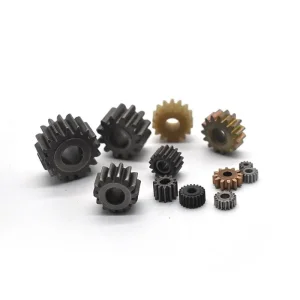
Choose the right metal powder. Powder filter materials usually selected include stainless steel, copper, aluminum, and other metal powders.
Mix the metal powder in proportion and add a certain amount of organic binder to form a paste with good plasticity.
Press the paste into a body of a specific shape, usually cylindrical or square.
Sinter the billet at high temperatures, allowing the metal powder to fuse together and form a filter.
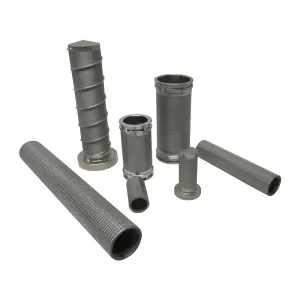
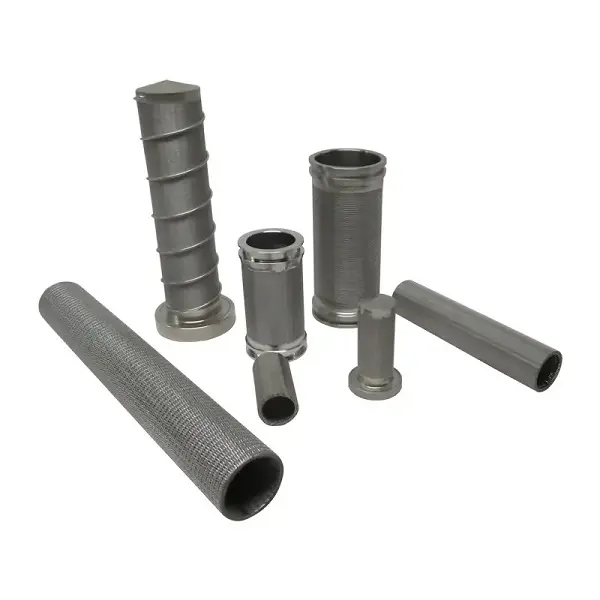
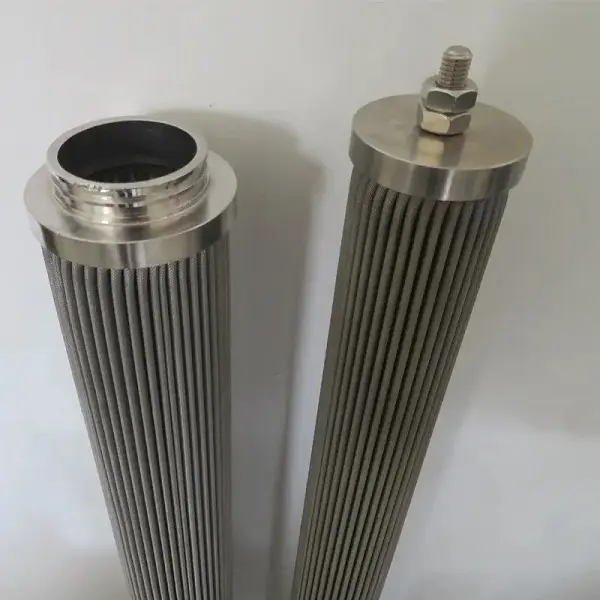
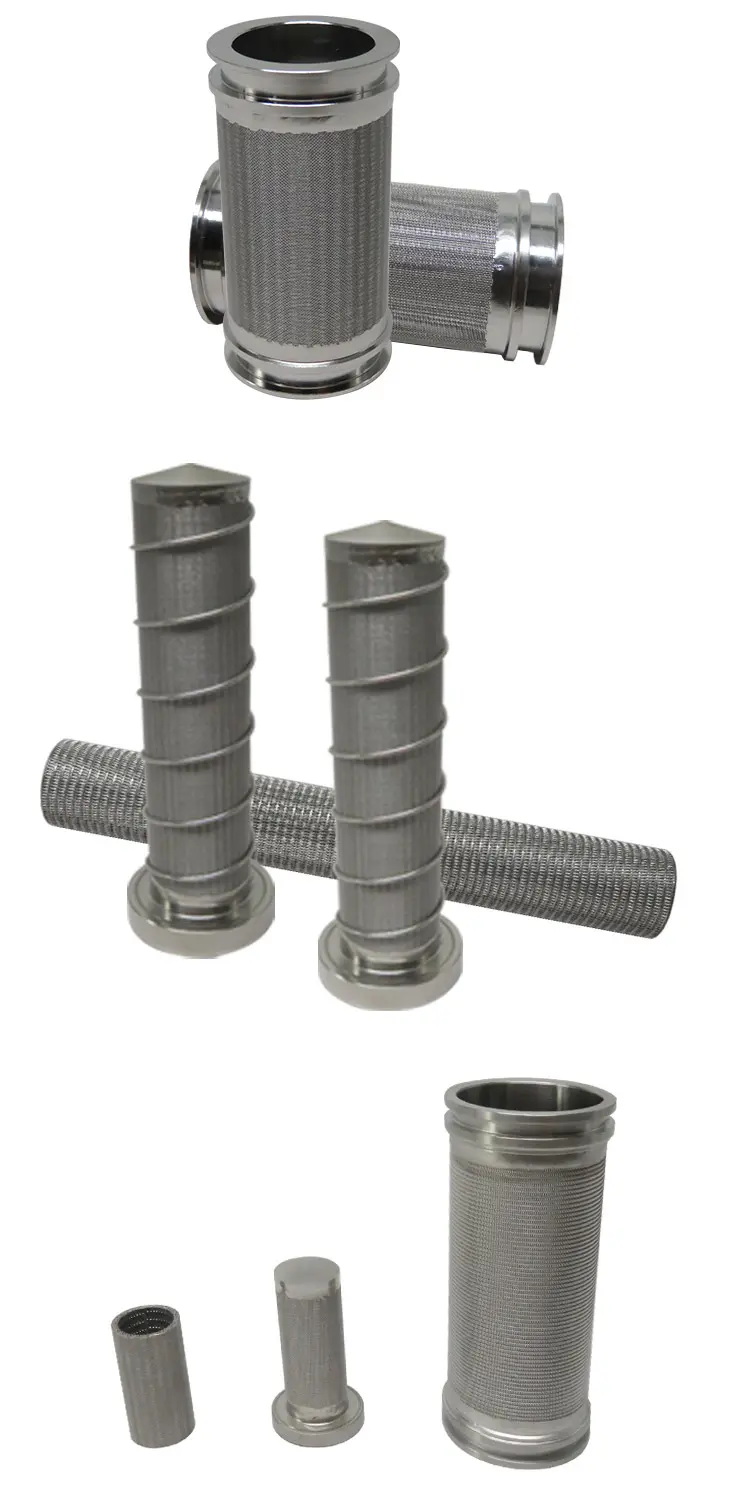
The filtration principle of sintered metal filters relies on tiny pores formed by gaps between metal powders. Because particle sizes and shapes differ, pore sizes vary to achieve different levels of precision. Additionally, the metal oxide layer formed during high-temperature sintering aids filtration and enhances precision.
Powder metal filter materials mainly include 304 and 316 stainless steel, copper-tin alloy, nickel, Monel alloy, acid-resistant nickel alloy, titanium, and aluminum. For liquid filtration, 304 stainless steel, 316 stainless steel, and Monel alloy are predominantly used.
Key advantages of sintered metal filters include high strength and fracture toughness, high pressure and temperature resistance, thermal shock resistance, corrosion resistance, cleanability, all-welded assembly, and long service life.
Frequently Asked Questions
What is the manufacturing process of sintered metal filters?
The process involves selecting metal powders, mixing them with an organic binder to form a plastic paste, pressing the paste into shaped bodies, and sintering at high temperatures to bind the powder together.
How do sintered metal filters work?
They filter via micro-pores created between metal powder particles. Varying powder sizes allow for customizable filtration precision, enhanced by the metal oxide layer formed during sintering.
What materials are used for powder metal filters?
Common materials include 304 and 316 stainless steel, copper-tin alloy, nickel, Monel alloy, acid-resistant nickel alloy, titanium, and aluminum.
Which materials are preferred for liquid filtration?
304 stainless steel, 316 stainless steel, and Monel alloy are the primary materials utilized for liquid filtration applications.
What are the primary benefits of sintered metal filters?
They offer exceptional structural strength, thermal shock resistance, high temperature and pressure tolerance, excellent cleanability, corrosion resistance, and long-term durability.