

Featured Precision Components
High-Performance Aluminum & Precision Metallurgy Parts
Explore our flagship OEM & ODM high-pressure die-cast components, sintered gears, and powder metallurgy structural parts engineered to strict ISO 9001 and IATF 16949 standards.

China OEM/ODM Powder Metallurgy Products & Metallurgy Machinery Processing Parts
View Product Details
Wholesale High Quality Stainless Steel Powder Metallurgy Bearing/Auto Parts
View Product Details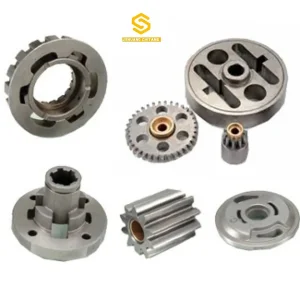
China MIM Metal Injection Molding 316L Stainless Steel Textile Machinery Part Mould
View Product Details
Customized OEM Anodising Aluminum Alloy & Zinc Alloy Casting Parts by Die Casting
View Product Details
Wholesale MIM Metal Injection Molding 316L Stainless Steel Precision Components
View Product Details
OEM Powdered Copper Based Sintered Metal Parts & Self-Lubricating Bushings
View Product Details
China High Performance Customized Sintered Powder Metallurgy Ring Gear
View Product Details
Macro Analysis
Global Enterprise Sourcing Dynamics in China's Aluminum Die Casting Sector
Strategic overview of global supply chains, Total Cost of Ownership (TCO) shifts, and China's dominance in high-pressure die casting (HPDC) engineering.
Total Cost of Ownership (TCO) Optimization
Sourcing aluminum die casting parts from China offers global procurement directors up to 35-50% overall cost reduction compared to North American or Western European foundries. This advantage stems from integrated tool design, lower tooling costs, automated HPDC cells, and raw material cost stabilization across major industrial hubs like Ningbo and Guangdong.
Lightweighting & Electric Vehicle Shift
Driven by the global transition toward electric vehicles (EVs) and carbon neutrality, demand for lightweight aluminum alloys (A380, A356, ADC12, AlSi10Mg) has surged. Complex single-piece structural die castings replace multi-part steel stampings, drastically reducing vehicle curb weight, improving energy efficiency, and lowering assembly line footprint.
End-to-End Manufacturing Ecosystem
China's modern die casting factories have evolved beyond basic casting. Leading facilities provide DFM mold flow simulation, rapid prototyping, in-house high-precision CNC machining (5-axis centers), surface treatments (anodizing, powder coating, e-coating), and assembly, minimizing supplier risk and shortening product launch lead times.
28,000 m²
Integrated Factory Area
10,000 kN
Max HPDC Press Tonnage
< 0.01 mm
CNC Machining Precision
IATF 16949
Certified Automotive Quality
Industry Vertical Solutions
Cross-Sector Aluminum Die Casting Engineering Applications
Tailored metallurgical and structural die-cast components designed to meet demanding mechanical specifications across diverse high-tech industries.
Automotive & EV Powertrains
High-integrity die casting components including electric drive housings, battery module enclosures, inverter cases, steering knuckles, and engine timing covers. Manufactured with vacuum assistance to achieve pore-free structures suitable for high-stress dynamic environments and post-casting heat treatment (T6).
Telecom & 5G/6G RF Infrastructure
Ultra-high thermal conductivity aluminum heat sinks, remote radio unit (RRU) casings, and outdoor transceiver cabinets. Formulated using specialized low-copper Al-Si alloys that combine high heat dissipation efficiency (> 160 W/m·K) with exceptional weather and salt-spray corrosion resistance.
Renewable Energy & Power Electronics
Photovoltaic (PV) solar inverter frames, wind turbine control module housings, and industrial battery energy storage system (BESS) heat exchangers. Designed to withstand severe outdoor temperature swings (-40°C to +85°C) with IP67/IP68 sealing integrity via CNC-machined gasket grooves.
Industrial Automation & Robotics
Precision robotic arm joints, servo motor end-bells, pneumatic cylinder bodies, and automated guide vehicle (AGV) chassis frames. Engineered for high power-to-weight ratios, high mechanical rigidity, and tight geometrical tolerances to ensure precise positional accuracy.
Consumer Electronics & Smart Hardware
Lightweight magnesium and aluminum frames for smart displays, high-end drone chassis, handheld power tool gearboxes, and VR headset structural frames. Achieves ultra-thin walls down to 0.8 mm while providing RF shielding and aesthetic anodized surface finishes.
Aerospace & Medical Diagnostics
Non-critical structural brackets, optical sensor enclosures, and portable diagnostic instrument chassis. Produced under stringent zero-defect quality systems with 100% X-ray inspection, dye penetrant testing, and full raw material batch traceability.
Technology Roadmap
Advanced Aluminum Alloys & Die Casting Manufacturing Technologies
A comprehensive metallurgical reference guide comparing primary die-casting alloys, process routes, and structural performance capabilities.
| Aluminum Alloy | Composition (Key Elements) | Tensile Strength (MPa) | Thermal Cond. (W/m·K) | Key Characteristics | Primary Applications |
|---|---|---|---|---|---|
| A380 (ADC10) | Al-Si8-Cu3 | 320 | 96 | Excellent fluidity, pressure tightness, and ease of casting. Best overall balance of mechanical properties. | General automotive housings, bracketry, power tool casings. |
| ADC12 (A383) | Al-Si11-Cu2 | 310 | 92 | Superior die filling capacity for thin-wall, highly intricate molds. Excellent dimensional stability. | Complex electronic enclosures, heat sinks, valve bodies. |
| A356 / AlSi7Mg | Al-Si7-Mg0.3 | 290 (T6: 340+) | 150 | High strength, heat-treatable (T6), excellent elongation, superior fracture toughness. Low hot-tearing sensitivity. | EV structural nodes, subframes, wheels, suspension arms. |
| AlSi10Mg | Al-Si10-Mg0.4 | 330 | 130 | Excellent strength-to-weight ratio, good weldability, high dynamic fatigue resistance. | Robotic arms, aerospace brackets, rapid AM prototyping. |
| Silafont-36 | Al-Si9-Mg-Mn | 320 (T6: 360) | 140 | Ductile structural die casting alloy. High elongation (> 10%) without heat treatment; crash-resistant performance. | Automotive shock towers, EV body-in-white (BIW) nodes. |
Engineering Insight: Vacuum-Assisted High-Pressure Die Casting (V-HPDC)
By pulling a vacuum in the mold cavity down to < 50 mbar prior to liquid metal injection, gas entrainment is practically eliminated. This technology enables structural die castings to undergo high-temperature Solution & Aging Heat Treatment (T6) without internal gas blistering, boosting yield strength by up to 40% and making welding or structural riveting feasible.
1. Ultra-Large Giga-Casting Trend
Transitioning from multi-piece sub-assemblies to single-piece massive structural die castings using 6,000T to 12,000T locking force presses. Reduces body shop welding robots by 60% and eliminates hundreds of individual stamping dies.
2. Semi-Solid Rheocasting (SSM)
Slurry-based molding where liquid aluminum is injected at a semi-solid globular phase. Delivers zero turbulent porosity, ultra-dense microstructure, extended die lifespan, and exceptional mechanical ductility.
3. AI Digital Twin Quality Control
Real-time sensor telemetry monitoring shot-sleeve pressure curves, mold thermal imaging, and injection velocity profiles. Machine learning algorithms automatically flag micro-porosity risks during the cycle.
Design & Sourcing Economics
DFM Guidelines & Commercial Total Cost Analysis
Key design considerations for optimizing manufacturing yields and minimizing tooling and part costs during the engineering phase.
Design for Manufacturability (DFM) Best Practices
Achieving low unit costs and extended tool life requires early collaboration between your product designers and our tooling engineers. Key parameters include:
- Uniform Wall Thickness: Aim for nominal wall thickness between 2.0 mm and 4.0 mm. Avoid sudden wall transitions to eliminate shrinkage porosity and internal stress concentration.
- Optimal Draft Angles: Provide minimum 1° to 2° draft on interior and exterior walls. Deep cavities require up to 3° draft to facilitate smooth ejection and minimize die drag marks.
- Fillets and Radius: Incorporate generous radii (R ≥ 1.5 mm) on all internal corners. Sharp edges induce thermal fatigue cracking (heat checking) in expensive H13 tool steel molds.
- Rib Structure Optimization: Use structural reinforcing ribs with a base thickness of 60% of the adjoining wall thickness to enhance stiffness without adding cosmetic sink marks.
Tooling Lifespan & Cost Breakdown
Understanding mold wear dynamics helps optimize capital expenditure across product lifecycles:
- Tooling Materials: Premium SKD61, H13, or Dievar steel inserts, heat-treated to 46-52 HRC, guarantee die life up to 100,000 shots for aluminum and 500,000+ for zinc.
- Modular Mold Bases: Utilizing standardized DME/HASCO mold bases lowers initial tooling investments by 25-30% while accelerating sampling lead time.
- Secondary Operations: Integrated CNC machining cells (milling, tapping, boring) eliminate manual repositioning errors, ensuring Cpk ≥ 1.67 on critical dimensions.
- Surface Treatment Options: In-house shot blasting, chromate conversion (RoHS-compliant), anodizing, and powder coating streamline supply chain logistics.
Compliance & Quality
International Regulatory Guarantee & Quality Ecosystem
Risk mitigation strategies, environmental sustainability compliance, and rigorous quality inspection protocols for global supply chain assurance.
IATF 16949 & ISO 9001
Full implementation of Advanced Product Quality Planning (APQP), Production Part Approval Process (PPAP Level 3), FMEA risk mitigation, and statistical process control (SPC).
Environmental & Green Aluminum
Fully compliant with ISO 14001 EMS, EU RoHS 3.0, REACH SVHC regulations, and Conflict Minerals reporting. Supporting low-carbon recycled aluminum initiatives (CBAM ready).
Precision Metrology Lab
In-house CMM (Zeiss coordinate measuring machines), industrial X-ray CT porosity scanners, spectrographs for melt chemical verification, and salt spray testing chambers.
Global Logistics & Support
Flexible commercial terms (FOB, CIF, DDP, DAP) with customized VMI (Vendor Managed Inventory) buffering, anti-corrosion VCI packaging, and direct sea/air freight tracking.
Product Catalog Expansion
Precision Die Casting & MIM Technology Solutions
Explore our extended portfolio of custom zinc/aluminum die castings, medical MIM parts, and powder metal structural components.

Metal Injection Molding MIM Medical Equipment Scissors Accessories
View Product Details
Wholesale Medical Dental Orthodontic Bracket by MIM Factories
View Product Details
China OEM Supply Metal Injection Molding Parts for Machinery Components
View Product Details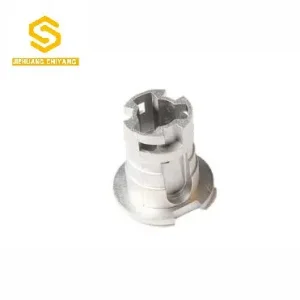
Wholesale Metal Injection Molding Parts for Medical Technology
View Product Details
China Custom Powder Metallurgy Sintered Metals Parts with Metal Sintering
View Product Details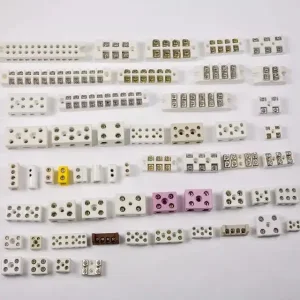
Wholesale High-Temperature Ceramic Terminal Blocks & Components Supplier
View Product Details
Custom Zinc Die Casting Parts & Aluminum Casting Products OEM Manufacturer
View Product Details
Custom OEM MIM Metal Titanium Insert Fold Injection Molding Parts Factory
View Product Details
Knowledge Base & FAQ
Frequently Asked Questions by Global Sourcing Executives
Technical and procurement responses from our engineering directors regarding tooling timelines, quality benchmarks, DFM, and logistics.
1. Why choose China die casting aluminum manufacturers over domestic European or US suppliers?
China provides an unparalleled manufacturing ecosystem combining capital-intensive automated High-Pressure Die Casting (HPDC) machinery with lower tooling costs (often 40-60% less expensive than US/EU tooling) and significantly shorter mold fabrication lead times. Coupled with mature supply chains in raw aluminum smelting, specialized surface finishing (anodizing, electroplating), and 5-axis CNC secondary machining, global OEMs achieve significantly lower Total Cost of Ownership (TCO) without compromising metallurgical quality or precision tolerances.
2. How do you control gas porosity and internal shrinkage in complex aluminum die castings?
We employ Vacuum-Assisted High-Pressure Die Casting (V-HPDC) technology, which evacuates residual air and gas from the die cavity down to below 50 mbar before molten metal injection. Additionally, we run Advanced MAGMA/ProCAST DFM mold flow simulations prior to cutting steel to optimize runner systems, overflow wells, and cooling channels. Post-casting, 100% industrial X-ray CT scanning guarantees structural density for critical pressure-tight and load-bearing components.
3. What is the typical lead time for aluminum die casting tooling and PPAP sample submission?
Standard prototype tooling and T1 initial samples are typically delivered within 30 to 35 calendar days following 3D CAD drawing sign-off and DFM approval. Full automotive-grade PPAP Level 3 documentation packages (including CMM dimensional reports, material chemical spectrum analysis, mechanical tensile test data, and Cpk capability studies) are completed within 7 to 10 business days after initial sample validation.
4. Can aluminum die cast parts undergo T6 heat treatment and post-process welding?
Yes, provided the components are manufactured using high-vacuum die casting or semi-solid rheocasting processes utilizing low-iron structural alloys such as A356, AlSi10Mg, or Silafont-36. Conventional die casting traps microscopic air pockets that form surface blisters during high-temperature T6 solution treatment (500°C+). Vacuum-assisted castings remove these voids, making T6 solutioning, aging, MIG/TIG welding, and laser welding fully feasible.
5. What surface treatments are available for aluminum and zinc die cast components?
We provide a complete range of in-house and certified surface finishing services, including mechanical shot blasting, vibratory polishing, ROHS-compliant chromate conversion (SurTec 650), Type II/III hard-coat anodizing, electrocoating (E-coat), electrostatic powder coating, liquid painting, and laser etching. All surface treatments undergo rigorous salt-spray corrosion resistance testing (up to 960+ hours per ASTM B117) prior to shipment.
6. How does your factory protect customer intellectual property (IP) and proprietary CAD data?
IP protection is enforced through legally binding Non-Disclosure Agreements (NDAs) prior to file transfer. All customer 2D/3D engineering files reside on encrypted, access-controlled internal servers managed under ISO 27001 data security protocols. Tooling dies remain strictly exclusive to the original buyer and are never reused or exposed to third parties.