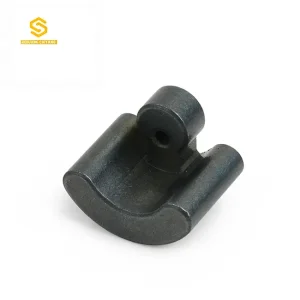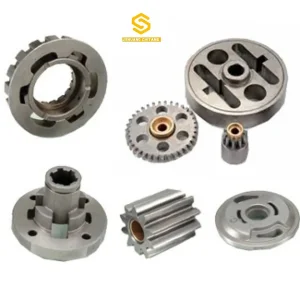
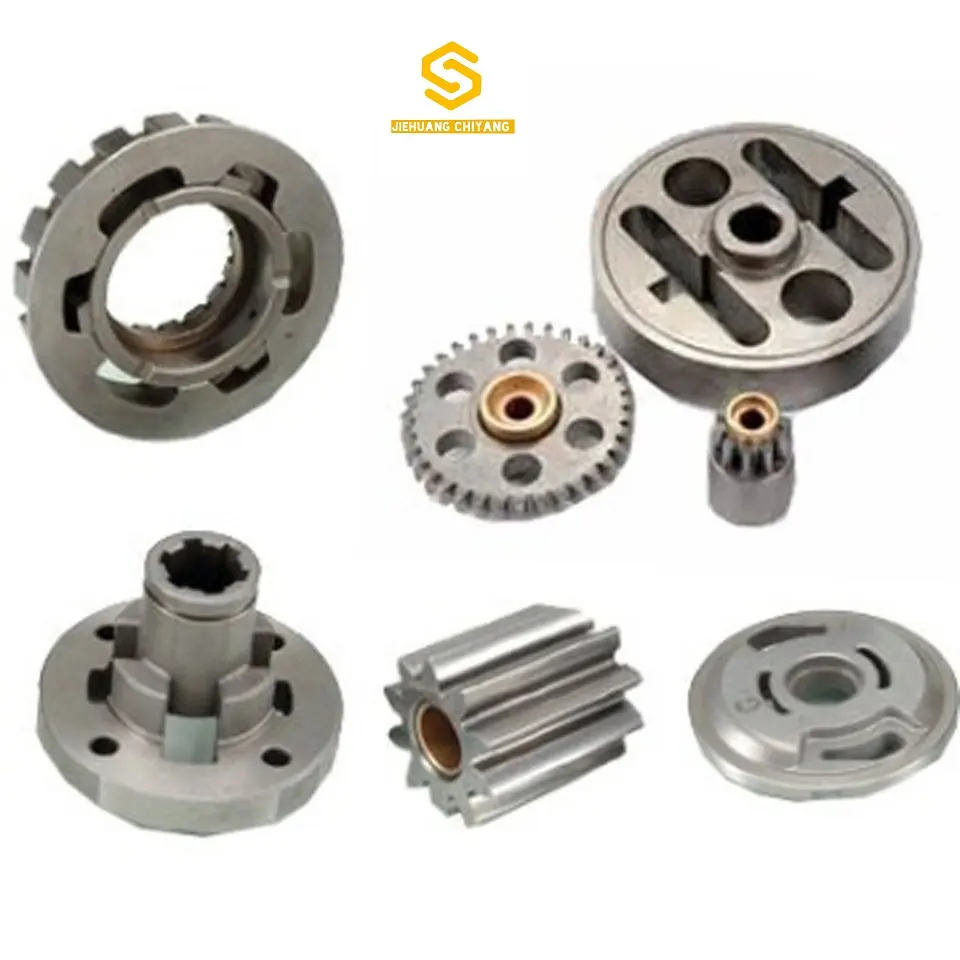
China MIM Metal Injection Molding 316L Stainless Steel textile machinery part mould Suppliers, Factories
Product Description
Optimized for Value in Engineering
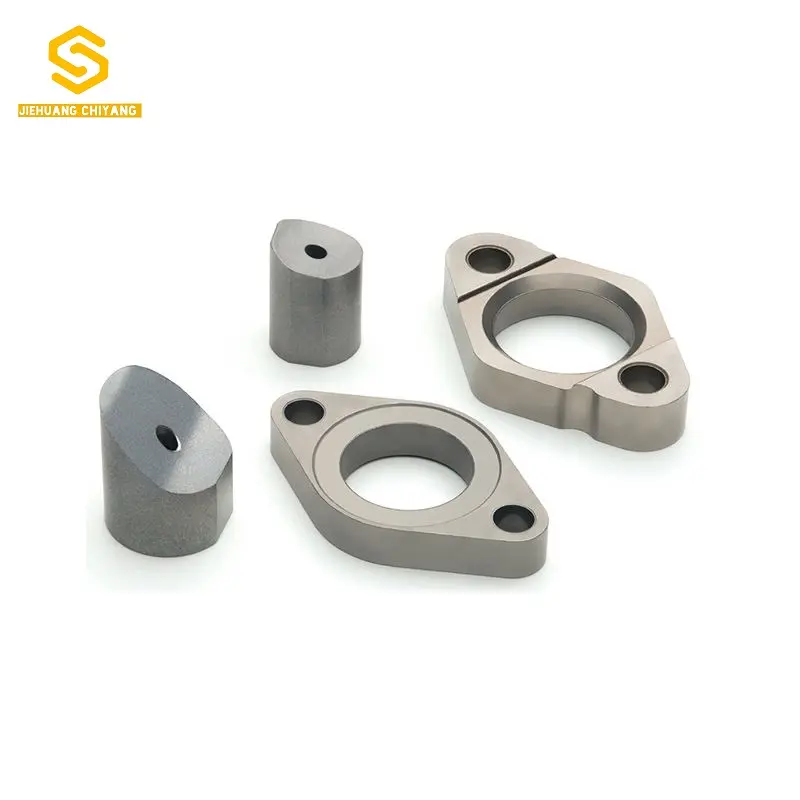
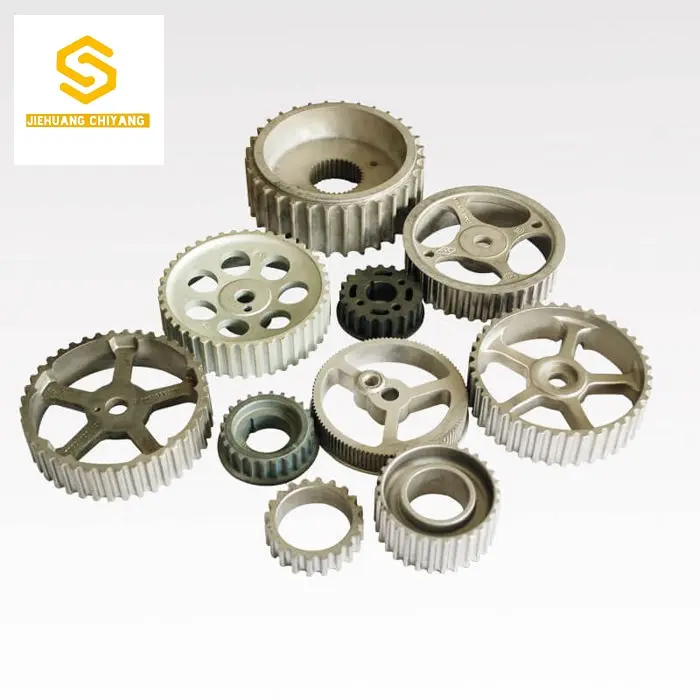
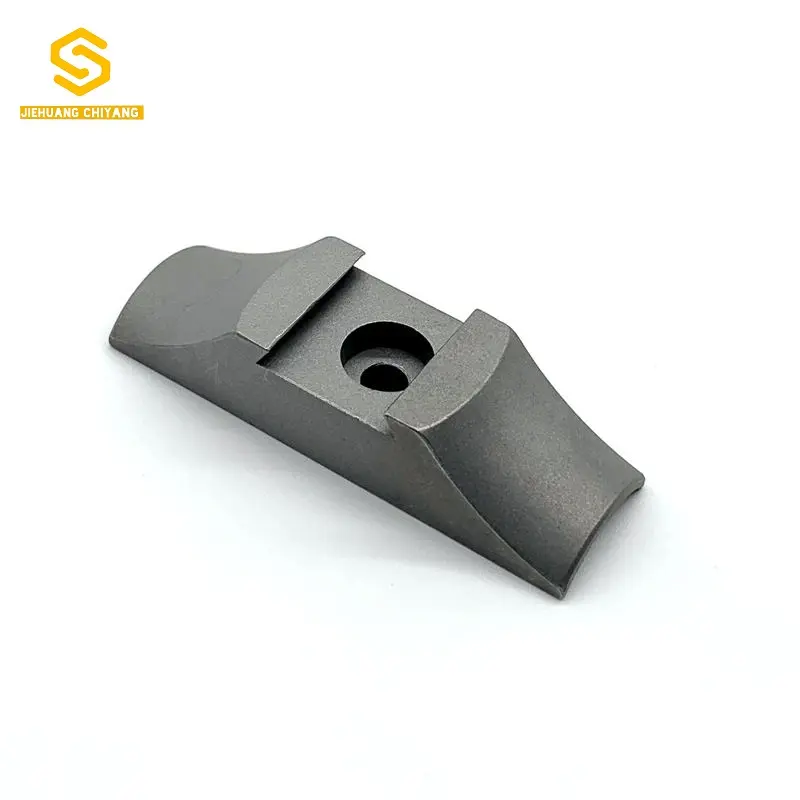
A highly complicated component can be produced using MIM technology in a way that is not economically feasible using any other technique.
To get the most out of the MIM process, JIEHAUNG MIM works closely with you on the design, material, and finish requirements. We can control the overall program cost because to our significant in-house machining, heat-treating, and surface finishing capabilities.
Demands for Flexible Production
Industrial items have a wide range of applications, so it is essential to choose a supplier who can handle both small- and large-batch manufacturing needs.
Materials for a Variety of Uses
We offer a wide range of material choices so that our customers can create products with outstanding performance.
Solutions for Industrial Products MIM
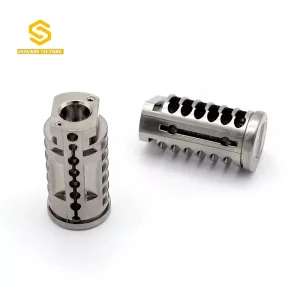
Door hardware: Cylinders, carriers, pins, and lock housings
Tool handles, bits, keyless chucks, blade clamps, pawls, and ratchet mechanisms for both hand and power tools
Electronics: Heatsinks, microwave packages, fiber optic connectors, and sensor housings
Toilet fixtures, housings, and valve spools all use hydraulics.
Aerospace fasteners and hardware
Hardware for valve spools and faucets
Security - Fall prevention systems
Valve parts for high corrosion applications in the oil and gas industry.
- Previous: OEM/ODM Manufacturer Powder Metallurgy Parts Power Tools Sintered Metal Planetary Spur Gear Planets Disk
- Next: Factory wholesale Customized Powder Metallurgy Metal Injection Molding Parts
Frequently Asked Questions (FAQ)
What is Metal Injection Molding (MIM) technology?
Metal Injection Molding (MIM) combines the design flexibility of plastic injection molding with the strength and integrity of metal to manufacture complex, high-precision metal parts economically.
What types of materials can be processed using JIEHUANG MIM?
We offer a wide selection of materials, including stainless steel, low-alloy steel, tool steel, titanium, and specialized alloys engineered for high strength, corrosion resistance, and wear resistance.
Can JIEHUANG MIM accommodate both small and large production runs?
Yes, our manufacturing capabilities support both flexible small-batch orders and high-volume, large-batch production runs to meet diverse customer demands.
What secondary and finishing operations are available in-house?
We maintain comprehensive in-house capabilities, including precision machining, heat-treating, surface finishing, and plating, allowing us to control overall program costs and product quality.
Which industries primarily benefit from industrial MIM solutions?
MIM solutions are widely utilized across power tools, electronics, door hardware, aerospace, hydraulic systems, oil & gas applications, and safety equipment.
How does MIM help reduce total component costs?
MIM significantly reduces material waste and minimizes or eliminates expensive secondary machining steps by shaping complex geometries in a single step.