
Featured Precision Powder Metallurgy & Die Casting Components
Direct OEM manufacturing catalog showcasing high-density sintered parts, MIM geometries, and custom aluminum/zinc die castings.

China OEM Metal Die Casting Products Custom Zinc Aluminum Alloy Die Casting Parts Manufacturer, Factories
View Specifications
Wholesale Customized alloy metal metallurgy machinery sintered powder metallurgy auto parts Supplier, Factories
View Specifications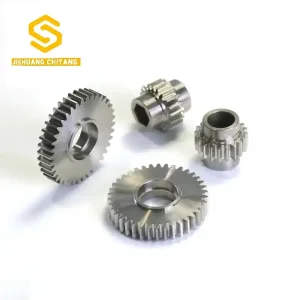
China China Automotive gear manufacturers Manufacturer, Factories
View Specifications
Wholesale OEM Customized Chinese Factory Precision Custom Hardware Accessories Magnesium Zinc Aluminum Parts Die Casting Supplier, Factories
View Specifications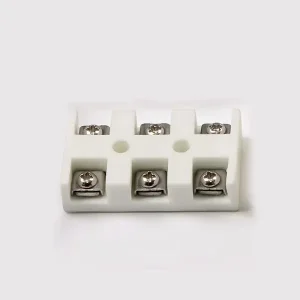
Wholesale Porcelain Terminal Block Manufacturers, Factories
View Specifications
Wholesale Supply OEM/ODM China Metal Injection Molding Parts for Mechanical Industry Manufacturers, Supplier
View Specifications
Wholesale Good Wholesale Vendors China Metal Injection Moulding MIM Mold for Communications Products Manufacturer, Factories
View Specifications
Wholesale Top Grade China Powder Metallurgy Shaft Sleeve Sintered Metal Parts Manufacturer, Supplier
View SpecificationsThe Evolution of China Powder Metallurgy & Metal Ceramics Manufacturing
An engineering analysis of modern sintering thermodynamics, microstructural density control, and cost optimization for tier-1 global OEM supply chains.
Near-Net Shape Efficiency
Conventional subtractive CNC machining can result in material scrap rates exceeding 65% when producing intricate 3D structural geometries. Modern powder metallurgy (PM) and metal injection molding (MIM) achieve material utilization rates greater than 95%, drastically reducing raw material expenditures on high-alloy steels, titanium, and cermets.
High-Density Metallurgy
By leveraging atmosphere-controlled continuous belt furnaces and vacuum sintering reaching up to 1380°C, Ningbo Jiehuang Chiyang Electronic Tech Co., Ltd. (JHMIM) yields structural parts with sintered densities spanning 96% to 99.5% of theoretical density. This eliminates interconnected micro-porosity and delivers tensile strength comparable to wrought materials.
IATF 16949 Assurance
Operating out of a 28,000 m² state-of-the-art facility equipped with 1,000-ton (10,000 kN) automated compaction presses, JHMIM maintains strict quality control systems. 100% key dimensional verification, CMM profiling, and SPC data tracking ensure zero-defect delivery across automotive, medical, and defense sectors.
Manufacturing Technology Selection & Process Blueprint
Selecting the right process route is vital for optimizing unit cost, microstructural integrity, and mechanical performance.
| Manufacturing Process | Ideal Part Weight / Size | Dimensional Tolerance | Sintered Density | Geometric Complexity | Economic MOQ |
|---|---|---|---|---|---|
| Powder Metallurgy (PM) | 5g – 2.5 kg (up to 150mm dia) | ±0.03 mm – ±0.08 mm | 88% – 95% | Medium (2.5D axial pressing) | 5,000 pcs |
| Metal Injection Molding (MIM) | 0.2g – 100g (max 286g) | ±0.01 mm – ±0.03 mm | 96% – 99.5% | Extreme (Complex 3D features) | 2,000 pcs |
| Ceramic Injection Molding (CIM) | 0.1g – 80g | ±0.005 mm – ±0.02 mm | 99.0% – 99.9% | Extreme (Wear/High Temp) | 2,000 pcs |
| Aluminum / Zinc Die Casting | 10g – 5.0 kg | ±0.05 mm – ±0.10 mm | Solid Cast (N/A) | High (Housings & Thin Walls) | 2,000 pcs |
| Precision CNC Machining | Flexible (Prototype – Production) | ±0.005 mm | Wrought Standard | Limited by Tool Access | 100 pcs |
Global Powder Metallurgy & Metal Ceramics Industry Trends
Macro-economic market drivers, material advancements, and technological evolutions reshaping global hardware procurement.
EV & Automotive Powertrain Transition
The global shift toward Electric Vehicles (EVs) demands lightweight, high-torque gears, soft magnetic sintered alloys (SMC) for high-efficiency electric motors, and variable valve timing (VVT) components. Sintered iron-nickel and copper-steel alloys provide higher vibration damping and fatigue limits than traditional machined forgings.
Titanium MIM (TiMIM) Expansion
Titanium alloy injection molding (Ti-6Al-4V) is surging across aerospace, medical surgical instrumentation, and premium consumer wearables. TiMIM delivers biocompatibility and high strength-to-weight ratios while reducing raw material wastage by over 80% compared to 5-axis CNC titanium milling.
Green Sintering & Energy Efficiency
China's leading powder metallurgy suppliers are integrating catalytic debinding, continuous vacuum sintering, and closed-loop atmosphere recycling. This drastically reduces carbon intensity per kilogram of sintered metal while satisfying stringent European carbon border adjustments (CBAM).
Advanced Ceramics (Zirconia & Alumina)
Metal ceramic hybrid components combining Zirconia ($ZrO_2$) and Alumina ($Al_2O_3$) are replacing traditional metal alloys in harsh chemical pumps, high-voltage terminal blocks, and zero-wear industrial nozzles. They feature extreme hardness (>1200 HV) and total immunity to oxidation.
Global Enterprise OEM Procurement & Engineering Solutions
How Ningbo Jiehuang (JHMIM) solves overseas buyer friction across engineering, quality verification, and supply chain logistics.
1. Automated DFM Analysis in 48 Hours
Overseas buyers often face lost time due to unoptimizable 3D drawings. JHMIM's senior engineering team conducts full Design for Manufacturability (DFM) reviews within 48 hours—identifying mold draft angles, wall thickness transitions, gating locations, and sintering shrinkage vectors (typically 15-20% for MIM) before cutting tooling.
2. In-House Rapid Tooling & 3D Metal Prototyping
Eliminate risk before mass production. We leverage in-house Direct Metal Laser Sintering (DMLS) 3D printing to provide physical functional metal prototypes within 3 to 5 days. Once approved, custom hardened steel tooling (H13/NAK80) is fabricated in-house within 25 to 30 days.
3. Traceability & Material Compliance
Every batch shipped from JHMIM carries comprehensive documentation: Spectrometric Chemical Analysis, Metallographic Grain Evaluation, Tensile/Hardness Test Reports, and Full Dimensional CMM Inspection. All raw materials fully comply with RoHS, REACH, and Conflict Mineral regulations.
Zero-Defect Quality Assurance & Global Compliance
Multi-tier inspection protocols engineered to satisfy stringent European, North American, and Japanese quality standards.
Process Control (SPC)
Real-time Statistical Process Control during automated pressing and injection molding. Automated sensor monitoring tracks binder burnout temperatures, hydrogen-nitrogen atmosphere gas ratios, and continuous furnace belt speeds to guarantee consistent Cpk > 1.33.
Secondary Operations
When sub-micron tolerances are required, JHMIM maintains in-house CNC machining, centerless grinding, CNC hobbing, oil impregnation, heat treatment (carburizing, nitriding), vacuum impregnation, and surface plating (PVD, electro-polishing, anodizing).
Global Supply Chain Support
Seamless export logistics with customized DDP, CIF, or FOB terms. Dedicated bi-lingual engineering project managers ensure fluid communication, rapid engineering change orders (ECO), and zero language barriers.
Technical Roadmap & Future Outlook
Strategic R&D investments driving next-generation sintered alloys, hybrid manufacturing, and micro-component precision.
Micro-MIM Technology (<0.05g Parts)
Demands for ultra-small surgical jaws, micro-gearing for wearable electronics, and fiber-optic connector housings are driving JHMIM's Micro-MIM research. Utilizing sub-micron metal powders (D50 < 3µm) and specialized micro-injection units, we achieve wall thicknesses down to 0.15mm with pristine surface finishes (Ra < 0.8µm).
Spark Plasma Sintering (SPS) & HIP Integration
Combining Hot Isostatic Pressing (HIP) directly post-sintering eliminates residual micro-voids, yielding 99.9% theoretical density. This enables sintered nickel-based superalloys (Inconel 718) and cobalt-chrome components to operate under extreme fatigue environments in aerospace and power turbines.
Frequently Asked Questions (FAQ)
Clear answers to technical and commercial questions regarding metal powder processing, tooling, tolerances, and procurement.
What materials can JHMIM process using Powder Metallurgy and MIM?
We process a broad spectrum of materials including Stainless Steels (316L, 17-4PH, 304L, 420), Low Alloy Steels (Fe-Ni, Fe-Cu, FN-0205, FLN2-4405), Soft Magnetic Alloys (Fe-Si, Fe-Ni), Titanium Alloys (Ti-6Al-4V, CP-Ti), Tungsten Heavy Alloys, and Technical Ceramics (Zirconia $ZrO_2$, Alumina $Al_2O_3$).
How does MIM compare financially against 5-Axis CNC Machining?
MIM becomes highly cost-effective for medium-to-high volume production (typically >2,000 pieces per year) of complex 3D parts. While CNC requires high machine time per part, MIM uses multi-cavity injection molds to produce parts in seconds, yielding unit cost savings between 30% and 60% after amortizing tooling.
Can you sign our company NDA prior to receiving 2D/3D CAD files?
Absolutely. We routinely execute mutual Non-Disclosure Agreements (NDAs) with global OEMs prior to technical file transfer. All drawings and project data remain encrypted under strict internal access control within our engineering department.
What is the standard lead time for tooling fabrication and sample submission?
Standard tooling creation for MIM and Powder Metallurgy components takes approximately 25 to 30 days. Initial T1 sample shipments (accompanied by full FAI dimension reports and material test certificates) are delivered within 5 days of tooling sign-off.
How does JHMIM manage shrinkage variations during sintering?
During MIM debinding and sintering, parts undergo linear shrinkage of 15% to 22%. Our engineering team utilizes advanced mold cavity scaling software, precise powder-to-binder volumetric ratio formulation, and uniform multi-zone thermal control to maintain tight tolerances down to ±0.3% (or ±0.02mm).
Additional OEM Machinery, Automotive & Hardware Products
Explore our full manufacturing scope, including planetary gears, MIM auto parts, brass/zinc die casting molds, and precision hardware.

China Manufacturer Custom Metal Brass Zinc Die Casting Mould Parts Anodizing Aluminum Die Casting Suppliers, Factory
View Specifications
China Factory Cheap Hot China High Quality OEM Design Custom Electronics/Automobile, Motorcycle Parts/Mechanical Parts Compression Molding Die Casting Moulds Manufacturer, Supplier
View Specifications
China China MIM Auto Parts Manufacturer, Supplier
View Specifications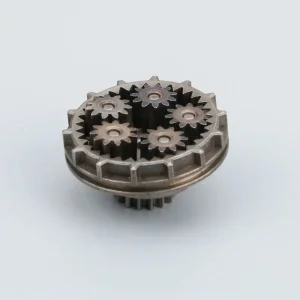
Wholesale Powder Metallurgy Planetary Gear Manufacturer, Manufacturers
View Specifications
Wholesale 2023 Good Quality China Factory Aluminium Alloy Die Casting with CNC Machining Manufacturers, Supplier
View Specifications
China China OEM MIM Auto Spare Parts Car Parts Accessories Motor Motorcycle Parts by Metal Injection Molding CNC Machining Suppliers, Factories
View Specifications
Wholesale Factory For Chinese Factory Precision Custom Hardware Accessories Magnesium Zinc Aluminum Parts Die Casting Investment Casting Manufacturer, Factories
View Specifications
Wholesale Factory Selling China Cheap OEM Metal Powder Metallurgy Hardened Iron Sector Gear Supplier, Suppliers
View SpecificationsAccelerate Your Product Engineering With JHMIM
Upload your 2D/3D drawings today. Receive a comprehensive DFM manufacturability review and fully itemized quotation within 48 hours.
Request Free Engineering DFM & Quotation