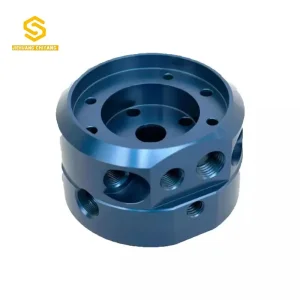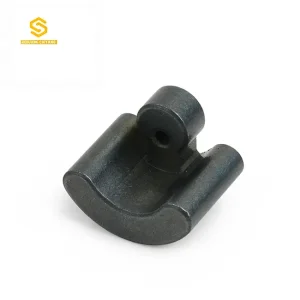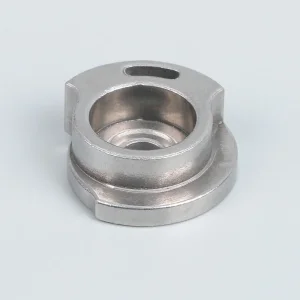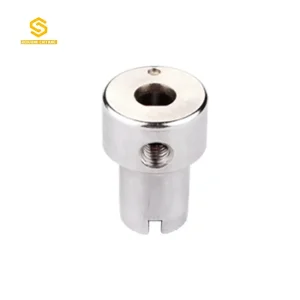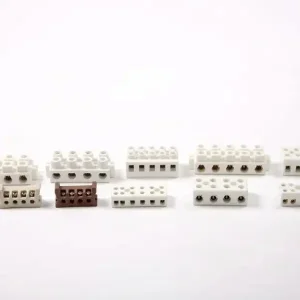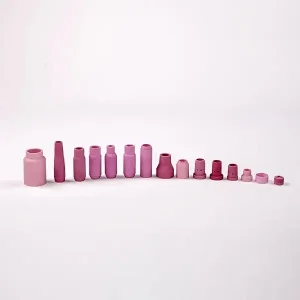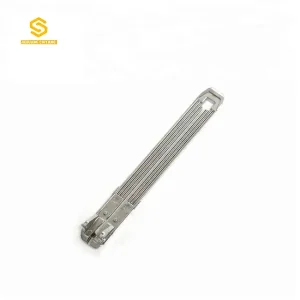
Featured Precision Components & Hardware
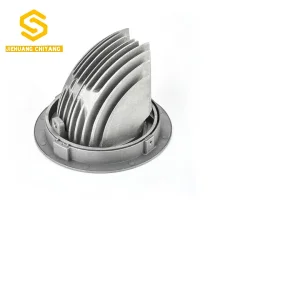
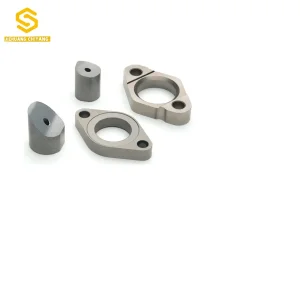
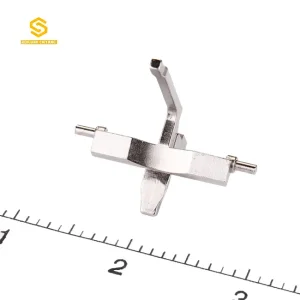
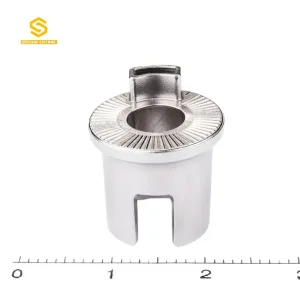
Explore our core manufacturing capabilities ranging from metal injection molding (MIM) to specialized high-pressure die-casting and ceramic formulations.
Global Landscape: Medical Injection Molding Evolution & Industry Shift
Navigating the macro-economic transformations, miniaturization demands, and stringent regulatory paradigms defining modern medical device manufacturing.
Macro Market Dynamics
The global medical device contract manufacturing market is undergoing unprecedented expansion, driven by an aging demographic, the proliferation of minimally invasive surgical (MIS) techniques, and the rapid adoption of wearable diagnostic equipment. Conventional subtractive manufacturing (CNC machining) can no longer fulfill the volumetric efficiency or geometric complexity demanded by modern biomedical engineers at scalable cost points.
Micro-Miniaturization Trends
Surgical tools, endoscopes, and implantable delivery systems require ultra-small components with tolerances held within ±0.01mm. Metal Injection Molding (MIM) and high-precision polymer medical device injection molding have emerged as the primary pathways to achieve complex 3D net-shape geometries using medical-grade stainless steels (316L, 17-4PH) and titanium alloys without prohibitive post-machining costs.
Strict Regulatory Expectations
Tier-1 medical original equipment manufacturers (OEMs) require supply chain partners capable of operating under ISO 13485 cleanroom protocols, complete raw material batch traceability, and full IQ/OQ/PQ (Installation, Operational, Performance Qualification) frameworks. High-reliability manufacturing has transitioned from a competitive option to an absolute mandatory standard.
Quantitative Excellence in Medical Manufacturing
Data-backed operational metrics reflecting our commitment to biomedical manufacturing leadership.
Localized Application Scenarios in Modern Healthcare
Medical device injection molding plays a critical, life-enabling role across various specialized medical disciplines.
1. Surgical Instrumentation & Laparoscopy
Laparoscopic surgical graspers, scissors, and harmonic scalpel housings require intricate, high-strength internal linkages. Metal Injection Molding (MIM) using 17-4PH stainless steel allows for complex internal teeth, clevis mechanisms, and cable guides to be molded directly into net shape, eliminating costly EDM (Electrical Discharge Machining) and multi-axis CNC passes.
- Endoscopic grasper jaws & articulation joints
- Surgical stapler drive wedges and anvil components
- Biopsy forcep links with micro-serrations
2. Orthopedic Implants & Fixation Tools
For temporary fixation tools, bone drill guides, and custom titanium implantable trials, Titanium MIM (TiMIM using Ti-6Al-4V) offers tensile strength comparable to wrought titanium with isotropic microstructures. These parts achieve biomechanical compliance and superior surface finishes suitable for passivated sterilization.
- Surgical drill guides and bone plate fixtures
- Spinal cage insertion tool tips
- Patient-specific external fixation hardware clamps
3. Cardiovascular & Interventional Devices
High-density components, such as radio-opaque marker bands and valve deployment handles, utilize micro-injection molding techniques with bio-compatible ceramics or tungsten-filled polymers to ensure visibility under fluoroscopy and ergonomic actuation in surgeon hands.
- Fluoroscopic tungsten marker rings
- Catheter steerable handle mechanisms
- Vascular access sheath valves and hubs
4. Drug Delivery Systems & Wearable Insuiln Pumps
Medical-grade thermoplastics like PEEK, polycarbonate (PC), and cyclic olefin copolymers (COC) are micro-molded into fluidic channels, dosage gears, and needle safety shields. High-cavitation tooling ensures low cost-per-unit for high-volume consumer medical consumables.
- Auto-injector dose setting gears and release springs
- Inhaler metering valves and nozzle housings
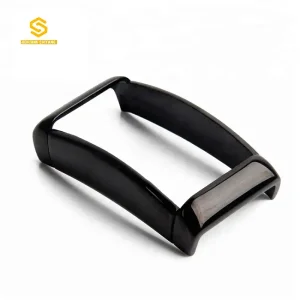
- Wearable monitor sensor frames and bio-compatible casings
Technology Roadmap & Future Outlook (2025–2035)
Key technical advancements shaping the future of medical device component manufacturing over the next decade.
AI-Driven Closed-Loop Process Control
Integration of real-time cavity pressure sensors, optical thermal cameras, and machine learning models within injection presses dynamically compensates for batch-to-batch resin/powder viscosity fluctuations. This guarantees zero-defect injection molding for safety-critical medical parts.
Bio-Resorbable & Smart Materials
Transition from inert bio-compatible materials to bio-absorbable polymers (PLGA, PLLA) and bio-resorbable magnesium alloys processed via specialized low-shear injection molding machines, enabling implants that safely dissolve within the body after tissue healing.
Micro-MIM & Ultra-Thin Wall Multi-Cavitation
Development of micro-injection units capable of shot weights below 0.01 grams, alongside high-precision multi-cavity hot runner molds, allowing economic mass production of micro-robotics and endo-luminal microsurgery tools.
Technical Process Selection Matrix for Medical OEM Engineers
| Manufacturing Process | Dimensional Tolerance | Material Range | Geometric Complexity | Tooling Amortization Economics |
|---|---|---|---|---|
| Metal Injection Molding (MIM) | ±0.3% to ±0.5% (Down to ±0.01mm) | Stainless Steels (316L, 17-4PH), Ti-6Al-4V, Co-Cr | Extremely High (Undercuts, Internal Threads) | Optimal for > 5,000 units/year |
| Medical Polymer Molding | ±0.02mm to ±0.05mm | PEEK, Polycarbonate, COC, Liquid Crystal Polymer | High (Thin Walls, Micro-features) | Optimal for > 10,000 units/year |
| 5-Axis CNC Machining | ±0.005mm | All Metals and Engineering Polymers | Medium to High (Tool Access Constrained) | Optimal for Low Vol / Prototypes (< 500 units) |
| Ceramic Injection Molding (CIM) | ±0.3% to ±0.5% | Zirconia (ZrO2), Alumina (Al2O3) | High (Electrically Insulating, Wear Resistant) | Optimal for > 2,000 units/year |
China Factory Supply Chain Resilience & Efficiency
How integrated manufacturing ecosystems in Ningbo and the Yangtze River Delta deliver unprecedented cost efficiency without compromising quality.
End-to-End Industrial Cluster Synergy
Our manufacturing center in Ningbo, Zhejiang, sits at the heart of the world's most dense metallurgy and precision tool-making cluster. Within a 30-minute radius, our facilities access ultra-fine stainless steel powder atomization plants, specialized vacuum sintering furnace builders, surface passivation facilities, and certified testing laboratories.
Rapid Tooling & Prototype Execution
Leveraging in-house high-speed CNC mold making, wire-EDM, and metal 3D printing (SLM) for early design verification, prototype tooling lead times are compressed from Western industry averages of 10–12 weeks down to just 3 to 4 weeks, drastically accelerating time-to-market for medical device innovations.
30%–50% Total Cost of Ownership (TCO) Savings
By optimizing mold design, multi-cavity efficiency, feedstock formulation, and automated debinding/sintering sequences, China factories deliver premium medical components at 30% to 50% lower unit costs compared to North American or European suppliers, providing substantial margin expansion for OEMs.
Compliance, Validation, & Quality System Infrastructure
Ensuring complete peace of mind through international quality compliance frameworks, material certifications, and local technical support.
Certified Quality Architecture
Our facilities operate under ISO 9001 and IATF 16949 certified quality management systems, strictly aligning operational practices with ISO 13485 requirements for medical devices. Every production line employs Statistical Process Control (SPC) with automated CMM inspection, vision measurement systems, and X-ray porosity testing.
Material Traceability & Cytotoxicity Compliance
All incoming metal powders and medical-grade polymers are supplied with full Mill Test Certificates (MTC). Our 316L and 17-4PH stainless steel MIM grades pass ISO 10993 cytotoxicity and biocompatibility protocols, making them safe for transient and long-term body contact devices.
Comprehensive Validation Documentation
To streamline your regulatory submissions (FDA 510(k), CE Mark under EU MDR), we provide complete validation dossiers, including IQ/OQ/PQ protocols, Mold Flow Analysis (MFA) reports, Design for Manufacturability (DFM) documentation, and full FAI (First Article Inspection) packages.
Frequently Asked Questions (Technical & Procurement FAQ)
Expert answers to common engineering, quality, and supply chain queries from medical device procurement managers.
Q1: What are the main benefits of Metal Injection Molding (MIM) over conventional CNC machining for medical instruments?
Metal Injection Molding combines the geometric freedom of plastic injection molding with the material strength of wrought metals. For complex 3D shapes (e.g., surgical grasper jaws), MIM eliminates multiple CNC setup steps, cuts material scrap from 70% down to under 5%, and provides unit cost reductions of 30% to 60% on medium-to-high volume production runs.
Q2: How do you handle dimensional shrinkage during the MIM sintering process for tight tolerance medical parts?
MIM components undergo a predictable 15% to 20% linear shrinkage during high-temperature sintering. Our engineers utilize advanced predictive mold flow and sintering distortion simulation software. Tool dimensions are scaled precisely to offset shrinkage. For ultra-critical features (e.g., ±0.01mm hole diameters or flat mating surfaces), we integrate brief secondary sizing, coining, or high-speed CNC finishing operations.
Q3: Are your metal alloys certified for biocompatibility and medical sterilization processes?
Yes. Our medical-grade materials, including 316L stainless steel, 17-4PH stainless steel, and Ti-6Al-4V titanium, comply with ISO 10993 standards for cytotoxicity and corrosion resistance. These alloys withstand standard medical sterilization methods including Autoclave (steam), Ethylene Oxide (EtO), Gamma Radiation, and Hydrogen Peroxide Gas Plasma without surface degradation.
Q4: What is your typical production lead time for custom medical injection tooling and samples?
Upon final DFM approval and drawing sign-off, prototype tooling and initial First Article Samples (FAI with 3D measurement reports) are delivered within 25 to 30 business days. Mass production lead times typically range from 3 to 4 weeks depending on batch volume and secondary finishing requirements (e.g., electropolishing, passivation, or laser etching).
Q5: What Minimum Order Quantities (MOQs) apply for custom medical injection molding projects?
While MIM tooling economics favor higher volumes, our standard MOQ for MIM medical components starts at 2,000 pieces per batch. For pre-clinical pilot builds, regulatory submission testing, and clinical trial samples, we support low-volume prototype builds through rapid soft tooling or direct metal 3D printing (SLM).
Q6: How is Intellectual Property (IP) and confidential project data protected?
We strictly enforce robust IP protection protocols. Prior to receiving your 2D/3D STEP files, we execute standard non-disclosure agreements (NDAs). All CAD data and project documentation remain isolated within encrypted servers with restricted access granted strictly to assigned project engineers.
Additional Specialized Industrial & Hardware Capabilities
Supplementary manufacturing offerings including powder metallurgy, ceramic blocks, and custom pneumatic cylinder assemblies.