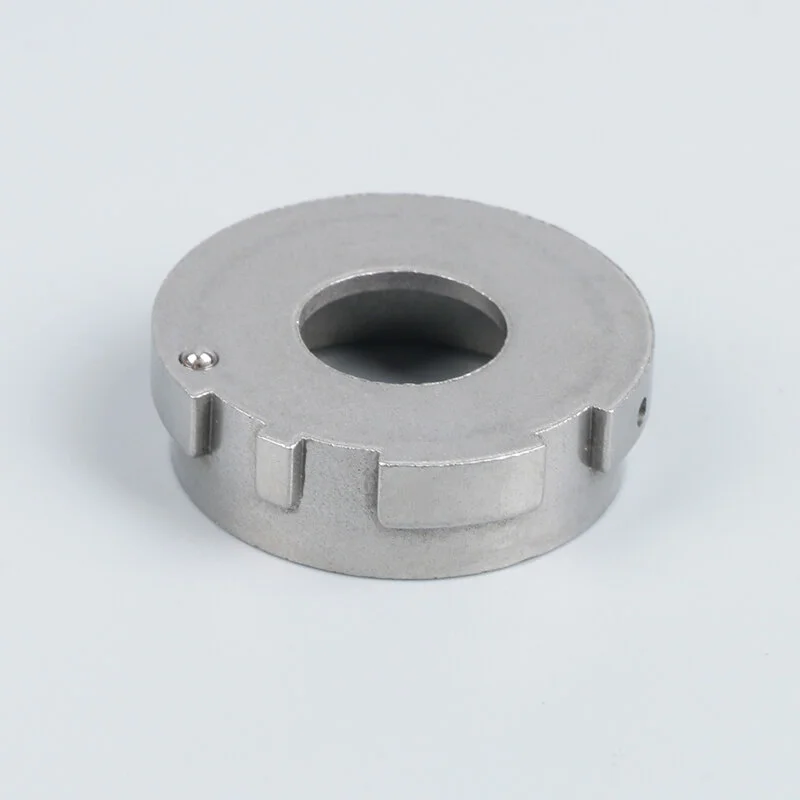
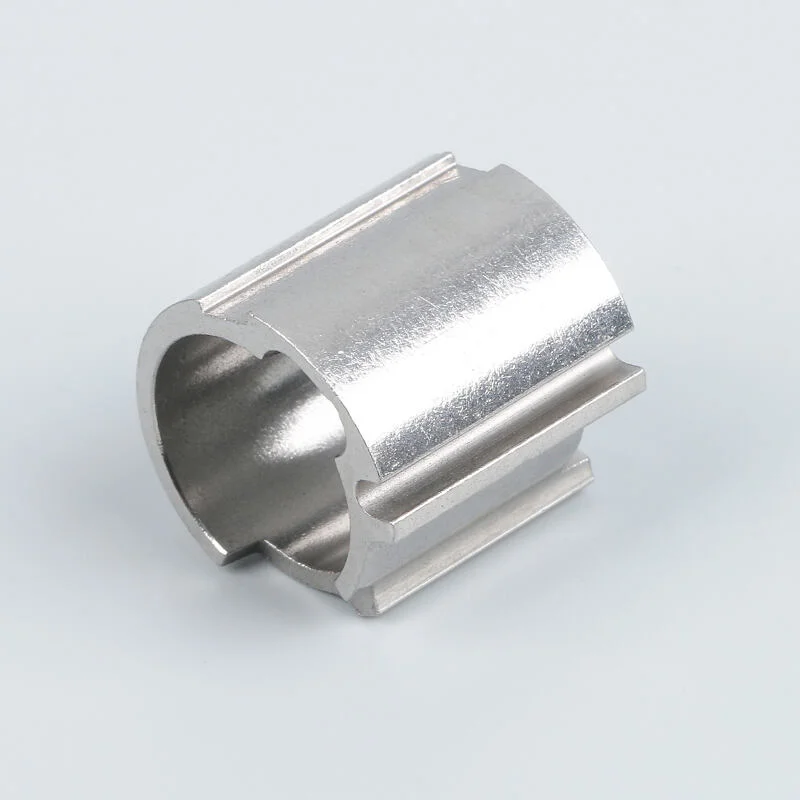
Wholesale Air Cylinder Manufacturer Manufacturers, Factories
Product Description
Unique Properties of Powder Metallurgy in Air Cylinders
Precision Manufacturing for Tight Tolerances
Powder metallurgy enables the creation of air cylinders with exceptional precision. The process involves advanced techniques like sintering and compaction, which enhance mechanical properties such as strength and toughness. These methods allow manufacturers to control porosity and density, ensuring the durability and accuracy of the final product.
The tight tolerances achieved through powder metallurgy are particularly impressive. For instance, axial dimensions can be maintained within ±0.008 inches (0.2 mm), while radial dimensions achieve tolerances of ±0.020 inches (0.5 mm). This level of precision ensures that each air cylinder meets the stringent requirements of industries relying on pneumatic tools.
Material Efficiency and Sustainability
Powder metallurgy stands out for its material efficiency and sustainability. The process minimizes waste by utilizing nearly all raw materials, producing higher material yield ratios. Additionally, advancements in powder quality have led to parts with reduced porosity, improving both durability and performance.
| Metric | Description |
|---|---|
| Reduced Waste | Powder metallurgy minimizes scrap material, leading to higher material yield ratios. |
| Improved Part Density | Advances in powder quality have led to parts with lower porosity, enhancing durability. |
| Complex Shapes | PM allows for creating intricate designs that are difficult to achieve with traditional methods. |
| Cost Efficiency | The process saves costs due to minimal waste and efficient production methods. |
| High Reproducibility | PM maintains tight dimensional tolerances and excellent part-to-part consistency. |
This combination of efficiency and sustainability makes powder metallurgy an ideal choice for air cylinder production.
Versatility in Design and Applications
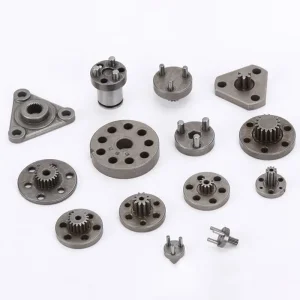
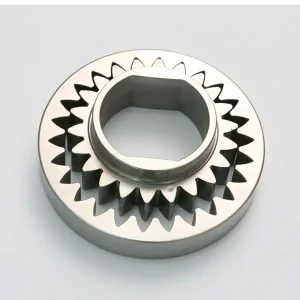
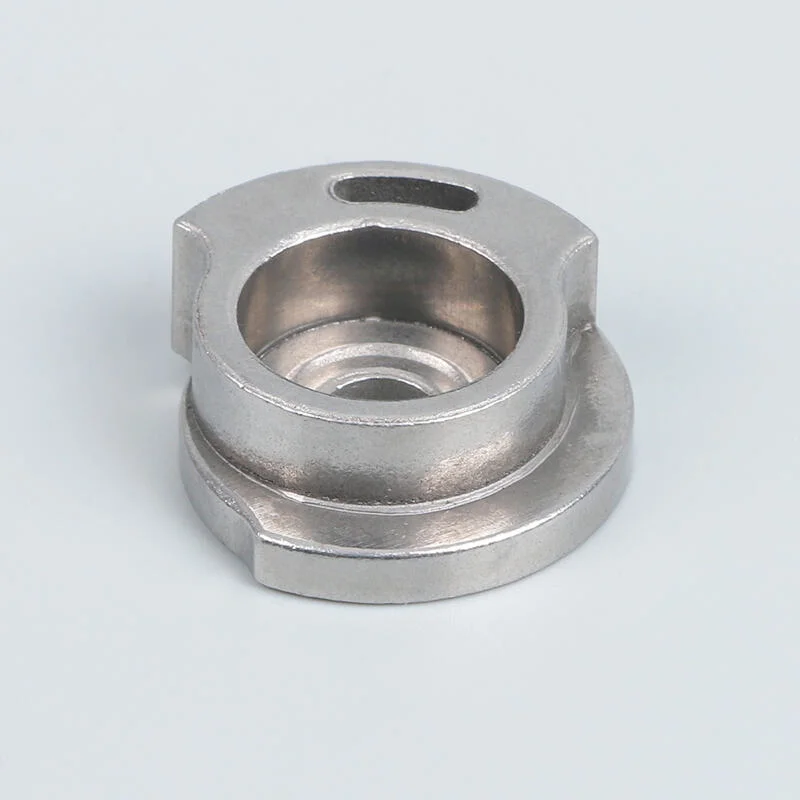
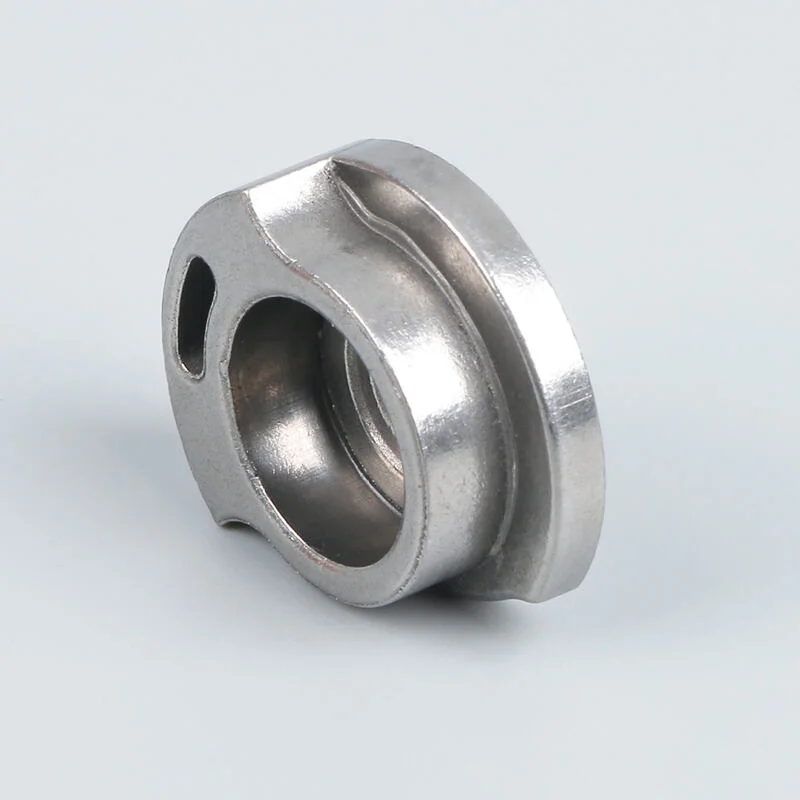
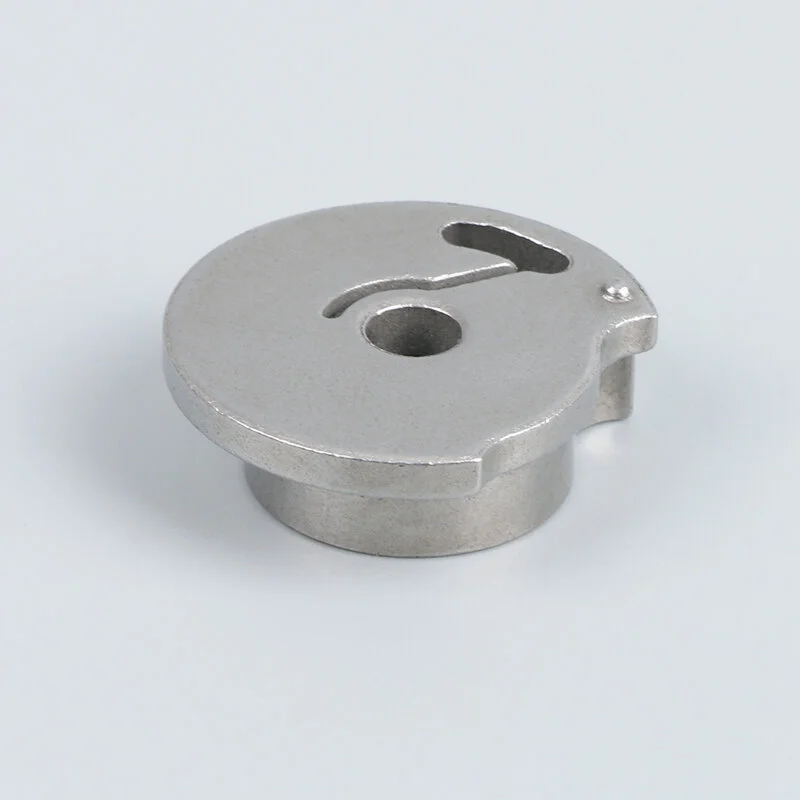
Powder metallurgy offers unmatched versatility in design, enabling the production of air cylinders tailored to specific applications. The process supports the creation of complex shapes and intricate geometries that traditional manufacturing methods struggle to achieve. This flexibility allows manufacturers to design air cylinders for a wide range of industries, including automotive, aerospace, and medical devices.
The ability to customize designs without compromising quality ensures that powder metallurgy air cylinders meet the diverse needs of modern industries. This adaptability enhances the performance and reliability of pneumatic tools, making them indispensable in various applications.
Key Advantages of Powder Metallurgy Air Cylinders for Air Tools
Lightweight Design for Improved Usability
Powder metallurgy air cylinders excel in lightweight design, enhancing usability in air tools. This manufacturing process allows designers to reduce mass by incorporating through-holes during compaction. The use of high-strength aluminum alloys and metal matrix composites (MMCs) further reduces weight while maintaining structural integrity.
- Powder metallurgy has been recognized as a lightweighting technology since its inception.
- Typical compaction pressures range from 80 psi to 1,000,000 psi, ensuring optimal density and strength.
- Automotive designers increasingly adopt aluminum PM parts to create lighter components.
This lightweight design minimizes operator fatigue and improves the maneuverability of air tools, making them more efficient for extended use.
Exceptional Durability and Wear Resistance
Powder metallurgy air cylinders demonstrate exceptional durability due to their advanced material properties. Oil-impregnated bushings provide continuous lubrication, reducing friction and wear during operation. This feature eliminates the need for frequent maintenance, ensuring long-lasting performance.
Research shows that increasing pressing pressure and sintering temperature enhances wear resistance. The incorporation of phosphorus in powder metallurgy materials further reduces wear rates. These advancements result in air cylinders capable of withstanding demanding environments, ensuring reliability in various applications.
Cost-Effectiveness Without Sacrificing Quality
Powder metallurgy offers a cost-effective solution for producing high-quality air cylinders. The process minimizes material waste and machining requirements, leading to significant cost savings.
| Evidence | Description |
|---|---|
| Customization | Enables production of tailored components at a lower cost. |
| Material Yield | High material-yield ratios reduce waste and improve efficiency. |
| Technological Integration | Industry 4.0 technologies enhance production efficiency and lower costs. |
These factors make powder metallurgy air cylinders an economical choice for industries seeking reliable and affordable air tool components.
Comparing Powder Metallurgy to Traditional Manufacturing Methods
Why Powder Metallurgy Outperforms Machining and Casting
Powder metallurgy offers distinct advantages over machining and casting for air cylinder production. This advanced process enhances customization, enabling manufacturers to create components tailored to specific applications. Unlike traditional methods, powder metallurgy minimizes material waste, achieving higher efficiency and sustainability.
- Powder metallurgy improves material efficiency by utilizing nearly all raw materials.
- It supports the creation of intricate shapes that machining and casting struggle to achieve.
- The process ensures consistent quality with tight tolerances, reducing the need for secondary machining.
These benefits make powder metallurgy a superior choice for industries requiring precision and reliability in air cylinder manufacturing.
Addressing Limitations of Traditional Air Cylinder Production
Traditional manufacturing methods often face challenges in meeting modern industry demands. Machining generates significant material waste, while casting struggles with dimensional accuracy and surface finish. These limitations increase production costs and compromise product quality.
Powder metallurgy addresses these issues by combining precision and efficiency. The process eliminates the need for extensive post-processing, reducing lead times and costs. Its ability to produce complex geometries ensures compatibility with advanced pneumatic tools. This innovative approach overcomes the constraints of traditional methods, delivering high-performance air cylinders for diverse applications.
The Future of Air Cylinder Manufacturing with Powder Metallurgy
The future of air cylinder production lies in the continued evolution of powder metallurgy. Industry forecasts predict the market will reach USD 26 billion by 2033, driven by advancements in technology. Industry 4.0 innovations, such as IoT and AI, are enhancing production efficiency and product quality.
Emerging additive manufacturing techniques, including powder bed fusion and direct metal laser sintering, are revolutionizing the industry. These methods enable the creation of complex geometries, further expanding the potential of powder metallurgy. As industries demand more efficient and reliable air cylinders, powder metallurgy will remain at the forefront of innovation.
Powder metallurgy air cylinders deliver unmatched precision, durability, and cost-efficiency. Their lightweight design enhances pneumatic tool performance, reducing operator fatigue. Industries increasingly rely on these components to meet modern demands. As innovation advances, powder metallurgy continues to redefine air cylinder manufacturing, ensuring superior quality and reliability for diverse applications.
Frequently Asked Questions (FAQ)
Q What makes powder metallurgy air cylinders more durable than traditional options?
Powder metallurgy air cylinders utilize advanced materials such as FC-0205 alongside precise manufacturing techniques like controlled sintering and compaction. Features like oil-impregnated bushings provide continuous self-lubrication, reducing friction, and wear, ensuring long-lasting performance in demanding environments.
Q Are powder metallurgy air cylinders suitable for custom applications?
Yes, powder metallurgy supports highly intricate designs, complex geometries, and tight tolerances (axial tolerances within ±0.008 inches). This flexibility allows manufacturers to tailor air cylinders precisely for specialized industries like automotive, aerospace, and medical devices.
Tip: Powder metallurgy eliminates extensive mold and machining fees, making it an exceptionally economical choice for custom air cylinder production.
Q How does powder metallurgy contribute to sustainability?
Powder metallurgy minimizes scrap material waste by utilizing nearly all raw materials in production, achieving high material yield ratios. Furthermore, reduced energy consumption during post-processing makes it a highly sustainable manufacturing alternative to casting and machining.
Q How does powder metallurgy reduce fatigue for air tool operators?
By enabling the incorporation of through-holes during compaction and utilizing high-strength aluminum alloys or metal matrix composites (MMCs), powder metallurgy significantly reduces the total weight and mass of air cylinders, improving tool maneuverability and ergonomics.
Q Why is powder metallurgy more cost-effective than machining and casting?
Powder metallurgy achieves high dimensional accuracy right out of compaction and sintering, which eliminates or minimizes the need for costly secondary machining. High material yields, low scrap rates, and part-to-part consistency drastically lower overall production expenses.
Q What technological innovations are shaping the future of PM air cylinder manufacturing?
The integration of Industry 4.0 (AI and IoT) along with emerging additive manufacturing techniques like powder bed fusion and direct metal laser sintering are expanding design possibilities and driving market efficiency.