Featured Wholesale Powdered Metal Components & Tooling
Explore our high-density powder metallurgy gear systems, MIM complex structural parts, and specialized die-casting solutions produced under strict ISO 9001 & IATF 16949 standards.
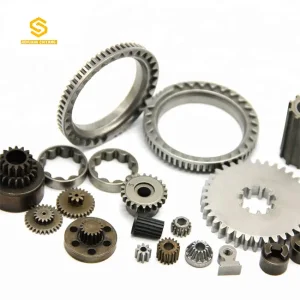
China Factory making Promotional Alloy Powder Metallurgy Product Granules Aluminum Silicon Metal for The Fields of Aviation Parts Suppliers, Factory
View Product Details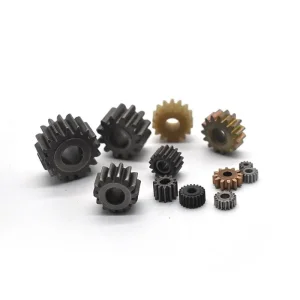
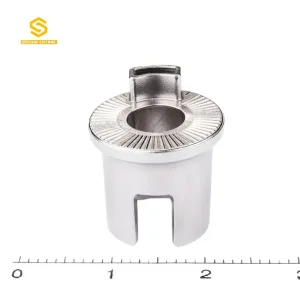
Wholesale OEM Customized Chinese Factory Precision Custom Hardware Accessories Magnesium Zinc Aluminum Parts Die Casting Supplier, Factories
View Product Details
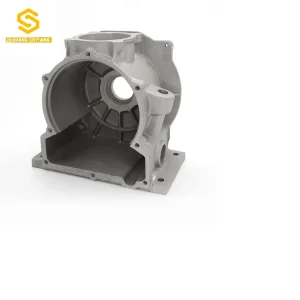
China Factory Cheap Hot China High Quality OEM Design Custom Electronics/Automobile, Motorcycle Parts/Mechanical Parts Compression Molding Die Casting Moulds Manufacturer, Supplier
View Product Details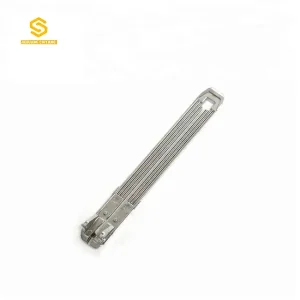
China Bottom price Metal Injection Molding for Irregular Customized Stainless Steel Parts Suppliers, Factories
View Product Details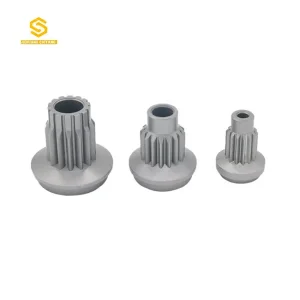
Wholesale OEM China China OEM Sintered Bronze Bush Pm Copper Powdered Metallurgy Bearings Metal Sintering Gear Parts Manufacturer, Manufacturers
View Product Details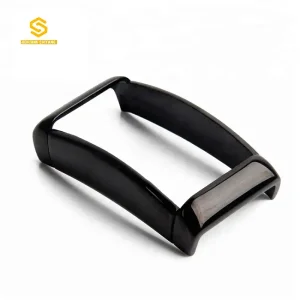
Wholesale Online Exporter Wholesale Custom High Precision MIM Metal Injection Molding Powder Metallurgy MIM Small Metal Parts Manufacturer Factory
View Product Details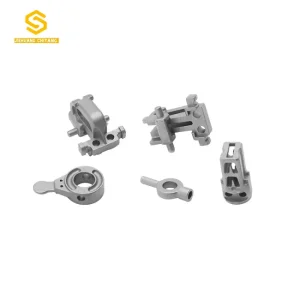
China China Factory for OEM MIM Sheet Metal Powder Injection Molding Machine Steel Stainless Custom Parts Suppliers, Factories
View Product DetailsTransforming Manufacturing Economics Through Powder Metallurgy
How Tier-1 OEM procurement directors leverage wholesale powder metal suppliers to reduce component weight, eliminate multi-axis CNC machining costs, and reach near-net-shape perfection.
In modern industrial engineering, global manufacturing ecosystems are undergoing a structural shift. As automotive powertrains, surgical medical instruments, industrial robotics, and aerospace electronics demand increasingly complex geometries with tighter mechanical tolerances, conventional subtractive manufacturing (such as multi-axis CNC milling, turning, and broaching) reaches economic and physical limitations. Tool wear, high material waste ratios (often exceeding 60-70% chip loss), and long cycle times drive up unit economics exponentially.
Wholesale powdered metals factories and specialized suppliers—most notably Ningbo Jiehuang Chiyang Electronic Tech Co., Ltd. (JHMIM)—offer a radical alternative: Near-Net-Shape Powdered Metal (PM) and Metal Injection Molding (MIM) Solutions. By sintering micro-fine metal powders into solid, high-density metallic components, powder metallurgy achieves up to 95% to 98% raw material utilization, virtually eliminating secondary machining scrap while delivering mechanical strength comparable to wrought alloys.
Material Efficiency > 95%
Powder metallurgy consolidated processes minimize scrap material. Unlike CNC milling where metal is carved away into waste chips, PM forms the exact geometry directly from compressed metal powders.
Complex Geometric Integration
MIM technology combines the design freedom of plastic injection molding with the structural integrity of metals, enabling complex undercuts, internal splines, and micro-threads without assemblies.
Scalable Cost Reduction
With press capacities up to 1,000 tons (10,000 kN) and automated high-temperature sintering lines, unit costs drop by 30% to 50% compared to traditional subtractive machining at scale.
Current Commercial & Industrial Landscape of Powdered Metals
An analytical overview of powder metallurgy adoption in North America, Europe, and the Asia-Pacific region, driving industrial supply chain resilience and electrification.
The global market for powdered metal components is expanding rapidly, fueled by electrification in automotive sectors, miniaturization in medical robotics, and demand for high-strength, lightweight structural alloys in defense and aerospace. Valued at over $30 Billion globally, the powder metallurgy landscape encompasses press-and-sinter iron/steel components, stainless steel metal injection molding (MIM), titanium injection molding (TiMIM), soft magnetic composites (SMC), and additive manufacturing metal powders (3D printing).
However, global original equipment manufacturers (OEMs) face a complex sourcing landscape. Sourcing wholesale powdered metals requires suppliers capable of delivering strict material purity, zero micro-porosity defects in high-stress zones, and fully traceable quality management systems certified to IATF 16949 and ISO 9001.
Supply Chain Insight: China has emerged as the global epicenter for precision powder metallurgy component manufacturing. Modern factories like Ningbo Jiehuang Chiyang Electronic Tech Co., Ltd. (JHMIM) integrate end-to-end tooling design, powder feed preparation, automated molding/pressing, catalytic debinding, vacuum sintering, and secondary CNC precision finishing under a single 28,000 m² plant footprint.
Deep-Dive: Metallurgy, Powder Atomization & Sintering Kinetics
Understanding how powder synthesis method, grain growth control, binder chemistry, and thermal cycles define component density and tensile strength.
1. Metal Powder Atomization & Feedstock Synthesis
The mechanical properties of any powdered metal part originate at the atomization stage. Metal powders used in wholesale OEM manufacturing are primarily produced via three methods:
- Water Atomization: High-pressure water jets disintegrate molten metal streams into irregular powder shapes. Ideal for traditional Press-and-Sinter (PM) applications requiring high green strength during die compaction.
- Gas Atomization: Inert gas (Nitrogen or Argon) produces highly spherical metal powders with smooth surface morphology, ideal for Metal Injection Molding (MIM) feedstock formulations and additive manufacturing (DMLS/SLM).
- Plasma Rotating Electrode Process (PREP): Yields ultra-clean, spherical powders of reactive metals like Titanium (Ti-6Al-4V) with zero ceramic inclusion risks, essential for medical implants and aerospace parts.
2. Debinding & High-Temperature Sintering Kinetics
In Metal Injection Molding (MIM), fine metal powder (<15 μm) is blended with a thermoplastic polyacetal/paraffin binder system to create homogeneous feedstock. After green part molding, components undergo two critical phase transformations:
- Catalytic / Solvent Debinding: Gaseous nitric acid (HNO₃) or organic solvent extracts the primary binder phase at controlled temperatures (110°C–140°C), creating a porous interconnecting "brown part" skeleton while preserving intricate geometric features.
- Vacuum / Controlled-Atmosphere Sintering: Brown parts enter continuous belt or vacuum sintering furnaces at temperatures reaching 1,250°C to 1,380°C (depending on alloy composition: 17-4PH, 316L, or Fe-Ni steel). Atomic diffusion occurs, closing inter-particle pore networks and causing uniform volumetric shrinkage of 15% to 22%, yielding fully dense parts (>96–99% theoretical density) with wrought-equivalent tensile properties.
Engineering Matrix: MIM vs. PM vs. Die Casting vs. CNC Machining
Compare mechanical capabilities, tolerance precision, volume thresholds, and tooling investment parameters to select the optimum process for your drawing.
| Manufacturing Process | Optimal Part Mass | Dimensional Tolerance | Theoretical Density | Geometric Complexity | Optimal Production Volume |
|---|---|---|---|---|---|
| Metal Injection Molding (MIM) | 0.2g to 100g (Max 286g) | ±0.3% to ±0.5% (±0.05mm) | 96% – 99% | Extreme (3D undercuts, internal threads) | 2,000 to 5,000,000+ pcs/year |
| Powder Metallurgy (PM Press & Sinter) | 5g to 2,500g | ±0.2% (AGMA Class 8 Gears) | 85% – 92% (Up to 95% re-pressed) | Moderate (2.5D stepped profiles, keyways) | 5,000 to 10,000,000+ pcs/year |
| Aluminum & Zinc Die Casting | 10g to 5,000g+ | ±0.1mm to ±0.3mm | Cast density (Potential internal porosity) | High (Thin-wall housings, cooling fins) | 2,000 to 1,000,000+ pcs/year |
| 5-Axis CNC Machining | Unlimited | ±0.005mm to ±0.01mm | 100% (Wrought barstock) | High (Limited by tool access angles) | 1 to 2,000 pcs (High unit cost at scale) |
| Direct Metal Laser Sintering (DMLS 3D) | 1g to 500g | ±0.1mm | 98% – 99.5% | Unlimited (Organic topological shapes) | 1 to 500 pcs (Low-volume prototyping) |
Localized Application Scenarios & Alloy Engineering
Tailored powder metal formulations engineered for demanding structural, thermal, and corrosion environments across major industries.
Automotive Powertrain & VVT Systems
IATF 16949 certified production of Variable Valve Timing (VVT) sprockets, turbocharger wastegate actuators, oil pump rotors, and gear sync rings using high-density Fe-Cu-C and MPIF 35 low-alloy sintered steels.
Materials: Fe-2Ni-0.5C, FN-0205, 4600 SteelSurgical & Dental Instruments
High-precision biocompatible MIM components for endoscopic grasper jaws, surgical stapler hinges, scalpel handles, and orthopedic brackets requiring high yield strength and passivated corrosion resistance.
Materials: 17-4PH, 316L Stainless, Ti-6Al-4V (TiMIM)Industrial Power Tools & Hardware
Heavy-duty planetary gearboxes, micro-bevel gears, impact driver anvils, and ratcheting pawls produced with induction hardened sintered steel to withstand extreme impact torques.
Materials: Distaloy AE, Hardened Fe-Ni-Mo SteelsConsumer Electronics & Wearables
Ultra-thin smart device hinges, camera ring bezels, smartwatch bodies, and structural brackets finished with PVD coating or optical polishing for high cosmetic appeal.
Materials: Titanium Alloy, 316L, Tungsten Heavy AlloysLocalized Support, Regulatory Compliance & Zero-Defect QA
How JHMIM protects global buyers with complete PPAP documentation, 100% optical inspection, and localized logistics support.
Advanced Quality Control Infrastructure
Our 30+ member quality team operates advanced inspection suites imported from Japan and Germany, including:
- 3D Coordinate Measuring Machines (CMM) with laser scanning head
- Optical Emission Spectrometry (OES) for powder heat composition verification
- X-ray CT scanning for internal void detection and density mapping
- Metallographic microstructural examination and micro-hardness testing
Global Compliance & OEM Standards
Every batch produced at Ningbo Jiehuang Chiyang Electronic Tech Co., Ltd. complies with international environmental and industrial standards:
- IATF 16949:2016 & ISO 9001:2015 Certified Quality Management
- REACH & RoHS Compliance: Heavy metal and hazardous substance free
- Conflict Mineral Free Declarations: Responsible raw material sourcing
- PPAP Level 3 submission packages for automotive qualification
Technology Roadmap & Future Outlook (2025–2030)
Pioneering advancements in micro-MIM, binder-jet additive integration, and sustainable zero-carbon sintering processes.
As industrial automation accelerates, the wholesale powdered metals sector is advancing toward three major technology horizons over the next decade:
Micro-MIM & Ultra-Fine Powder Synthesis
Development of sub-micron powders (<3 μm) enabling micro-injection molding for medical micro-robotics and fiber-optic connectors with wall thicknesses down to 0.10 mm.
Hybrid Metal 3D Printing & Binder Jetting
Integrating Industrial Metal 3D Printing with high-volume sintering furnaces, eliminating tooling investment for medium-batch customized production runs.
Green Sintering & Carbon Neutrality
Implementation of pure hydrogen (H₂) reduction atmosphere sintering furnaces powered by renewable energy, reducing plant carbon footprints by up to 70%.
Technical Q&A: Procurement & Engineering Considerations
Clear answers to crucial engineering, tooling, material, and logistics questions raised by wholesale procurement managers.
Wholesale OEM Sintered Components & Custom Gear Systems
Discover additional precision-engineered powder metallurgy planetary gears, MIM stainless parts, and custom die cast accessories for global export.
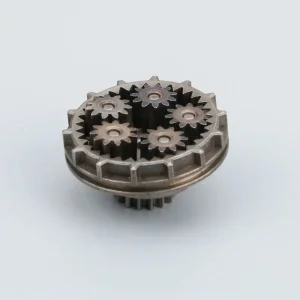
Wholesale Supply OEM/ODM China Metal Injection Molding Parts for Mechanical Industry Manufacturers, Supplier
View Product Details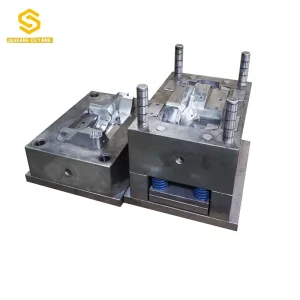
China China CNC Machining Service Aluminium Die Casting Tooling Mold Suppliers, Factories
View Product Details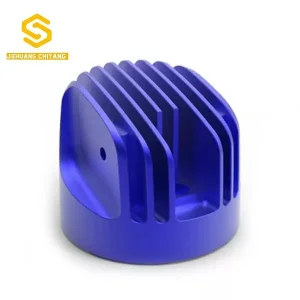
China Trending Products China Metal Foundry Product Customized Aluminum Die Casting with Sand Casting Factory, Factories
View Product Details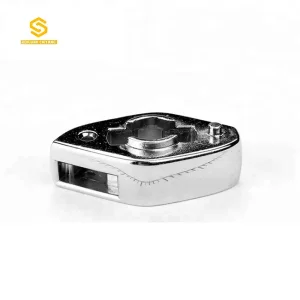
Wholesale China Supplier Metal Injection Molding MIM Medical Equipment Scissors Accessories Products, Supplier, Suppliers
View Product Details