
Osaka Market Preferred High-Precision Components
Engineered to meet stringent Japanese OEM standards, optimized for automotive, electronics, medical, and industrial automation equipment.
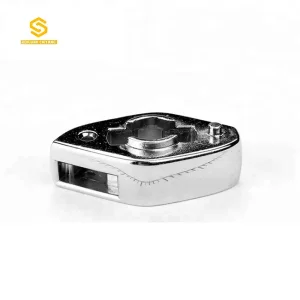
Osaka Automotive Metal Injection Moulded Copper Base Gears
High-torque copper-base MIM gears engineered for friction tolerance, structural integrity, and noise reduction in Kansai electric vehicle powertrains.
View Details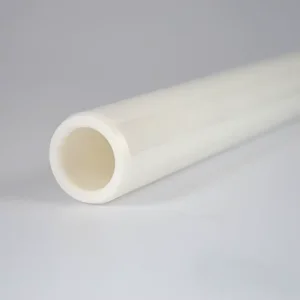
Osaka Industrial Zirconia Ceramic Tube Assembly
Ultra-wear-resistant ceramic injection molded (CIM) zirconia tubing developed for chemical processing plants across the Osaka Bay industrial region.
View Details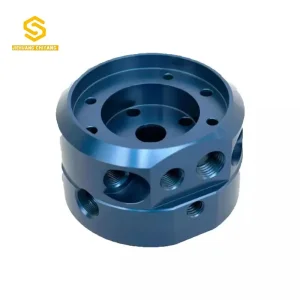
Osaka Precision Aluminium Alloy Die Casting with CNC Machining
Lightweight, high-thermal-conductivity die-cast enclosures finished with micron-level CNC tolerances for Kansai robotics manufacturers.
View Details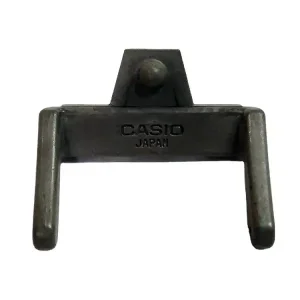
Osaka Ultra Titanium Case Parts & Stainless Steel Watch Charms
Biocompatible Titanium MIM and 316L stainless steel components crafted for high-end consumer wearables and precision optical instruments.
View DetailsThe Osaka & Kansai Industrial Landscape: Monozukuri Evolution
Understanding supply chain transformation, technological demands, and cost-efficiency benchmarks for enterprise sourcing in Western Japan.
The Osaka metropolitan area—serving as the economic powerhouse of the Kansai region—has historically stood at the heart of Japan’s heavy industry, precision machinery, automotive component manufacturing, and electronic device innovations. Characterized by the legendary "Monozukuri" (craftsmanship excellence) philosophy, manufacturers in Osaka, Sakai, Higashiosaka, and Kadoma require component suppliers that can balance uncompromising material purity, sub-micron geometric repeatability, and aggressive total-cost-of-ownership (TCO) structures.
In recent years, the Kansai manufacturing hub has undergone a rapid paradigm shift toward green mobility, advanced robotics, factory automation (FA), and biomedical engineering. This shift has elevated the demand for near-net-shape manufacturing technologies such as Metal Injection Molding (MIM), high-density Powder Metallurgy (PM), and multi-cavity Aluminum & Zinc Die Casting. As Japanese OEMs strive to reduce machining waste and lower cycle times, partnering with certified wholesale contract manufacturers equipped with complete DFM (Design for Manufacturability) capabilities has become a vital strategic advantage.
Global Precision Metal Sintering & Casting Solutions
Comprehensive analysis of net-shape metallurgy technologies engineered for high-stress applications.
Metal Injection Molding (MIM)
Combines the design freedom of plastic injection molding with the structural performance of wrought metals. Ideal for complex 3D geometries under 100g, utilizing 17-4PH, 316L, and low-alloy steels.
High-Density Powder Metallurgy
Leverages automated 1,000-ton compaction presses to manufacture high-volume structural gears, bushings, and timing pulleys with exceptional core density and torque resistance.
Low-Pressure Die Casting & CNC
High-repeatability aluminum and zinc alloy casting integrated with 5-axis CNC secondary finishing for lightweight robotic joints, motor housings, and heat sinks.
Technical Process Comparison: Sourcing Selection Guide
To assist procurement managers and chief engineering officers across the Osaka market, the table below provides a quantitative comparison between primary precision fabrication methods:
| Manufacturing Parameter | Metal Injection Molding (MIM) | Powder Metallurgy (PM) | Aluminum Die Casting | 5-Axis CNC Machining |
|---|---|---|---|---|
| Geometric Complexity | Extremely High (Undercuts, micro-holes) | Moderate (2.5D stepped profiles) | High (Complex thin-wall cavities) | High (Limited by tool access) |
| Material Utilization | 95% – 98% | 90% – 95% | 90% (Recyclable runner system) | 15% – 40% (High scrap rate) |
| Standard Tolerance | ±0.3% – ±0.5% (±0.03mm) | ±0.5% – ±0.8% | ±0.1mm (Post-CNC ±0.01mm) | ±0.005mm – ±0.01mm |
| Surface Roughness (Ra) | 1.0 – 1.6 µm | 1.6 – 3.2 µm | 1.6 – 3.2 µm | 0.4 – 0.8 µm |
| Optimal Production Batch | 2,000 to 1,000,000+ pcs | 5,000 to 500,000+ pcs | 2,000 to 200,000+ pcs | 1 to 1,000 pcs |
| Part Mass Range | 0.1g to 250g (Max 286g) | 5g to 2,000g | 50g to 15,000g | Unlimited |
Precision Implementations Across Osaka’s Core Sectors
Custom engineering deployments tailored to specific regional industrial zones in Western Japan.
Next-Gen EV Powertrains (Sakai & Harima Belt)
Custom copper-base sintered gears and magnetic alloy actuator linkages engineered for Tier-1 automotive sub-assembly plants supporting Kansai’s growing electric mobility corridor.
Factory Automation & Robotics (Osaka Bay Area)
Ultra-precise die-cast aluminum arm housings combined with MIM planetary gearboxes deployed in high-speed pick-and-place robots and automated warehouse systems.
Biomedical & Surgical Devices (Nakanoshima Hub)
Titanium (TiMIM) micro-scalpel handles, endoscopic articulation joints, and zirconia ceramic tubes fulfilling strict bio-compatibility and sterilization norms for medical device developers.
Rigorous Quality Framework Aligned with JIS & METI Standards
Ensuring complete traceability, microstructural integrity, and smooth custom clearance for Japanese procurement teams.
Procuring custom components across international borders requires stringent adherence to local technical specifications. Our quality assurance architecture operates under ISO 9001:2015 and IATF 16949 certified systems, fully aligned with Japanese Industrial Standards (JIS B 0405 / JIS B 0411).
Every production batch destined for the Osaka market undergoes rigorous inspection protocols:
- X-Ray Computed Tomography (CT) Scanning: Detects internal void formation, micro-porosity, and density variations within complex MIM geometries.
- Coordinate Measuring Machine (CMM) Verification: Automated 3D dimensional checks to ensure key features meet geometric dimensioning and tolerancing (GD&T) requirements.
- Inductively Coupled Plasma (ICP) Spectroscopy: Guarantees chemical alloy composition compliance (RoHS, REACH, and JIS material specifications).
- Salt Spray & Environmental Stress Testing: Validates surface treatments including passivation, electroplating, PVD coating, and anodizing.
Accelerate Your Osaka Supply Chain Today
Submit your 2D (PDF) and 3D (STEP) drawings to receive a comprehensive DFM manufacturability analysis and itemized quote within 48 hours.
Send Inquiry NowAdvanced Metallurgy Roadmap (2026–2032)
Pioneering innovations in green hydrogen sintering, micro-MIM, and AI-driven thermal distortion prediction.
Integration of finite element thermal shrinkage modeling to reduce tooling modification cycles from 3 iterations to 1.
Transitioning debinding and sintering atmosphere furnaces to clean hydrogen mixtures, reducing carbon footprint by 65% for eco-conscious OEMs.
Commercialization of sub-millimeter component injection molding for micro-robotics, medical implants, and optical sensors.
Combining binder jetting metal 3D printing with high-volume MIM continuous vacuum sintering furnaces for zero-tooling pilot runs.
Comprehensive OEM Sourcing Lineup for Kansai Buyers
Explore our full range of custom injection molded, die-cast, and powder metallurgy components engineered to drawing specifications.
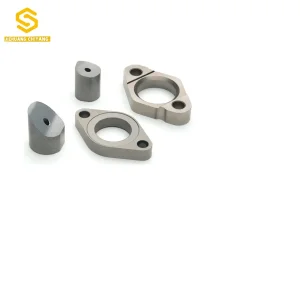
OEM Plastic Injection Moulding Components (ABS/PP/POM)
Precision engineering plastic parts and custom injection molds for Kansai industrial controls and consumer electronics housings.
View Details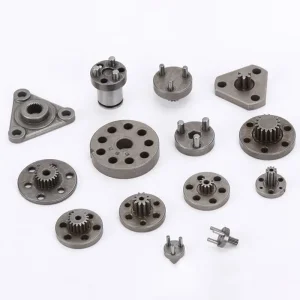
Custom Powder Metallurgy Products for Kansai Machinery
Cost-effective sintered structural parts, self-lubricating bushings, and high-density cams manufactured to tight tolerances.
View Details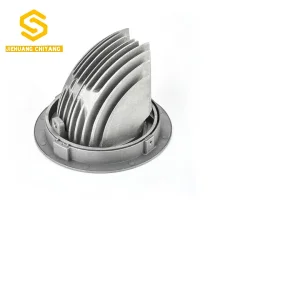
Precision Aluminium Alloy Die Casting Lighting Spare Parts
Durable, heat-dissipating aluminum die-cast housings crafted for commercial outdoor lighting and municipal infrastructure in Osaka.
View Details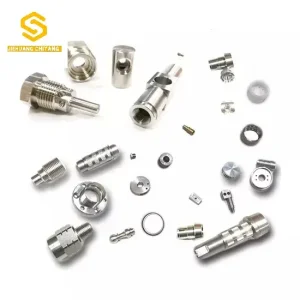
Metal Injection Molding (MIM) Sintering Industrial Parts
High-strength sintered 17-4PH and 316L components engineered for heavy-duty power tools and automated manufacturing systems.
View Details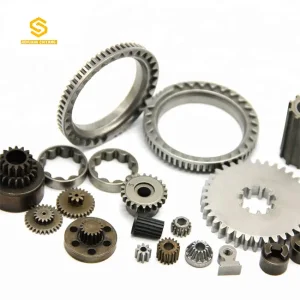
Top Grade MIM Engineering Components for Osaka Robotics
Sub-miniature stainless steel hinges, levers, and structural arms providing high wear resistance in compact robotic joints.
View Details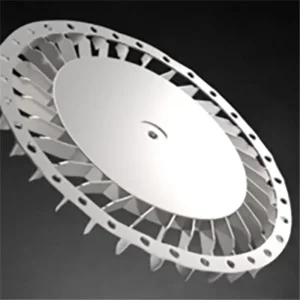
Metallic CPU Cooling Fan MIM Components for Electronics
High-thermal-efficiency metallic fan blades and motor hubs optimized for server racks and computing hardware manufactured in Kansai.
View Details
High Precision 304 Stainless Steel Metal Fabrication Parts
Corrosion-resistant 304 stainless steel fabricated parts crafted for food processing and pharmaceutical machinery in Osaka.
View Details
Low Pressure Aluminum Die Casting Components
Structural low-pressure aluminum castings engineered for low gas porosity, high tensile strength, and leak-proof hydraulic assemblies.
View DetailsFrequently Asked Questions by Osaka Buyers
Detailed responses addressing engineering specifications, lead times, minimum orders, and quality control.
Why is MIM preferred over CNC machining for complex OEM components?
Metal Injection Molding (MIM) achieves near-net-shape production for complex 3D geometries in a single molding operation. While CNC machining incurs high tool wear and chip waste (often scrapping up to 70% of raw stock), MIM achieves 95%+ material utilization. For annual volumes over 2,000 pieces, MIM typically yields a 30% to 50% unit cost reduction while maintaining tight ±0.03mm tolerances.
How do you handle non-disclosure agreements (NDAs) and IP protection?
Intellectual property protection is paramount when working with proprietary designs from Japanese manufacturers. We routinely execute bilateral NDAs prior to receiving engineering files. All STEP, IGES, and PDF files are stored on isolated, encrypted servers with strict role-based access control.
What are the standard Minimum Order Quantities (MOQs)?
Our standard MOQ thresholds are structured by technology: 2,000 pieces for Metal Injection Molding (MIM), 2,000 pieces for Die Casting & CNC finishing, and 5,000 pieces for conventional Powder Metallurgy (PM). Prototype quantities via metal 3D printing can be evaluated individually prior to tool construction.
What material standards do you support for Japanese OEM orders?
We work across international material cross-reference standards, including JIS (Japanese Industrial Standards), ASTM, MPIF 35, and DIN. Common grades include SUS316L, SUS17-4PH, Ti-6Al-4V (Grade 5), ADC12 aluminum, and iron-nickel sintered alloys.
Partner with a Certified Wholesale Manufacturer for the Osaka Market
Our engineering team is ready to review your project specifications, perform a complimentary DFM analysis, and provide transparent part and tooling pricing within 48 hours.