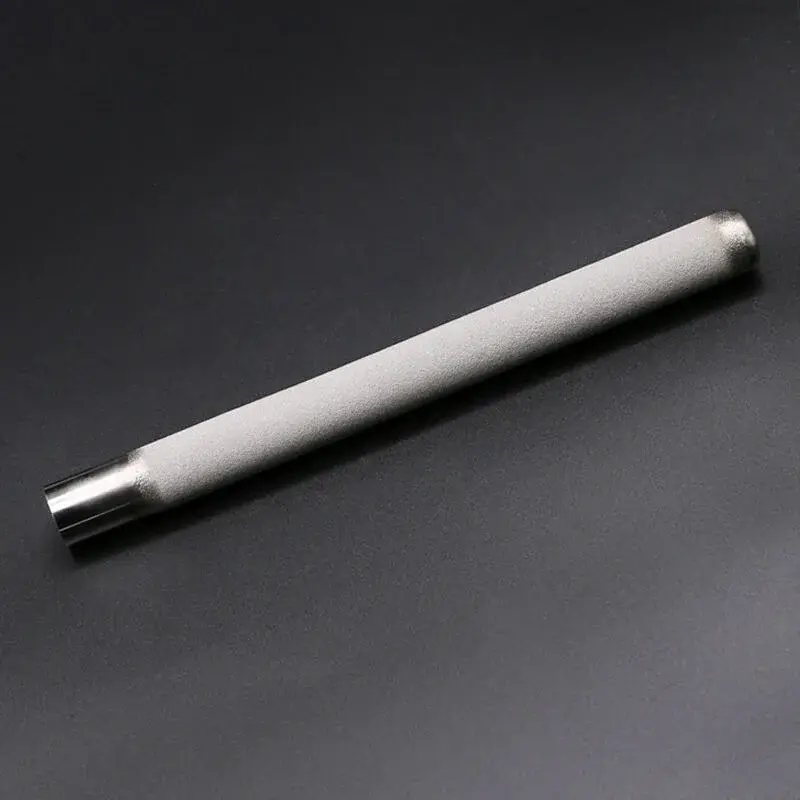
China Sintered Filter Manufacturer Supplier, Factory
Product Description
Key Features and Benefits of Sintered Filters
Durability and Longevity
Sintered filters are renowned for their exceptional durability, making them a reliable choice for demanding industrial applications. Their construction involves fusing metal particles under high heat and pressure, resulting in a robust structure that withstands extreme conditions. Industries benefit from their long lifespan, as these filters resist wear, corrosion, and mechanical stress.
The materials used in sintered filters further enhance their durability. The table below highlights some commonly used materials and their properties:
| Material Type | Material | Key Properties | Common Applications |
|---|---|---|---|
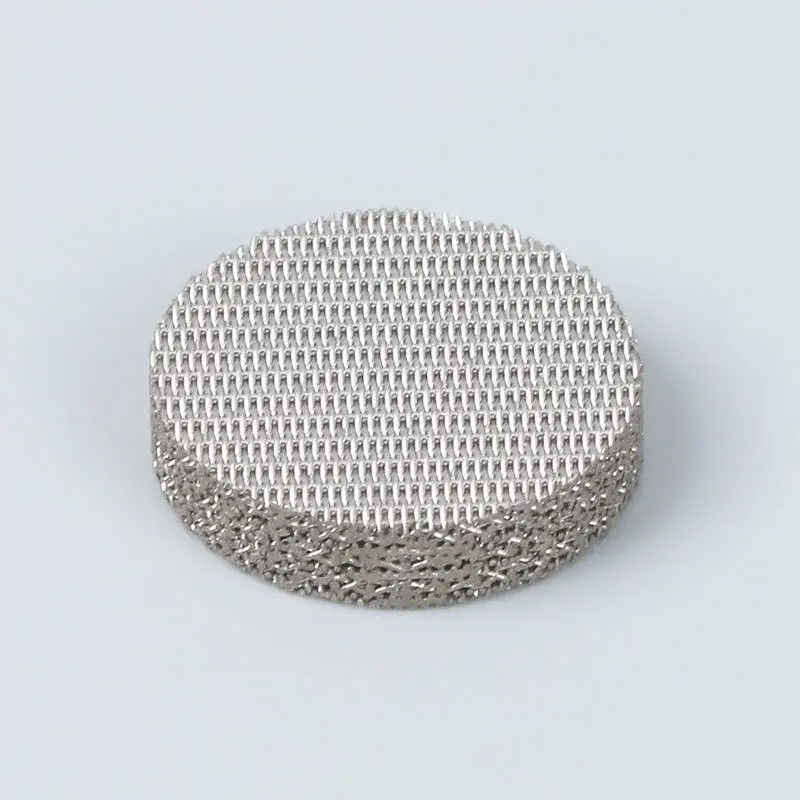
| Metallic | Stainless Steel (316L, 304) | Excellent corrosion resistance, high strength, thermal stability, and long lifespan. | Chemical processing, pharmaceuticals, gas filtration, food & beverage. |
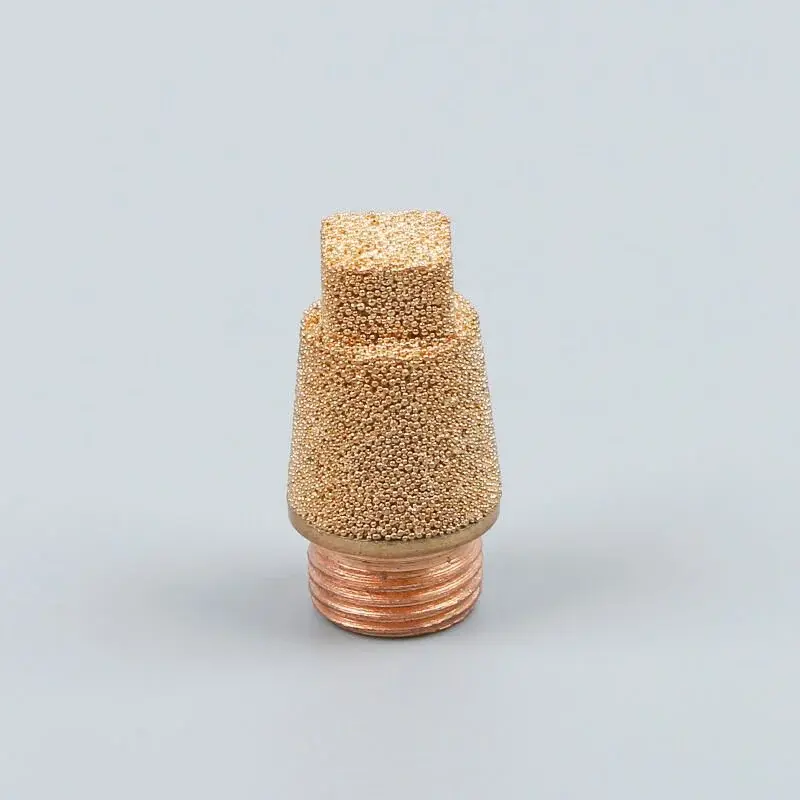
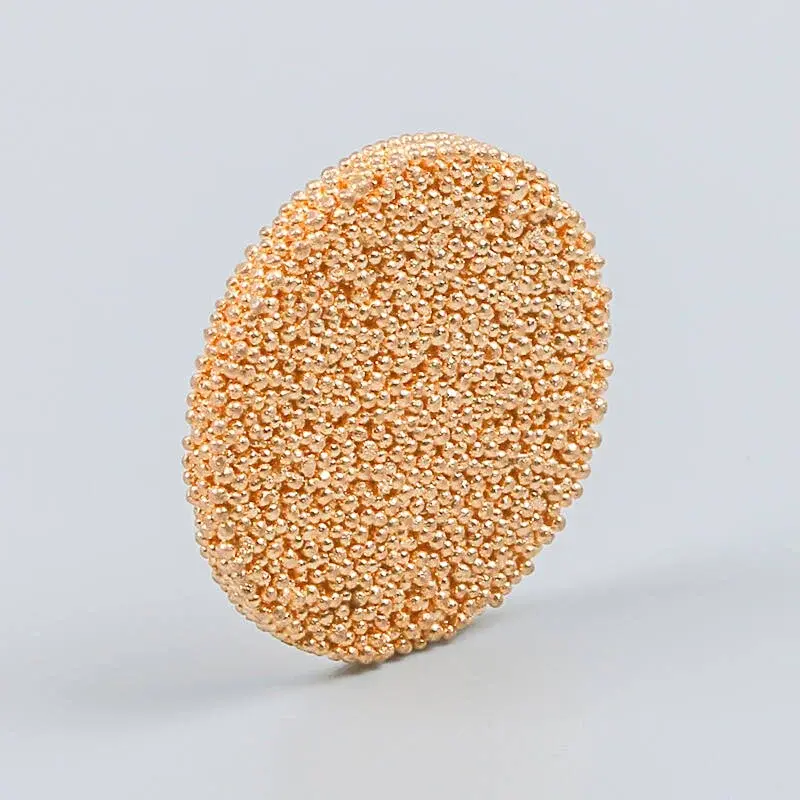
| Bronze | Good corrosion resistance, high thermal conductivity, and cost-effective. | Pneumatics, lubrication systems, fuel filtration. | |
| Titanium | Outstanding corrosion resistance, lightweight, biocompatible, and high strength-to-weight ratio. | Medical devices, aerospace, high-purity chemical filtration. | |
| Nickel & Alloys (Monel, Inconel, Hastelloy) | High-temperature resistance, superior chemical durability, and extreme mechanical strength. | Harsh chemical environments, aerospace, marine applications. | |
| Tungsten Carbide (WC) | Extreme hardness, excellent wear resistance, and high thermal conductivity. | Abrasive particle filtration, industrial harsh environments. | |
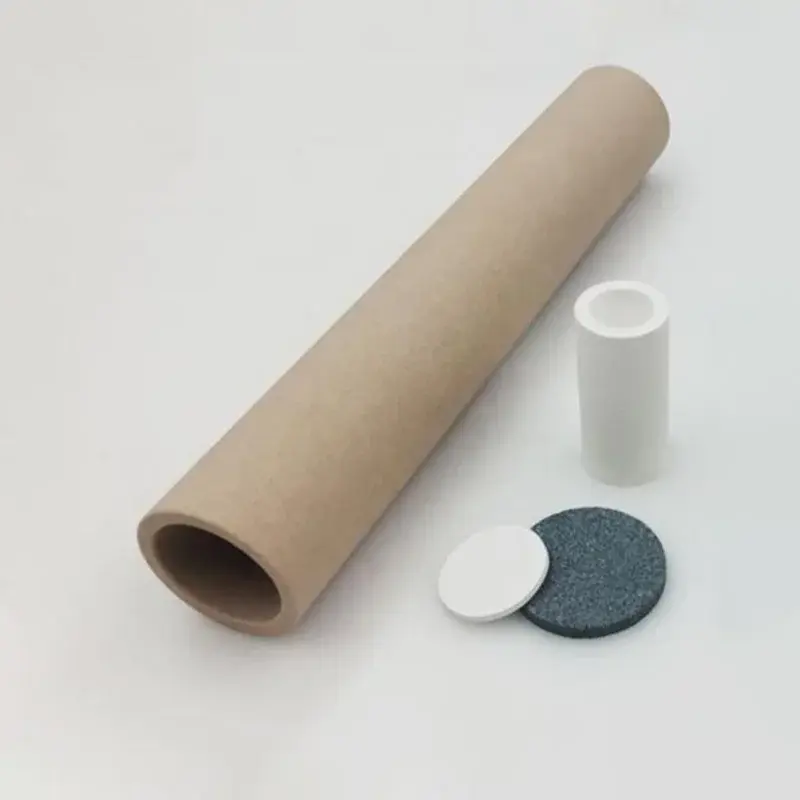
| Ceramic | Aluminum Oxide (Alumina, Al₂O₃) | High wear resistance, excellent thermal stability, and chemical inertness. | High-temperature gas filtration, semiconductor manufacturing. |
| Silicon Carbide (SiC) | Extreme hardness, superior thermal conductivity, and chemical durability. | Molten metal filtration, exhaust gas treatment. | |
| Zirconia (ZrO₂) | Exceptional toughness, high thermal shock resistance, and excellent chemical stability. | High-precision filtration, fuel cell applications, medical industries. | |
| Polymer | PTFE (Polytetrafluoroethylene) | Exceptional chemical resistance, non-stick properties, and thermal stability. | Water filtration, pharmaceutical & chemical processing, food industry. |
| PE, PP, PVDF | Lightweight, cost-effective, and resistant to acids and bases. | Liquid filtration, battery separators, chemical industries. | |
| Carbon-Based | Activated Carbon | High porosity, excellent adsorption for organic compounds and gases. | Air purification, water treatment, chemical processing. |
| Glass (Borosilicate, Quartz) | Excellent chemical resistance, high-temperature stability, and transparency for monitoring flow. | Laboratory filtration, medical gas filtration, high-purity processing. | |
| Silica-Based (Porous Silica, SiO₂) | High chemical resistance, precise pore structure for ultrafine filtration. | High-purity chemical processing, biotechnology, pharmaceutical filtration. |
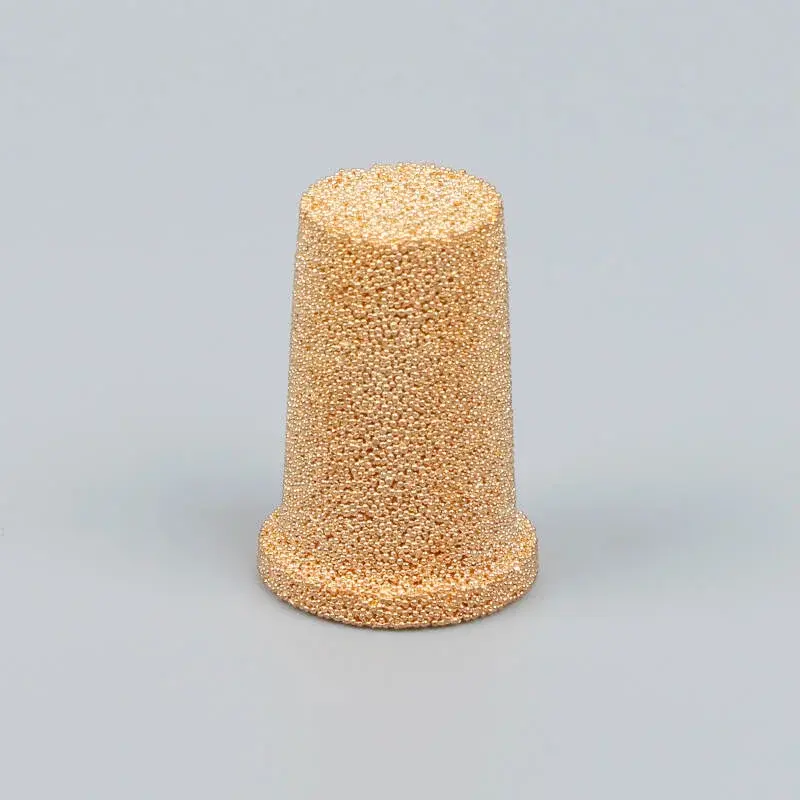
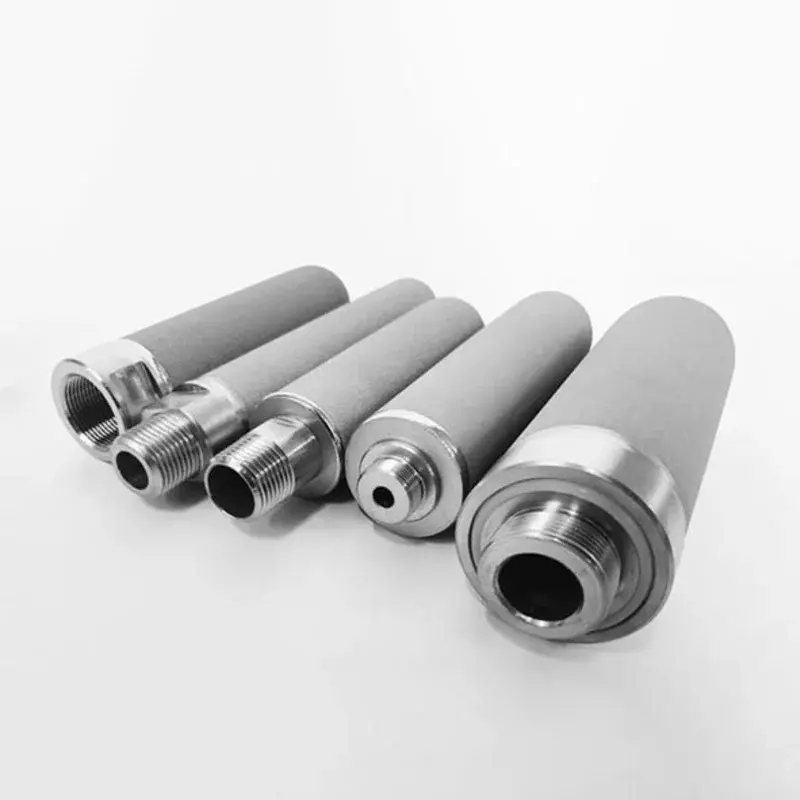
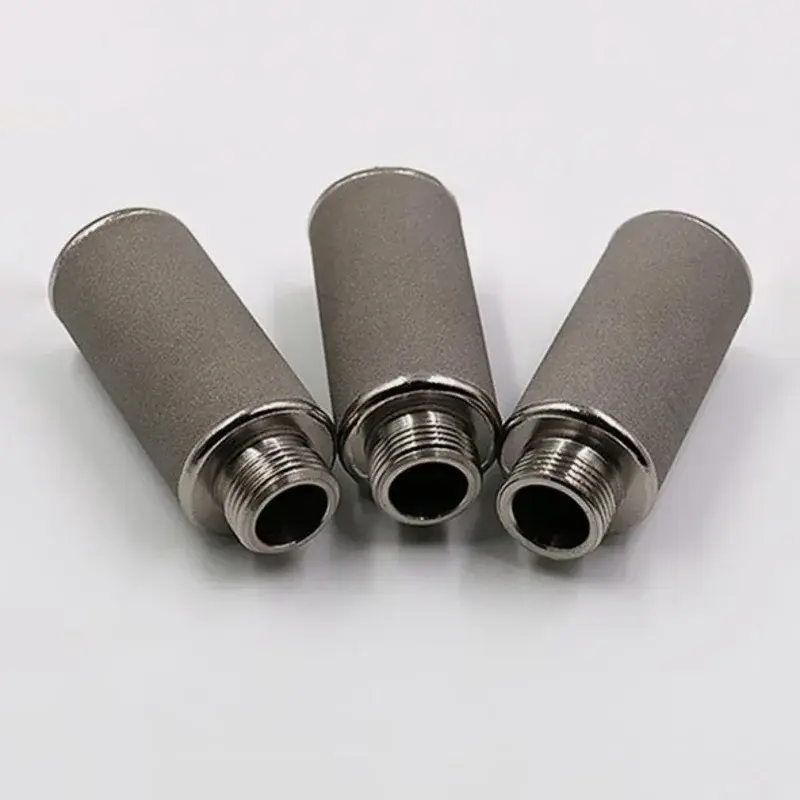
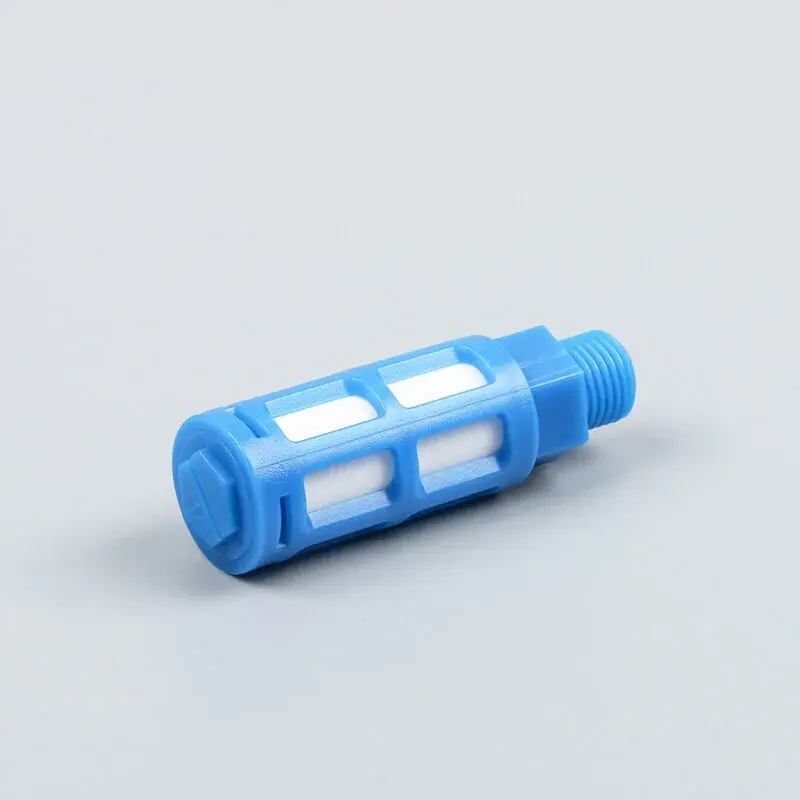
In real-world applications, sintered filters have demonstrated their longevity. For example, in pharmaceutical production, they reduced particulate contamination, improving product quality. Similarly, in beverage production, they enhanced beer clarity, leading to higher customer satisfaction.
High Filtration Precision
Sintered filters excel in achieving high filtration precision, ensuring the removal of even the smallest contaminants. Their controlled pore size and distribution allow for consistent performance across various industrial conditions. The table below illustrates the filtration precision range of sintered filters:
| Pore Size (µm) | Filtration Rating (Liquid) (µm) | Filtration Rating (Gas) (µm) |
|---|---|---|
| 0.1 | N/A | 0.1 |
| 0.2 | 1.4 | N/A |
| 5 | N/A | N/A |
| 20 | 35 | N/A |
These filters maintain their precision under harsh conditions due to their high porosity and chemical resistance. They also endure high temperatures, making them suitable for extreme environments. Their ability to withstand backwashing and other cleaning processes ensures consistent performance over time.
Versatility Across Industries
The versatility of sintered filters makes them indispensable across a wide range of industries. Their adaptability stems from their customizable designs and material options, which cater to specific operational needs. Industries such as chemical processing, petroleum refining, and food and beverage production rely on these filters for their unique benefits.
| Industry | Benefit |
|---|---|
| Chemical Processing | Purifies and clarifies chemical substances, ensuring removal of impurities and contaminants. |
| Petroleum Refining | Separates solids and contaminants from crude oil, enhancing purity of refined products. |
| Food and Beverage | Maintains hygiene and product quality in liquids and gases during production. |
For instance, in the oil and gas sector, sintered filters remove contaminants like sand and rust from natural gas and crude oil. In water treatment facilities, they ensure clean water output by eliminating impurities and bacteria. Their ability to adapt to diverse applications underscores their value as a versatile filtration solution.
The Manufacturing Process of Sintered Filters
The Sintering Process Explained
The sintering process involves a series of meticulously executed steps that transform raw metal powders into high-performance sintered filters. Each step contributes to the filter's durability, precision, and efficiency. Below is an overview of the key stages:
This process sets sintered filters apart from other manufacturing methods by delivering unmatched precision and reliability.
Strength and Porosity Advantages
Sintered filters offer a unique combination of strength and porosity, making them ideal for demanding industrial applications. Their robust structure withstands extreme temperatures and pressures, ensuring reliable performance in harsh environments. The high porosity of these filters allows for efficient fluid flow while maintaining excellent particle retention. This balance between strength and porosity enhances filtration efficiency, enabling the removal of contaminants from liquids and gases with precision.
The sintered filter's ability to handle high flow rates without compromising filtration quality makes it a superior choice compared to traditional filters. Its mechanical strength ensures durability, reducing the risk of failure in critical operations.
Environmental and Cost Efficiency
Sintered filters contribute significantly to environmental sustainability. Their reusable design reduces waste, as they can be cleaned through methods like backwashing or chemical cleaning. This longevity minimizes the need for frequent replacements, lowering operational costs over time. Additionally, their energy-efficient performance in large-scale industrial settings helps reduce the carbon footprint of filtration processes.
These filters also support sustainable practices by effectively removing impurities and contaminants, ensuring the purity of filtered products. Their ability to retain spent catalysts prevents contamination of downstream processes, further enhancing environmental protection.
Unique Properties of Sintered Filters
Corrosion and Heat Resistance
Sintered filters exhibit exceptional resistance to both corrosion and high temperatures, making them indispensable in demanding industrial environments. Their material composition plays a critical role in these properties. For instance, stainless steel grades like 316L and 310 offer excellent corrosion resistance and withstand temperatures up to 2100°F. Inconel® alloys, such as Inconel® 625 and 690, provide superior performance in extreme conditions, resisting oxidation and stress-corrosion cracking.
| Material | Corrosion Resistance | High Temperature Resistance |
|---|---|---|
| Stainless Steel | Excellent, varies by grade | Varies by grade, up to 2100°F for 310 |
| Inconel® 600 | Good resistance to high-temperature oxidation | Excellent in extreme environments |
| Inconel® 625 | Superb corrosion resistance | High strength at elevated temperatures |
| Inconel® 690 | Superior corrosion and stress-corrosion cracking resistance | High chromium content enhances resistance |
Cleanability and Reusability
The reusability of sintered filters significantly reduces operational costs and environmental impact. These filters can be cleaned using various methods, ensuring their efficiency and extending their lifespan. Common cleaning techniques include:
- Backwash: Forces liquid or gas to flow in reverse, effectively removing trapped particles.
- Ultrasonic Cleaning: Uses ultrasonic waves to dislodge stubborn contaminants.
- Chemical Cleaning: Employs cleaning agents tailored to specific impurities.
- Thermal Cleaning: Immerses the filter in hot water (60°C to 80°C) to dissolve grease and dirt.
Customizable Designs for Specific Applications
Sintered filters offer unparalleled customization options, allowing industries to tailor them to specific operational needs. Customization includes material selection, pore size, physical dimensions, and surface treatments. Multi-layer configurations enhance dirt-holding capacity, while sensor integration enables real-time monitoring.
Applications of Sintered Filters in Industry
Automotive and Petrochemical Sectors
Sintered filters play a vital role in improving efficiency and safety in the automotive and petrochemical industries. Their ability to retain spent catalysts prevents contamination in downstream processes, enhancing both operational efficiency and environmental protection. These filters also ensure clean fuel supply to engines and filter fluids in hydraulic braking and power steering systems. In petrochemical applications, sintered metal filters purify natural gas, crude oil, and petrochemical fluids by removing contaminants like sand and rust (achieving less than 50 ppm filtrate quality in Chinese refinery FCC slurry oil systems).
Water Treatment and Environmental Protection
Sintered filters excel in water treatment processes by removing impurities and contaminants from liquids and gases. Their robust design ensures durability in harsh chemical environments, effectively eliminating bacteria and suspended solids to provide clean water output that complies with strict health and safety standards.
Food and Beverage Processing
The food and beverage industry relies on sintered filters for clarifying beverages, filtering cooking oils, and processing dairy products. Their uniform pore structure provides consistent filtration performance and high dirt-holding capacity, minimizing replacement frequency and reducing maintenance downtime.
Chemical and Pharmaceutical Industries
In chemical and pharmaceutical manufacturing, sintered filters address critical challenges by retaining spent catalysts and maintaining fluid sterility. Engineered pore structures allow precise elimination of microorganisms and fine particulate matter, satisfying demanding regulatory requirements for safety and purity.
Sintered filters deliver unmatched performance by combining advanced engineering with practical benefits. Their high pore density ensures precise filtration, while their durability reduces downtime and costs. These reusable filters support sustainability goals, making them the ultimate solution for industrial filtration.
Frequently Asked Questions (FAQ)
What industries benefit the most from sintered filters?
Industries like automotive, petrochemical, water treatment, pharmaceutical, and food processing gain significant advantages. Sintered filters enhance operational efficiency, ensure product quality, and meet stringent regulatory standards.
How do sintered filters support sustainability goals?
Sintered filters are reusable and cleanable, reducing waste and operational costs. Their durability minimizes replacements, while their energy-efficient performance lowers carbon footprints in industrial filtration processes.
Can sintered filters handle extreme temperatures?
Yes, sintered filters made from materials like stainless steel 310 or Inconel® alloys withstand extreme temperatures up to 2100°F (1150°C), ensuring reliable operation under high-heat conditions.
What materials are used to manufacture sintered filters?
Sintered filters are manufactured using metallic powders (Stainless Steel, Bronze, Titanium, Nickel Alloys, Tungsten Carbide), Ceramics (Alumina, Silicon Carbide, Zirconia), Polymers (PTFE, PE, PP, PVDF), and Carbon/Glass materials depending on application requirements.
How can sintered filters be cleaned for reuse?
They can be cleaned through methods such as backwashing (reverse fluid or gas flow), ultrasonic cleaning, chemical cleaning with targeted cleaning agents, and thermal cleaning using hot water (60°C to 80°C).
What steps are involved in the manufacturing process?
The primary stages include Material Selection, Powder Mixing, Compaction, Shaping, Debinding, Sintering (particle fusion under heat), Calibration, Surface Treatment, Quality Control testing, and Packaging.