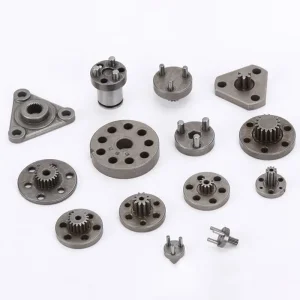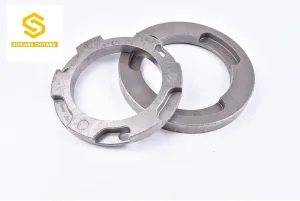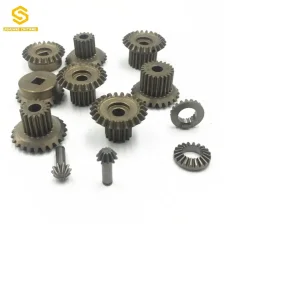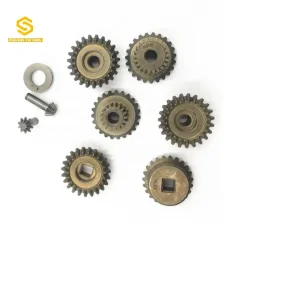

Wholesale Abs rings manufacturer Manufacturer, Factory
Product Description
Understanding ABS Rings
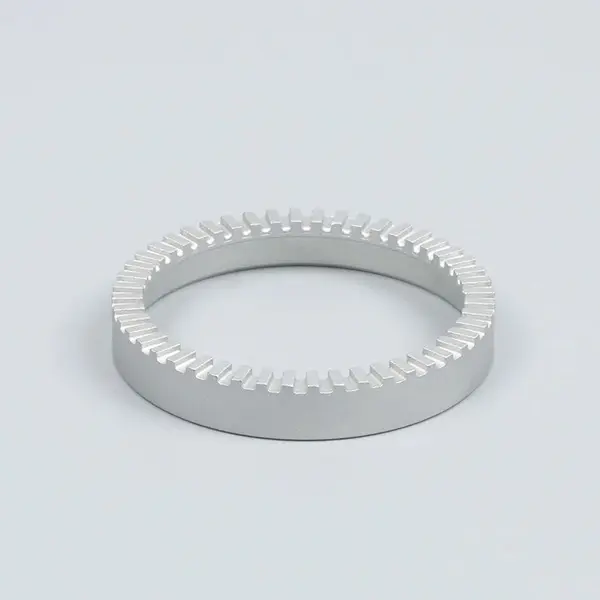
What Is an ABS Ring?
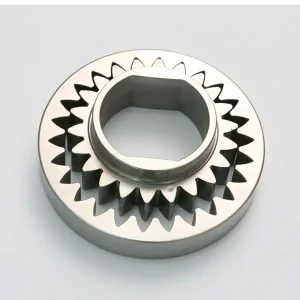
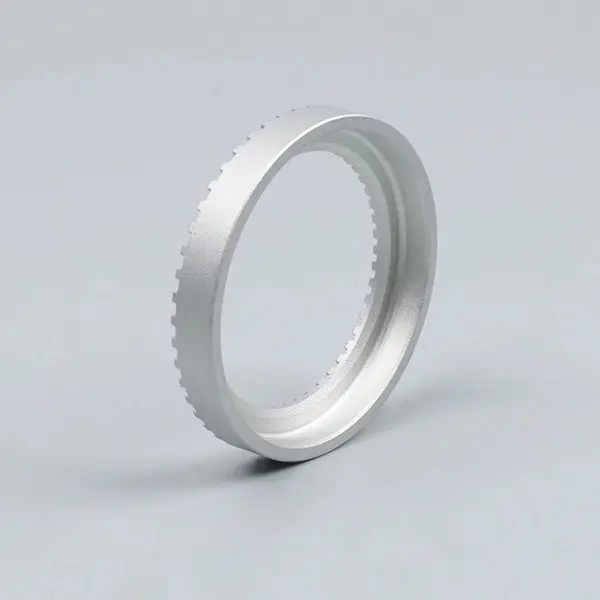
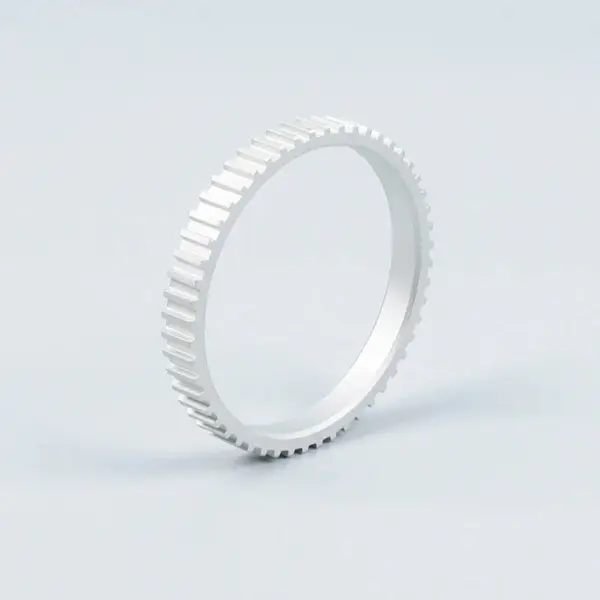
An ABS ring is a critical component of the anti-lock braking system (ABS) in modern vehicles. It is a circular metal ring with a specialized design that interacts with wheel speed sensors to monitor the rotational speed of each wheel. This real-time data allows the ABS control unit to adjust braking pressure, preventing wheel lock-up and maintaining vehicle stability. The precise engineering of the ABS ring ensures accurate signal transmission, which is essential for optimal braking performance.
Placement and Role in the Vehicle
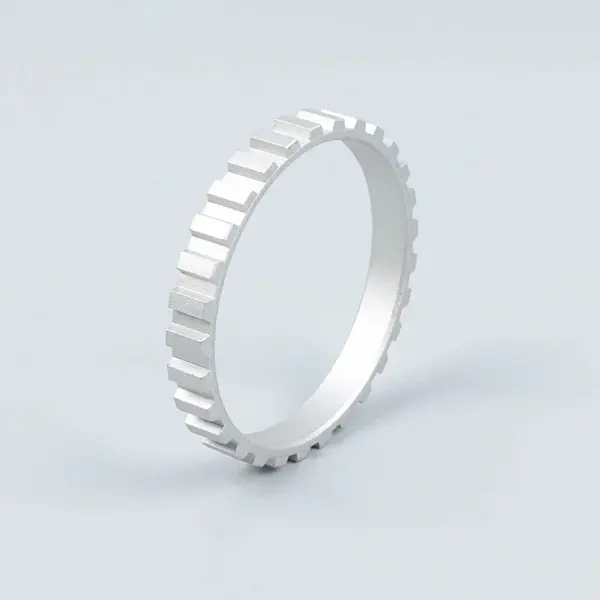
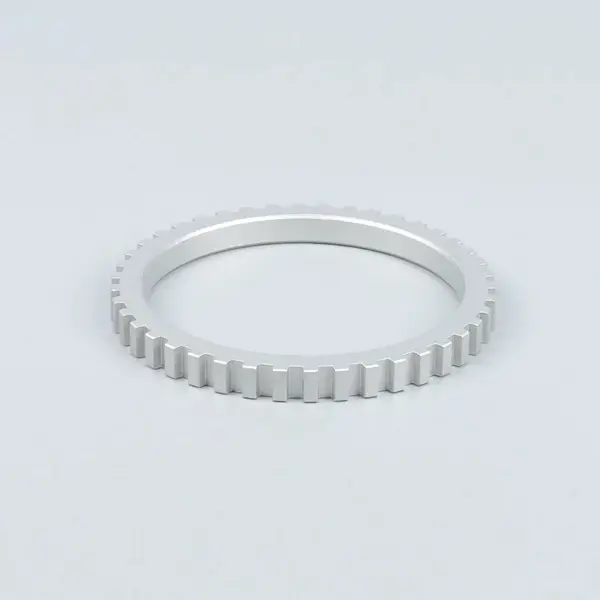
The ABS ring is typically mounted on the wheel hub or axle, depending on the vehicle's design. Its primary role is to work in tandem with the wheel speed sensor to detect changes in wheel rotation. As the wheel turns, the ABS ring's teeth or openings pass by the sensor, generating a magnetic signal. This signal is then sent to the ABS control system, enabling it to make split-second adjustments during braking.
The design of ABS rings varies across different vehicle types to meet specific performance requirements. The table below highlights two common designs:
| Design Type | Characteristics | Advantages | Disadvantages |
|---|---|---|---|
| Toothed | Raised, tooth-like protrusions; measures changes in magnetic flux | More resistant to contamination; robust shape | Can be heavier than windowed rings |
| Windowed | Precisely cut openings; detects presence/absence of material | Lighter; less wear on sensor contact points | More susceptible to signal degradation from contamination |
Toothed ABS rings are often preferred for their durability and resistance to debris, while windowed designs offer a lightweight alternative for vehicles prioritizing efficiency. Regardless of the design, the ABS ring plays an indispensable role in ensuring safe and effective braking.
How ABS Rings Improve Safety
Interaction with Wheel Speed Sensors
The abs ring plays a pivotal role in the interaction between the braking system and wheel speed sensors. It generates electrical pulses proportional to the rotational speed of the wheel. These pulses are detected by the wheel speed sensor, which transmits the data to the ABS control unit. This real-time information allows the system to monitor wheel behavior and respond to changes effectively.
- Key functions of the abs ring in relation to wheel speed sensors include:
- Generating electrical pulses that reflect wheel speed.
- Collaborating with sensors to prevent wheel lock-up during braking.
- Providing accurate signals essential for other safety systems like Electronic Stability Control (ESC) and Traction Control System (TCS).
This seamless interaction ensures the ABS system operates efficiently, enhancing vehicle safety under various driving conditions.
Prevention of Wheel Lock-Up
The abs ring prevents wheel lock-up by working in tandem with the ABS control unit. Mounted on rotating components of the wheel assembly, it interacts with sensors to generate electrical pulses that indicate wheel speed. The ABS control unit interprets this data to detect potential lock-up.
If lock-up is imminent, the system modulates brake pressure to maintain traction. This process ensures the wheels continue rotating, allowing the driver to retain steering control. By preventing lock-up, the abs ring minimizes stopping distances and enhances safety during hard braking, especially on wet or slippery surfaces.
Enhanced Braking Performance in Critical Situations
The abs ring significantly improves braking performance during emergencies. It enables the ABS system to regulate braking pressure at individual wheels, ensuring optimal traction and stability. This capability proves invaluable in critical situations, such as sudden stops or evasive maneuvers.
By maintaining wheel rotation and preventing skidding, the abs ring allows drivers to steer effectively while braking. This enhanced control reduces the likelihood of accidents, making it an indispensable component of modern vehicle safety systems.
Real-World Benefits of ABS Rings
Safer Emergency Stops
The abs ring plays a crucial role in ensuring safer emergency stops. By providing real-time data to the anti-lock braking system (ABS), it helps prevent wheel lock-up during sudden braking. This allows the driver to maintain control of the vehicle while reducing stopping distances. In high-pressure situations, such as avoiding a collision, the abs ring ensures the braking system responds effectively. This capability significantly enhances safety for both the driver and other road users.
Improved Control on Slippery Roads
Driving on slippery surfaces, such as wet or icy roads, poses significant challenges. The abs ring improves vehicle control by enabling the ABS to adjust braking pressure dynamically. This prevents skidding and ensures the wheels maintain traction. Drivers experience better stability and control, even in adverse weather conditions. The abs ring's ability to provide accurate wheel speed data is essential for maintaining safety on unpredictable road surfaces.
Better Handling During Sudden Turns
Sudden turns, especially at high speeds, can compromise a vehicle's stability. The abs ring enhances handling by working with the ABS to regulate braking pressure on individual wheels. This prevents oversteering or understeering, allowing the driver to navigate sharp turns more safely. By maintaining wheel rotation and traction, the abs ring ensures the vehicle remains stable during abrupt maneuvers. This feature proves invaluable in avoiding accidents during unexpected situations.
Maintaining Your ABS Rings
Signs of Wear or Damage
ABS rings, like any vehicle component, can experience wear and damage over time. Recognizing these signs early can prevent costly repairs and ensure optimal braking performance. Common indicators of ABS ring issues include:
- Gear discs developing cracks due to corrosion or ice expansion, often triggering the ABS warning light on the dashboard.
- Magnetic rings suffering from mechanical damage or demagnetization, which can lead to signal failure.
- Specific models experiencing disintegration or failure in magnetic sections, compromising the ABS system's functionality.
Drivers should inspect their ABS rings periodically, especially after driving in harsh conditions, to identify these issues promptly.
Tip: If the ABS warning light illuminates, it may indicate a damaged ABS ring. Seek professional assistance to diagnose and resolve the problem.
Risks of Neglecting Maintenance
Neglecting ABS ring maintenance can lead to severe consequences. A damaged ring disrupts the communication between the wheel speed sensor and the ABS control unit. This disruption compromises the system's ability to prevent wheel lock-up, increasing the risk of skidding during emergency braking. Additionally, unresolved issues may cause further damage to surrounding components, resulting in higher repair costs.
Ignoring maintenance not only jeopardizes vehicle safety but also reduces the lifespan of the ABS system. Regular inspections and timely replacements are essential to avoid these risks.
Tips for Ensuring Longevity
Proper care can extend the lifespan of ABS rings and maintain their performance. Follow these tips to ensure longevity:
- Clean the ABS rings regularly to remove dirt, debris, and corrosion.
- Avoid driving through deep water or icy conditions whenever possible, as these can accelerate wear.
- Schedule routine inspections with a trusted mechanic to detect and address potential issues early.
By adopting these practices, drivers can keep their ABS rings in excellent condition, ensuring reliable braking performance and enhanced safety on the road.
ABS rings are essential for modern vehicle safety, ensuring stability and control during braking. Drivers can maximize their effectiveness by adopting proactive habits:
- Regularly inspect ABS functionality to prevent unexpected failures.
- Follow preventative maintenance schedules to address potential issues early.
- Coach drivers to avoid risky behaviors like speeding, enhancing ABS performance.
By understanding the critical role of ABS rings, drivers can contribute to safer roads for everyone.
Frequently Asked Questions
What Is an ABS Ring?
An ABS ring is a circular metal ring that interacts with wheel speed sensors to monitor wheel rotational speed. This data allows the ABS control unit to adjust braking pressure and prevent wheel lock-up.
What is the difference between Toothed and Windowed ABS rings?
Toothed rings feature raised protrusions and offer greater resistance to contamination, making them robust. Windowed rings have precisely cut openings, making them lighter and causing less wear on sensor contacts.
What happens if an ABS ring fails?
A failed ABS ring disrupts wheel speed data transmission. This can trigger the ABS warning light and compromise braking performance, increasing the risk of accidents during emergency stops.
How often should ABS rings be inspected?
Inspect ABS rings during routine vehicle maintenance or every 12,000 miles. Regular checks help identify wear, corrosion, or damage, ensuring the anti-lock braking system functions effectively.
Can ABS rings be replaced individually?
Yes, ABS rings can be replaced individually. However, professional assistance ensures proper installation and compatibility with the vehicle's braking system. Always use high-quality replacement parts, like the ABS Sensor Ring from JIEHUANG, to maintain optimal braking performance and safety.
What are the main signs of a worn or damaged ABS ring?
Common indicators include an illuminated ABS dashboard light, visible cracks on gear discs from corrosion or ice, and signal loss due to mechanical damage or demagnetization of the ring.