
Featured Automotive & Industrial MIM Solutions
Explore our Tier-1 OEM validated component line, produced with high-density sintered alloys, micron-level tolerances, and optimized near-net shape geometry.

High Volume Custom Precision Metal MIM Parts
View Details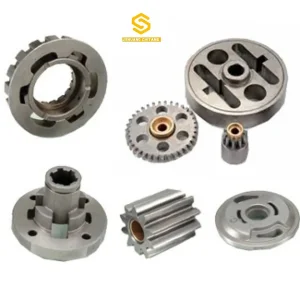
316L Stainless Steel MIM Structural Components
View Details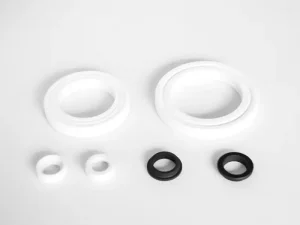
High Precision Wear-Resistant Ceramic Seals
View Details
OEM LED High-Precision Aluminum Die Casting
View Details
Custom Zamak 3 Zinc & Aluminum Alloy Die Castings
View Details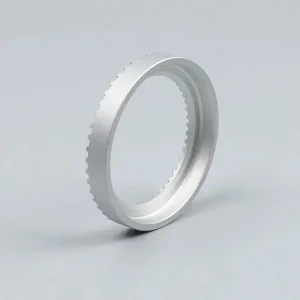
Automotive ABS Sensor Rings & Magnetic Hubs
View Details
Precision Sintered Porous Metal Filter Components
View Details
High-Strength Alloy Steel Powder Metallurgy Components
View DetailsExecutive Summary: The Technical Shift to Automotive MIM Technology
Modern automotive engineering demands micro-components with complex geometries, mechanical strength comparable to wrought steel, and ultra-competitive unit costs at scale.
The MIM Manufacturing Paradigm
Metal Injection Molding (MIM) seamlessly merges the design flexibility of plastic injection molding with the structural integrity of high-performance metals. By compounding ultrafine metal powders (typically 2 to 20 microns) with customized thermoplastic binder systems (such as Catamold catalytic systems or solvent-debound waxes), MIM enables the high-volume production of intricate automotive parts that were previously cost-prohibitive to manufacture via conventional multi-axis CNC machining or investment casting.
During high-temperature vacuum sintering (ranging from 1250°C to 1380°C depending on alloy composition), the component densifies to 96% to 99% of theoretical density. This delivers isotropic physical properties, superior fatigue endurance, and exceptional magnetic performance essential for modern powertrain and chassis environments.
Comparative Metallurgical Performance Matrix
How MIM-processed automotive components compare against traditional manufacturing routes in structural mechanical property benchmarks:
| Property / Process | MIM (17-4PH) | CNC Machined Wrought | Investment Cast |
|---|---|---|---|
| Theoretical Density | 97.5% – 99.2% | 100% | 95.0% – 98.0% |
| Tensile Strength (MPa) | 1,180 - 1,250 | 1,200 | 1,050 |
| Yield Strength (MPa) | 1,090 - 1,150 | 1,100 | 950 |
| Material Utilization Rate | > 95% (Near-Net) | 15% – 40% | 60% – 75% |
Traditional subtractive machining of high-alloy automotive parts yields severe tool wear and up to 80% raw material waste. MIM reduces material waste below 5%, cuts production energy consumption by up to 45%, and eliminates multi-step secondary machining setups, delivering a unit cost reduction of 30% to 50% for annual production runs exceeding 10,000 units.
Macro Automotive Solutions: Subsystem Integration
From internal combustion engine optimization to novel Electric Vehicle (EV) drive units and autonomous sensor housings, MIM components power crucial automotive subsystems.
Powertrain & VVT Systems
Variable Valve Timing (VVT) rotors, vanes, and turbocharger wastegate actuation levers require extreme thermal endurance and wear resistance. MIM processing with FN-0205 low-alloy steels or heat-treated 17-4PH stainless steel provides high dimensional stability up to 850°C, ensuring reliable engine performance under extreme cyclic stress.
Transmission & Gear Shift Systems
High-torque shift forks, synchronizer keys, complex micro-gears, and planetary gear carriers benefit from MIM's high tooth-profile accuracy. By sintering near-net shape gears directly to ISO Class 8 or better standards, secondary gear hobbing or grinding steps are eliminated, reducing manufacturing cycle times.
Safety, Braking & ABS Modules
Anti-lock Braking System (ABS) magnetic sensor rings, seatbelt latch mechanisms, and steering lock components demand zero failure rates. MIM production ensures uniform density and defect-free microstructures, meeting stringent ISO 26262 functional safety and automotive crash-test criteria.
Electric Vehicle (EV) Architecture
EV traction motors, high-voltage battery busbar connectors, and thermal management fluid valve housings require non-magnetic stainless steels (316L) or copper-alloy MIM formulations. These parts offer high electrical conductivity, excellent fluid sealing, and immunity to electromagnetic interference (EMI).
ADAS & Sensor Housings
Advanced Driver Assistance Systems (ADAS) rely on camera bracket mounts, LiDAR optical positioning frames, and radar sensor housings. MIM enables complex structural features with wall thicknesses down to 0.4mm, providing sturdy protection for sensitive electronics without adding excess vehicle weight.
Exhaust & Emission Control
EGR (Exhaust Gas Recirculation) valve components, oxygen sensor bosses, and fluid injection nozzles operate in highly corrosive and high-temperature environments. Standard 310S or custom Ni-base superalloy MIM materials prevent high-temperature oxidation and chemical degradation.
China Industry 4.0: Supply Chain Resilience & Efficiency
Leveraging Ningbo's world-class metallurgy manufacturing cluster, automated debinding-sintering infrastructure, and closed-loop digital quality control.
The Ningbo Powder Metallurgy Ecosystem Advantage
Ningbo stands as the global epicenter for precision powder metallurgy and tooling execution. Our integrated production center harnesses this industrial cluster to deliver rapid tooling modification, raw material synthesis, and specialized heat treatment—all within a 30-minute supply chain radius.
- Automated Continuous Sintering Furnaces: Equipped with multi-zone temperature control ±1°C and high-vacuum debinding systems to guarantee consistent batch-to-batch density and microstructural homogeneity.
- In-House Tooling Design & Fabrication: Utilizing Swiss EDM wire-cutting and high-speed CNC centers to construct multi-cavity injection molds in as few as 21 business days.
- MES-Driven Traceability: Every batch of feedstock is tracked via real-time Manufacturing Execution Systems (MES), logging sintering parameters, furnace gas purities, and dimensional inspection matrices.
Automated Manufacturing Process Flow
Future Outlook: Next-Generation MIM Innovations
Staying ahead of global automotive demands requires continuous R&D into advanced materials, micro-scale molding, and hybrid additive processes.
Titanium MIM (TiMIM) Expansion
Driven by vehicle lightweighting imperatives and high strength-to-weight ratio demands, Ti-6Al-4V MIM process development is accelerating. TiMIM offers a 45% weight reduction compared to structural steel components while maintaining superior corrosion resistance for exposed sensors and chassis actuators.
Micro-MIM for Autonomous Sensors
As automotive electronics shrink, component weights drop below 0.05 grams. Micro-MIM utilizes sub-micron powders and specialized micro-injection nozzles to form delicate gear sets, micro-switches, and fiber-optic housing subassemblies with pitch tolerances under 15 microns.
Green MIM & Low-Carbon Sintering
To meet European Scope 3 decarbonization mandates, advanced sintering technology is shifting toward green hydrogen atmosphere furnaces and bio-based water-soluble binder systems, reducing carbon emissions by over 60% compared to traditional fossil-gas debinding processes.
Global Procurement & Strict Risk Mitigation
Navigating Tier-1 supplier audits, zero-defect quality thresholds (PPM < 10), and international trade compliance.
Tier-1 Automotive Compliance Standards
Automotive procurement teams require uncompromised quality assurance protocols. Our manufacturing facilities strictly operate under certified quality management systems:
- IATF 16949:2016 Certification: Complete APQP, FMEA, MSA, and SPC process controls for automotive component manufacturing.
- PPAP Level III Submissions: Comprehensive Production Part Approval Process packages, including Full Dimensional Reports, Material Certifications, and Process Flow Diagrams.
- VDA 6.3 Audit Compliance: Regular internal and third-party process audits aligned with German automotive industry standards.
- Environmental Standards: Full compliance with RoHS, REACH, and IMDS (International Material Data System) registration for seamless global vehicle integration.
Intellectual Property & Commercial Assurance
We prioritize customer intellectual property protection and commercial risk mitigation for long-term supply agreements:
- Strict Non-Disclosure Agreements (NDA): Legally binding NDA executed prior to receiving any 3D STEP CAD drawings or project blueprints.
- Dual-Sourcing Safety Stock: Strategic warehousing programs near major shipping hubs (Ningbo / Shanghai Port) with buffer stock to absorb global supply chain volatility.
- Transparent Tooling Ownership: Molds and custom tooling are customer property, stored in climate-controlled die vaults with free lifetime tool maintenance.
Precision Metal Components & Assemblies
Browse additional customized powder metallurgy, die casting, and micro-MIM components available for OEM wholesale supply.
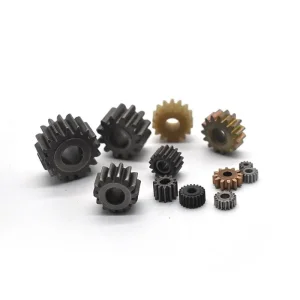
High-Precision Powder Metallurgy Micro Gears
View Details
Micro Precision Stainless Steel MIM Auto Truck Parts
View Details
Hardware Lock Core Sintered Component Gears
View Details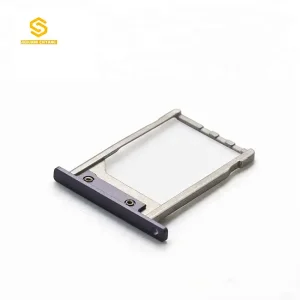
Thin-Wall Micro SIM Slot Metal Injection Molding
View Details
Stainless Steel MIM Electronics & Headset Parts
View Details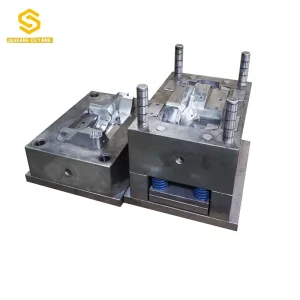
Precision CNC Machining & Die Casting Molds
View Details
Complex Structural MIM Machinery Components
View Details
Aluminum Pressure Die Casting Gear Box Housings
View DetailsFrequently Asked Technical Questions (FAQ)
Direct answers from our senior powder metallurgy engineers regarding material selection, design guidelines, and procurement lead times.
- Precipitation Hardening Stainless Steels: 17-4PH, 15-5PH (High Strength & Wear Resistance)
- Austenitic & Martensitic Stainless: 316L, 304L, 420, 440C (Corrosion & Thermal Endurance)
- Low-Alloy Steels: FN-0205, 4140, 8620 (Heat-treatable for high gear torque)
- Soft Magnetic Alloys: Fe-Si, Fe-Ni (E-motor cores, solenoid valves)
- Lightweight Titanium Alloys: Ti-6Al-4V (Aerospace & High-End Automotive)
- Design for Manufacturability (DFM) Review: 24 to 48 Hours
- Rapid Metal 3D Printed Prototypes: 3 to 5 Business Days
- Injection Tooling Fabrication & First Article Samples (FAI): 25 to 35 Days
- Serial Mass Production: 3 to 4 Weeks following PPAP Level 3 approval